
 For Jesuits and those who are working in interreligious contexts, it has been important to reflect on what Christian mission means when most of one’s waking hours are spent in the concrete work of dialogue with other religious traditions. This was the focus of the members of the Jesuit Conference of Asia Pacific (JCAP) Buddhist Studies and Dialogue group at their annual meeting held online on 11 to 12 August.
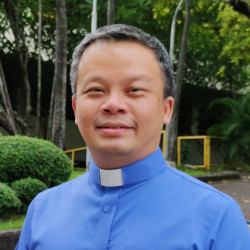
Fr Antoine Ren SJ of the Chinese Province, while not a specialist in Buddhism, shared his insight on mission, not only ad and inter gentes (to and among peoples) but also per gentes (with others). With humility, Christian missionaries in non-Christian contexts know instinctively that mission cannot be understood in limited terms from a missionary’s own perspective. We need to allow the Other to evangelise us as well. Fr Ren, who is finishing his doctoral studies in Belgium, illustrated his point by sharing his knowledge of a popular work, especially among Church communities in China, by a Chinese ex-Jesuit that integrates Chinese Yin-Yang, Taiji spirituality, with Christian doctrines and Western psychology. The session reminded all present that our work among and with Buddhists is one that transforms us as well.
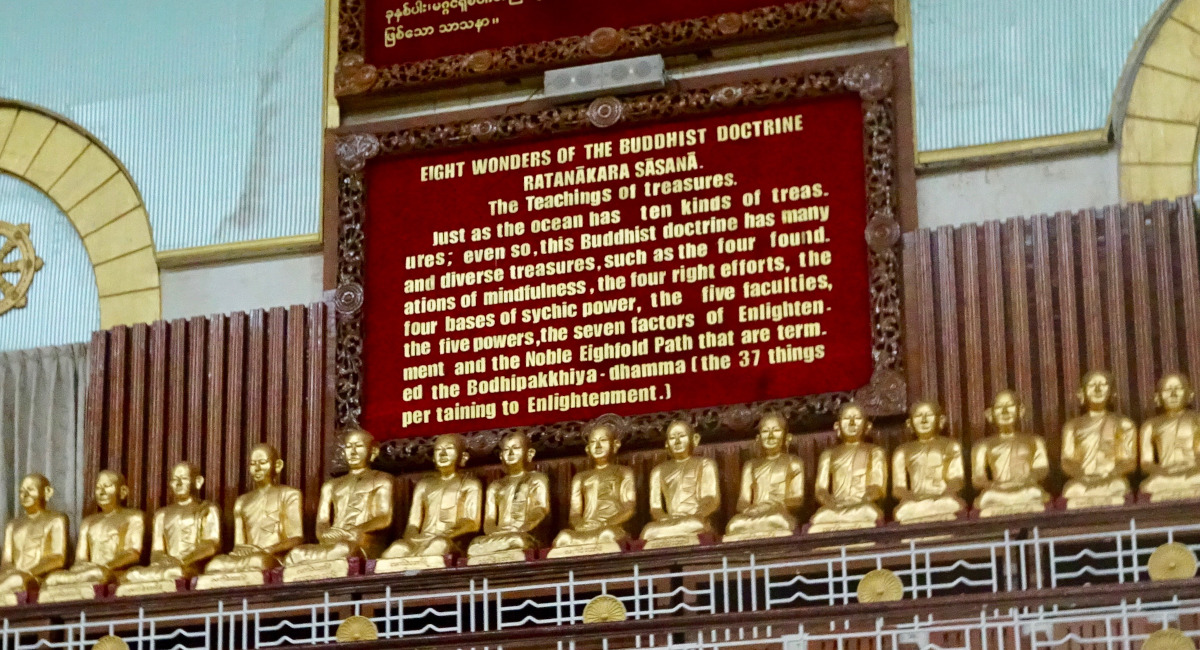
In the spirit of being transformed by our engagement with Buddhism, our own members Lawrence Soosai and Bernard Senecal shared particular aspects of this transformation. Lawrence shared a presentation on the Noble Eightfold Path of Buddhism as criteria for decision-making and discernment, while Bernard presented a published paper on his personal journey from an aspiring medical physician to Sogang University professor of Buddhist Studies, to the founder of an innovative farming community in Korea during his senior years.
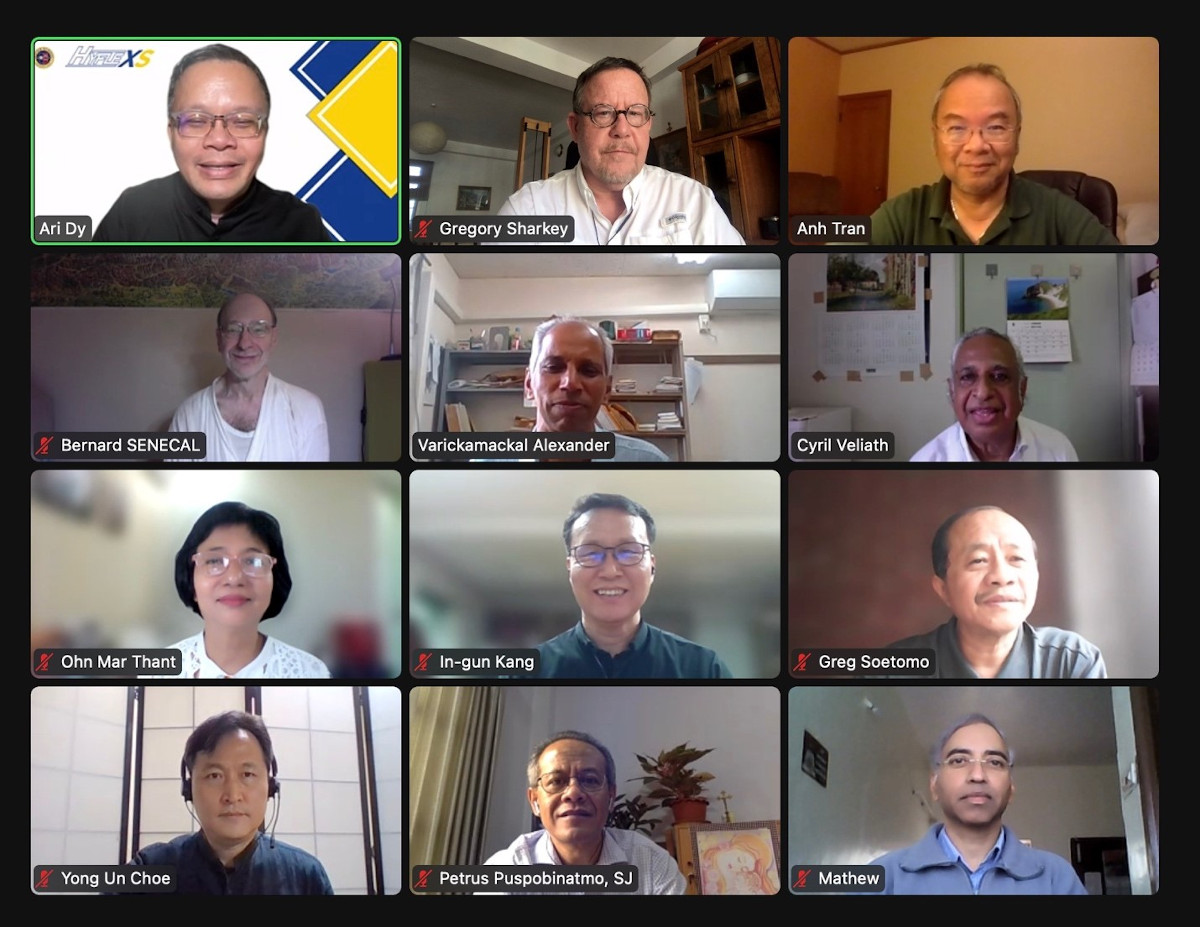 As the new Coordinator of the JCAP Buddhist Studies and Dialogue group, it was a distinct privilege for me to organise the group’s annual meeting together with my core team members, Kang In-gun and Petrus Puspobinatmo. For the third year in a row, we met virtually owing to pandemic travel restrictions for our small but internationally diverse membership.
Over four sessions in two days, 14 members participated in one, two, or all of the sessions. The participants this year, most of whom have been faithfully attending the meeting over the last several years, came from Japan, South Korea, Singapore, India, Myanmar, Nepal, Indonesia, Thailand, the Philippines, and the United States. Fathers Tony Moreno SJ and Greg Soetomo SJ from the JCAP leadership also attended one session each. The group was specially appreciative that two non-Jesuits that we engaged in past meetings, Buddhist laywoman Ohn Mar Thant and Pastor Yong Un Choe, have continued attending our meetings.
Aside from the three presentations mentioned above, the group also spent time allowing each one to share about their present context and work, and ideas about our future meetings. While there was a great desire to meet in person once again and spend time on cultivating personal bonds for mutual support, this desire is balanced with the insight that it is also important to contribute to “caring for our own common home” by reducing our carbon footprint. Alternating in-person and online meetings was proposed, and when meetings are in-person, to periodically return to the roots of Buddhism in places like Bodh Gaya and Lumbini. Though time was limited, the 2022 annual meeting was very enriching and allowed the participants to be enriched and transformed by the sharing of others.