

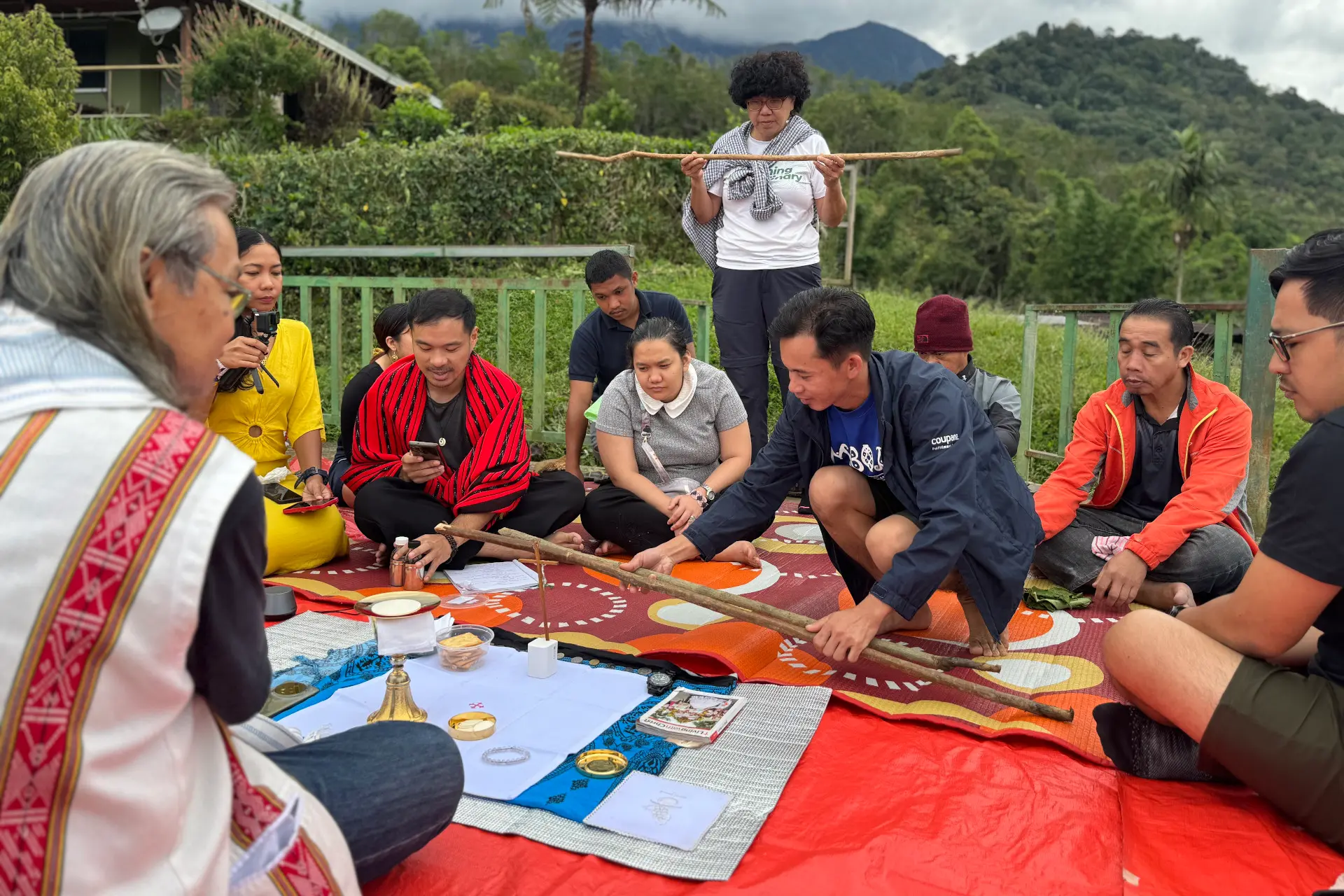
The 2025 Asia Pacific Contextual Theology for Engagement Program (ACOTEP) gathered 11 individuals from diverse backgrounds for a sacred encounter of faith and culture and a dialogue of Indigenous wisdom with Catholic dogma and theology, including confrontations between long-held beliefs and mysticism.
ACOTEP is an eight-day cultural immersion held this year in Kota Kinabalu, Sabah, Malaysia, from 25 May to 1 June. Participants had the opportunity to see their faith and the world with new eyes, standing humbly before the infiniteness of a God who cannot be confined. It is an experience that, though unsettling, can be transformative for those who keep an open mind and are willing to be disturbed.
The programme began at St Michael’s Parish, Penampang, with a Eucharistic celebration in the Kadazan-Dusun language. The parish’s small museum recounts the local church’s journey of dialogue and integration with indigenous cultures. A significant part of the museum is dedicated to the Babalians or Bobohizans: gifted persons (usually women) who have the ability to communicate with the spirit world of the Kadazan-Dusun tribe. They are key figures consulted for major community decisions and lead rituals. They also serve as keepers of the tribe’s culture and history, preserved through oral tradition. The church’s deliberate documentation of this history reflects an understanding that the Gospel can only grow new roots in places where people have already encountered the holy.
 The group also visited PACOS Trust, a local NGO working alongside Indigenous Peoples (IP) communities. Conversations with Claudia Lasimbang, PACOS Director, surfaced parallels with the struggles of IPs in the Philippines—the fight to preserve cultural identity, the pain of land disputes, the daily realities of economic marginalisation, and environmental degradation. Despite these challenges, the steady development and empowerment of communities generate continuing hope in the good work of PACOS Trust.
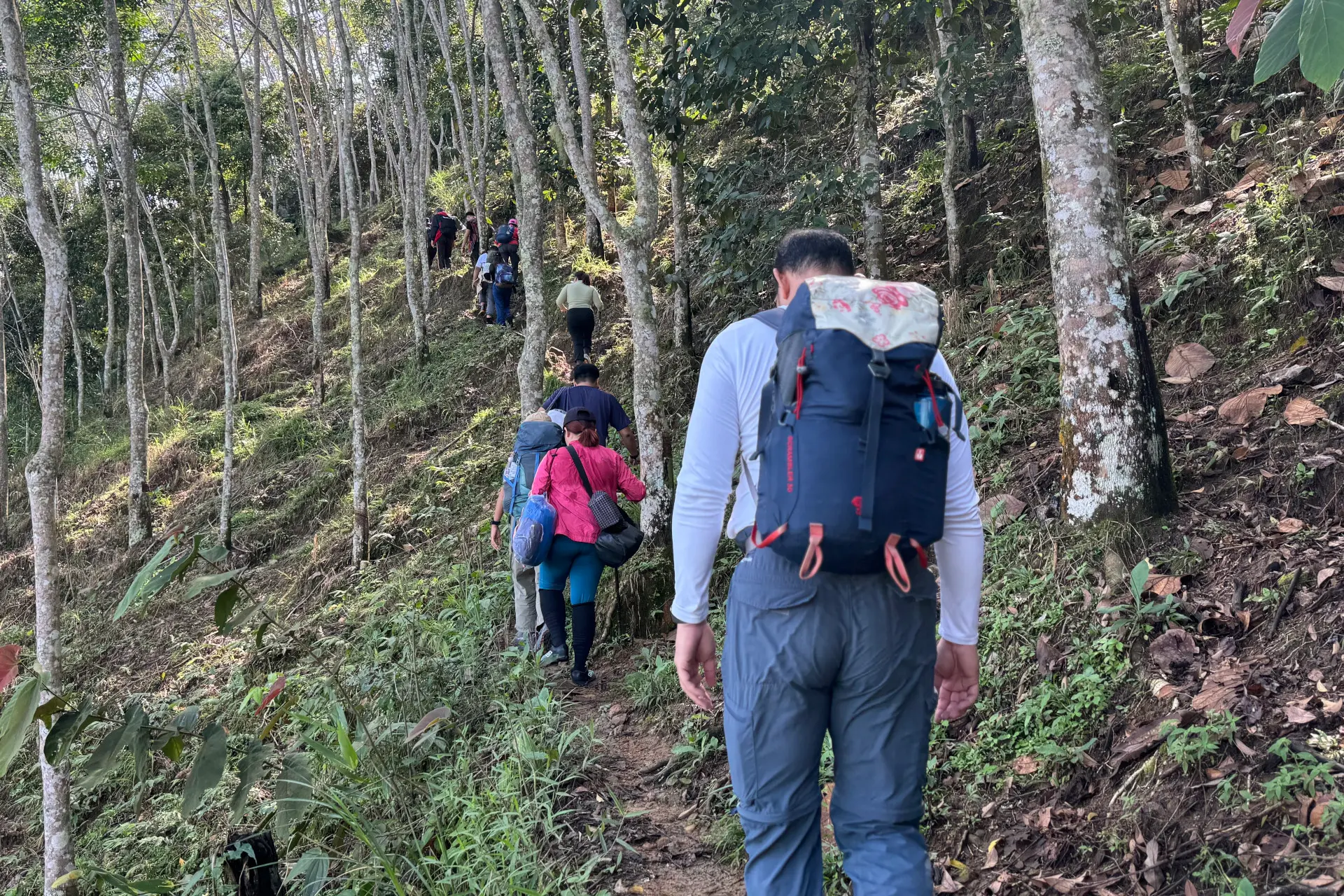
A one-night forest immersion and stay at Nunuk Camp in Kampung Kiau Nulu, a village at the foot of Mt Kinabalu, invited participants into a more embodied encounter with creation and Indigenous spirituality. The long hike to Nunuk Camp through the forests of Mt Kinabalu were peppered with visits to homes of locals who live and farm in harmony with the sacred mountain. The group learnt about “aki,” guardian spirits of trees, rocks and boulders, rivers, and all living creatures that make up the living fabric of the forest, and was reminded to be conscious of the Spirit that lived in all of Creation.
At night, the group gathered around a campfire for a conversation with Amai Lanting and Sintiah on Boros Puro (the language of the forest), and the people’s relationship with Mt Kinabalu’s guardian spirits. In this intimate setting at the heart of the forest, knowledge and mysticism nurtured and passed on over the centuries through indigenous rituals, stories, and traditions were shared. Alhough their beliefs are marginalised, they offer profound wisdom on reverence for all things. In contrast to dominant exploitative and utilitarian views of nature, their spirituality respects the connectedness of life and the Spirit and demonstrates what it truly means to build healthy and nurturing relationships with all of Creation.
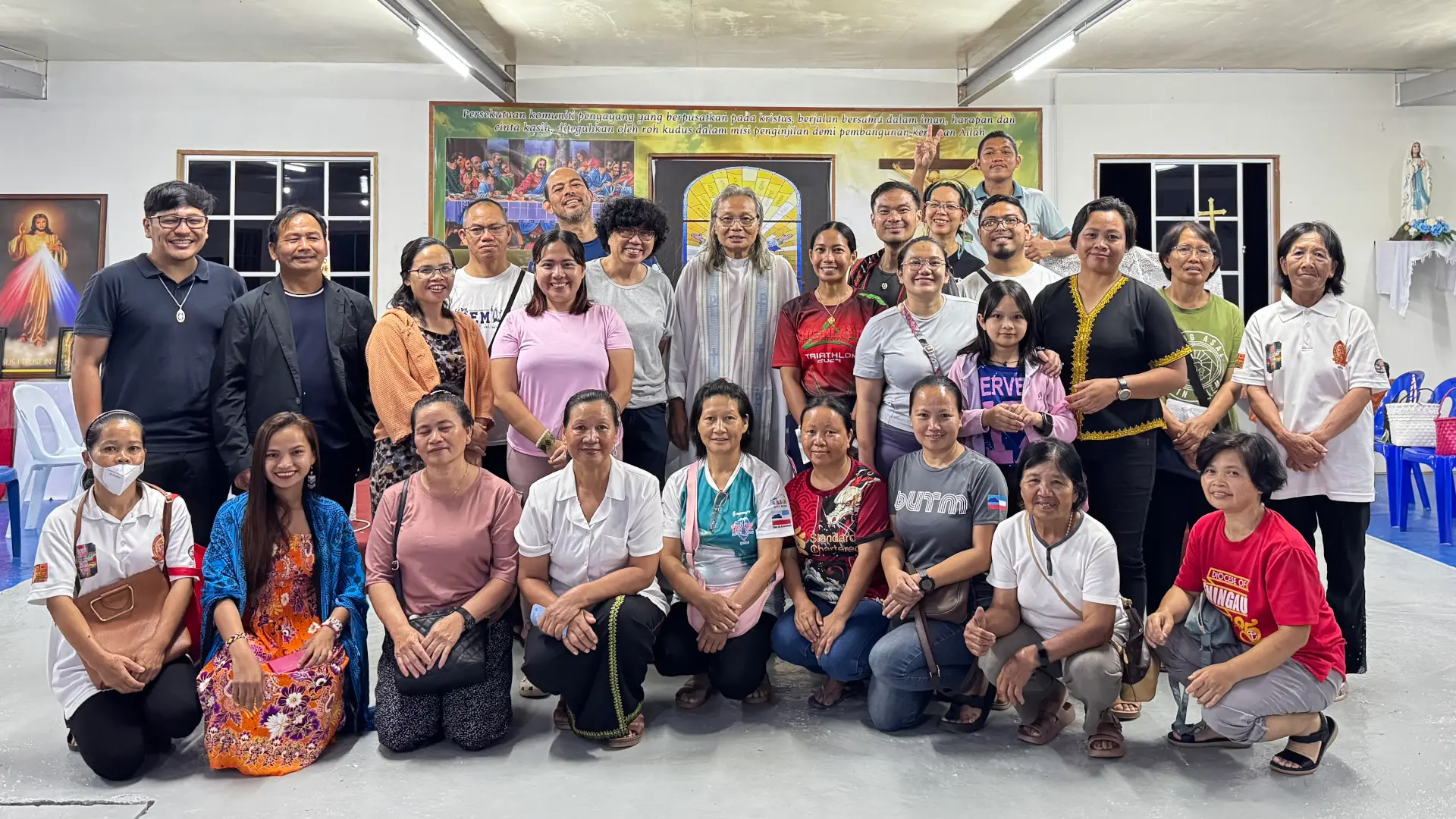 The group returned to Walai Mitapos in Gompito, Kampung Kiau Nulu, our home and centre for dialogue and reflection on the Catholic faith and Indigenous culture and spirituality. The following days were packed with presentations, group works, and discussions. Fr Jojo Fung SJ led critical social analyses of the IPs of Sabah, Fr Bros Flores SJ offered theological reflections on dialogue and enculturation, and Fr Gabriel Lamug-Nañawa SJ shared stories of ecological movements, specifically Buddhist ecological activism, and his own conservation work in Cambodia. Angelica Sulmin spoke on Kadazan-Dusun cosmology and ecology, while Anne Lasimbang discussed traditional Kadazan-Dusun marriage traditions. Not only was the group invited to reflect on the inputs, we also engaged in practical exercises on enculturation.
Daily Masses, some celebrated with the local community in their parish, and spiritual conversations deepened personal and communal reflection, providing space to articulate insights, tensions, and desired graces.
ACOTEP culminated with a social night featuring a sumptuous meal prepared by the community and cultural performances from the youth. The group also hosted interactive Filipino games, eliciting laughter and joy. The final Holy Eucharist with the community ended in joyful singing and dancing.
ACOTEP gave us not only beautiful memories to cherish, but also a renewed perspective on theology, ecology, and Indigenous culture.
Watch highlights of ACOTEP:


