

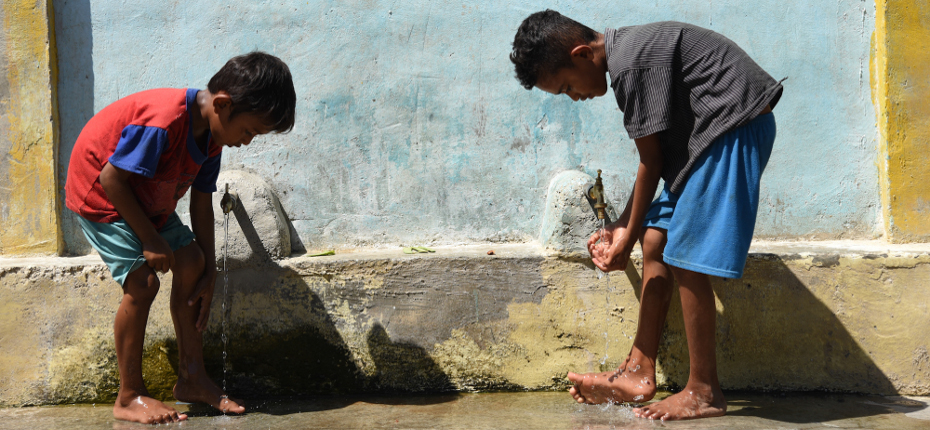
 In the two years since it was set up, Jesuit Social Service (JSS) in Timor-Leste has embarked on several projects to promote community development and empower the poor to become self-sufficient. Water and sanitation is one of four priority areas and a key project aims to provide communities with access to clean water.
JSS has built wells in five aldeias (villages) in and around Dili. These areas face serious water shortages during the dry season that runs from April to November, and JSS is currently assisting 235 households in Hera 7 kilometres east of Dili and Kasait about 13 kilometres west from Dili.
“The clean water project began when we found out that in Hera many school-aged children were pushing carts packed with water containers for the long trip back to their homes,” said Fr Erik John Gerilla SJ, Executive Director of JSS Timor-Leste. With JSS’ intervention, people in these villages can focus on their farms without worrying about water and the children no longer have to walk hours to fetch water and now have free time in the afternoon for some recreation.
Fr Gerilla said they found it challenging to change the mind set and practice of the communities.
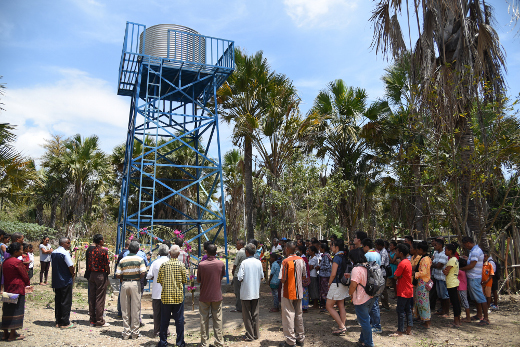 “In the beginning, it was hard to convince people to work and harness common resources as a community because they were used to working in households, families and clans,” he said, adding that from their experience in the communities, organising them is the most difficult step in the process. According to him it takes a while to convince the community that this common good they are going to work for is bound to take off if they commit to it with utmost cooperation. Since they have been used to working within their closely-knit families, collaborating with other families for a communitarian project is a big leap for them.
JSS felt that its apostolic action should not be limited to drilling for water and installing electric pumps for distribution to smaller water tanks. So, in addition to providing technical expertise such as hydrological analysis and engineering work, JSS engaged in community rituals and other cultural practices before they started drilling water holes.
“Equally important are the ‘soft technologies’ to build community capacities,” shared Fr Gerilla. These include teaching the villagers ways to conserve water and improve ecosystem services for water regulation. To this end, JSS plants as many trees as it can, but the team quickly realised that the challenges go beyond planting trees. At first they worked just with students, but they later learned they also had to engage the local people in managing the land so that the trees could grow.
 “As there are lots of goats and cows around, we had to make the families understand that they have to keep their livestock in pens,” said Fr Gerilla. “This was difficult because they are used to raising free range animals.”
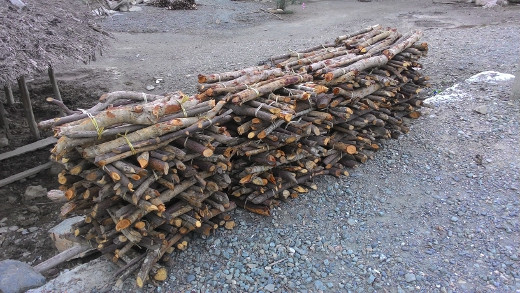
The other challenge, especially in Ulmera where the Jesuit education project is located, is that the area is a major supplier of firewood. Firewood is a lucrative industry and JSS is urging Ulmera residents not to target to supply the whole of Dili because trees are needed to protect their water source. It also mobilised multi-sectoral dialogues on alternatives to mitigate the impact of consuming wood for fuel.
“Showing videos of the destructive impact of typhoon Haiyan is a way of shifting behaviour towards tree planting and looking for alternatives to cutting trees for fuel,” said Fr Gerilla.
Perhaps one of the visible signs of positive impact from the JSS water project is that families have started to venture into backyard farming to help augment their food supply. Fr Gerilla said that although this may seem insignificant, it is noteworthy because it shows that families are starting to become self-sufficient.


