

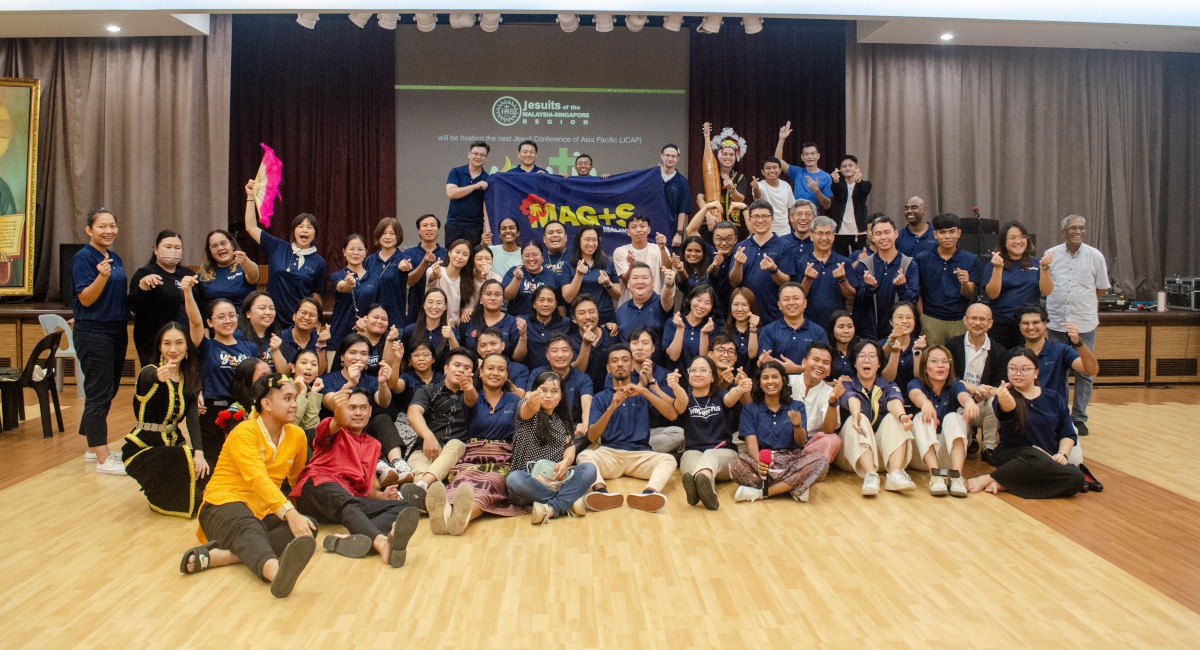
 Malaysia-Singapore Region hosted the Jesuit Conference of Asia Pacific (JCAP) Youth Ministers meeting from 4 to 7 November at the Archdiocesan Pastoral Centre (APC) in Kuala Lumpur. Delegates attended from South Korea, Japan, the Chinese Province, the Philippines, Cambodia, Thailand, Myanmar, Singapore, Indonesia, Timor-Leste, Australia, Pakistan, and Malaysia. The meeting officially opened with a Mass, presided over by Fr Jerome Leon SJ from Singapore, followed by dinner. The delegates were then given free time to get to know each other in preparation for the discussions and activities ahead.
On the second day, each country representative provided updates on their progress since the last Asia Pacific Youth Ministers’ meeting. Many shared successful initiatives promoting skills development, leadership, and social engagement. It is worth noting that a significant number of countries have MAGIS-trained youth who have helped integrate MAGIS elements into youth activities, even in places where a formal MAGIS team has yet to be established.
Representatives also highlighted challenges in running MAGIS programmes, primarily due to limited resources, lack of local support, and scheduling conflicts. Many regions struggle to engage young people consistently, as school and work commitments make regular participation difficult. A shortage of trained leaders and volunteers further complicates efforts, particularly in places like Thailand, Cambodia, and Macau, where organised youth programmes are still developing.
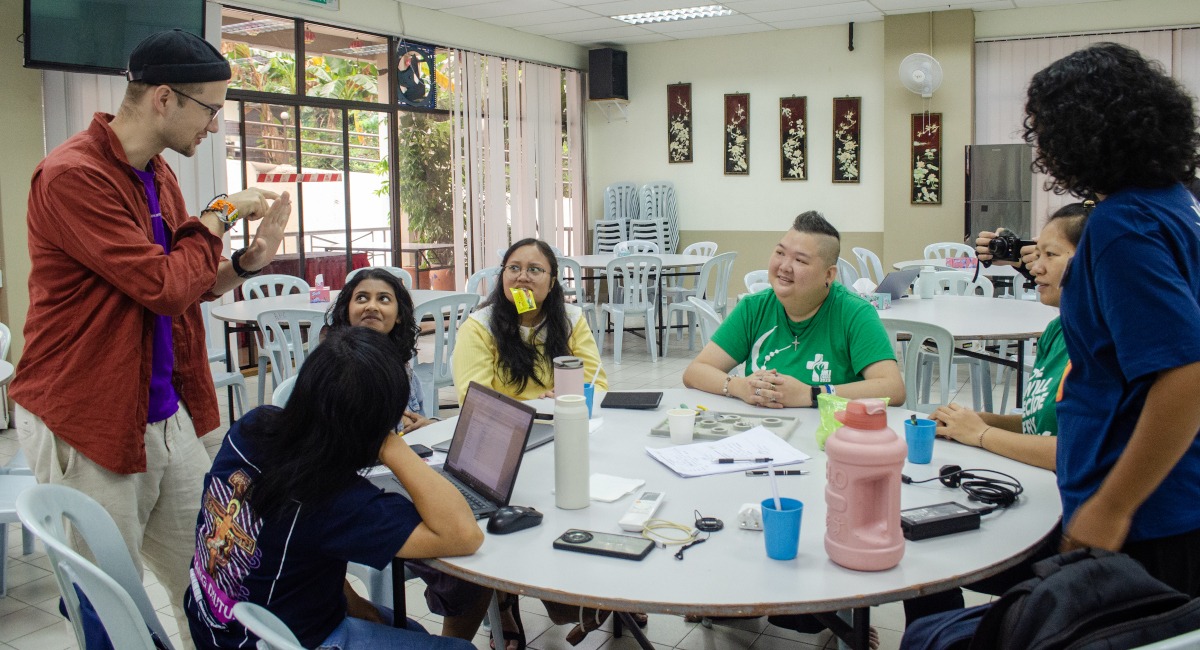 Political issues in some regions also hinder young people’s involvement, as they face safety risks and fewer opportunities for faith-based activities. Cultural factors, such as the rise of social media and secular lifestyles, contribute to feelings of isolation. Despite these challenges, each country remains committed to creating welcoming spaces for young people to grow in faith, develop resilience, and engage in social justice, supporting one another’s work along the way. One key takeaway is that all participants are eager to collaborate on activities with other countries, learning from one another’s experiences.
The third day focused on the Pope’s Worldwide Prayer Network (PWPN), a Pontifical Society established in 1844 to mobilise Catholics worldwide in prayer and action, particularly on issues of social and Church importance. Fr Alberto Irenus SJ, Coordinator for Asia Pacific, provided a historical overview of PWPN, explaining that it encompasses both traditional prayer practices and digital platforms, such as “Click To Pray” and “The Pope Video,” which connect Catholics globally with the Pope’s monthly prayer intentions. These platforms foster a sense of community and encourage shared prayer, making it more accessible and impactful in the modern age.
Fr Jun Viray SJ attended the gathering for the first time since becoming JCAP President this year. Fr Viray presented the broader mission of JCAP, overseeing Jesuit work across 16 nations in the Asia Pacific region. JCAP coordinates social ministries, education, and pastoral activities with a strong emphasis on local-global collaboration. He highlighted JCAP’s 2021-2025 Apostolic Plan, which focuses on integrating Ignatian spirituality, ecological conversion, and intercultural understanding. Key themes include fostering youth collaboration, promoting social justice, and building partnerships across faiths and cultures. Participants shared insights on the importance of dreaming together for the apostolic mission, particularly in the face of modern-day challenges, such as globalisation and the impact of social media on youth perceptions, especially regarding Gen-Z, and the depth of their faith.
 The final day of the meeting was an exciting one as Taiwan, host for next year’s MAGIS Asia Pacific gathering, and Korea, host of MAGIS World Youth Day, shared updates. Taiwan proposed the theme “Pilgrims of Hope,” drawing from their own MAGIS journey, which includes early development, tailored adaptations for local youth, and ongoing improvements. The programme includes pilgrimages that connect participants with local culture and ecology and concludes with a cultural night and Mass celebration. Participants expressed hope that MAGIS Asia Pacific will provide youth with faith-sharing opportunities across various countries, but they also acknowledged challenges, such as insufficient manpower.
Korea provided updates on the planning for MAGIS World Youth Day to be held in Seoul in 2027 in conjunction with World Youth Day. In particular, Korea addressed the challenges of organising this global event, including language barriers, cultural differences, and the logistical demands of hosting a large-scale event in a megacity. They also explored the possibility of JCAP collaborating in organising the World Youth Day event. The closing sessions reviewed JCAP’s vision and discussed how it can continue to inspire young people amid rapid globalisation and the challenges of maintaining spiritual depth.
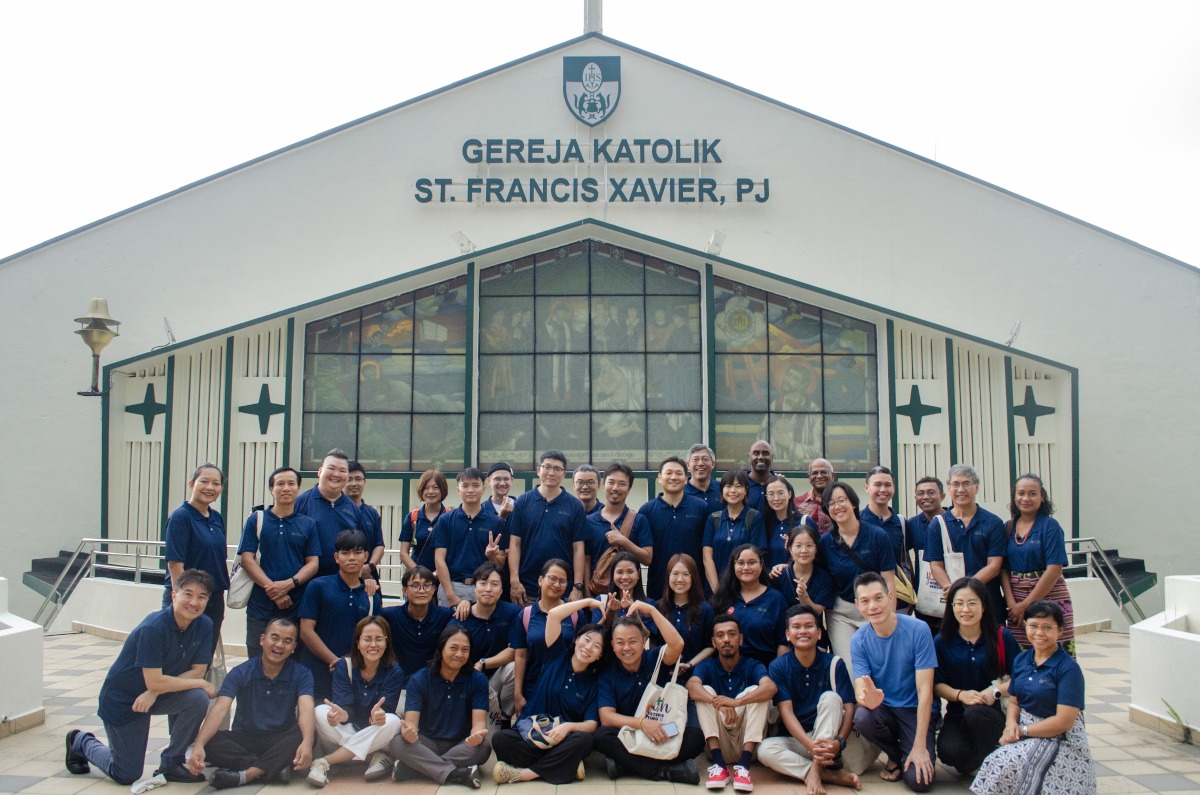
The delegates then adjourned to the Catholic Church of St Francis Xavier (SFX) in Petaling Jaya, where they were given a tour of the church before celebrating the closing Mass, which was animated by the youth of the parish. This was followed by a fellowship gathering, where young people from various youth ministries at SFX participated, taking the opportunity to mingle and connect with the delegates.