

 The Instituto São João de Brito (ISJB) originates from the long educational tradition of the Society of Jesus in Timor-Leste. Since the foundation of the Jesuit mission in Soibada in 1899, the Jesuits have consistently served the Timorese people through education and pastoral activities.
Besides carrying out pastoral work in rural parishes such as Railaco and Suai, the Jesuits also continued their educational mission by administering the Colégio de São José (CSJ) for about 20 years on behalf of the Diocese of Dili. The mission entrusted by the Bishop of Dili was to educate and form young Timorese men and women to become leaders of the Church and society based on Gospel values.
In 2011, when the Diocese of Dili decided to resume the administration of the Colégio de São José, the Society of Jesus began a new independent educational project aimed at providing meaningful and high-quality education.
In order to contribute to the National Educational Strategic Plan 2011–2030, the Jesuits recognised that teacher training was a fundamental need at this stage of the history of Timor-Leste. Therefore, two educational institutions were established: the Colégio Santo Inácio de Loiola (CSIL) for secondary-level education and the Instituto São João de Brito (ISJB), which offers training in teaching leading to a bachelor’s degree.
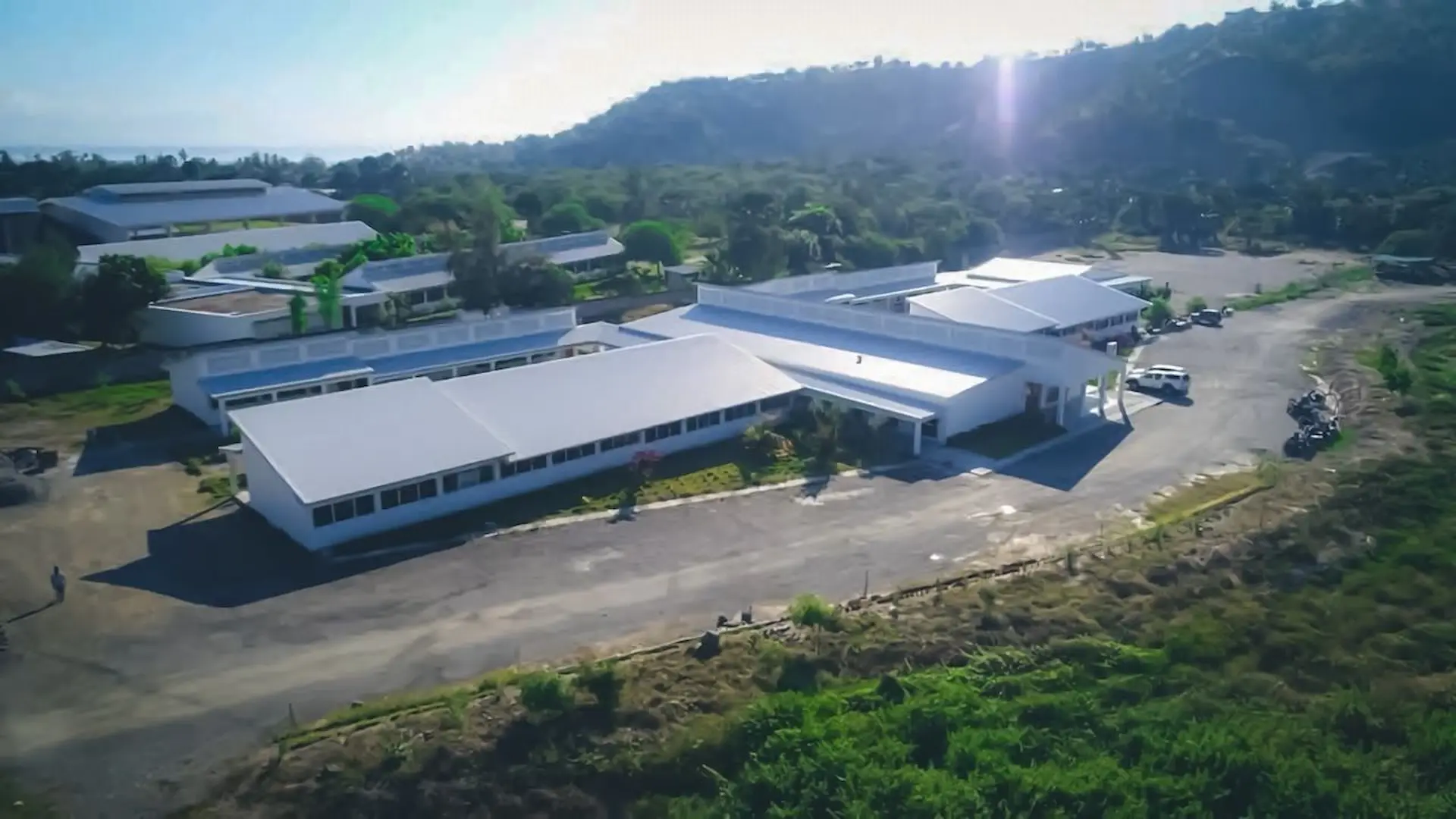 In its early years, when ISJB began its mission of teacher formation, most of the students conducted their teaching practicum at CSIL, observing classroom practices, developing their pedagogical skills, and gaining initial experience in teaching under proper guidance and supervision.
As time passed, the number of students enrolled at ISJB steadily increased, reflecting the growing need for qualified teachers in Timor-Leste. With this development, the practicum programme also expanded. Now on its 10th year, ISJB has established collaborations with many different schools across the country, allowing its students to carry out their teaching practicum in various educational settings.
This wider collaboration enables future teachers to experience diverse school environments, serve different communities, and apply the values of Jesuit education in a broader context. In this way, ISJB continues its commitment to forming competent, reflective, and socially responsible educators who are prepared to contribute meaningfully to the development of education and society in Timor-Leste.
In 2022, ISJB reached an important milestone. Thanks to the dedication, perseverance, and collective effort of its leadership, lecturers, staff, and students, the institute was officially granted Institutional Accreditation “A” by the Agência Nacional de Avaliação e Acreditação Académica (ANAAA) based on the strength of its academic quality, institutional governance, and educational services.
Building on this accomplishment, ISJB has now begun the process of securing accreditation for each of its individual study programmes. This ongoing effort reflects the institution’s determination to continuously improve academic standards and to ensure that all programmes meet the national requirements for higher education quality.

A Portuguese class at ISJB with guests from the Jesuit Conference of Asia Pacific Migrants and Refugees Network
Despite its many accomplishments, ISJB still faces a number of challenges. As its reputation continues to grow, so does its enrolment. While this is a positive development, it also means more facilities are needed to accommodate higher demand, and while there is a master plan, the financial resources are simply not available yet to implement it.
A larger number of students also calls for a larger number of teachers and staff and greater human resources to provide appropriate formation to face growing demands and needs.
Finally, most ISJB students come from rural areas, where the primary livelihood is subsistence agriculture. Many students face financial difficulties, having to allocate their family’s limited resources to both tuition fees and living expenses. This underscores the need for financial support from individuals or groups who are willing to invest in the potential of our young people to do great things.
Despite these challenges, ISJB remains hopeful and committed to contributing meaningfully to the advancement of education and the formation of future educators in Timor-Leste.
If you would like to learn more about ISJB or how you can contribute to its mission, please contact Fr Luis Pereira, Vice-Rector for Academic Affairs, at [email protected]


