

 The Jesuits in the Philippines have committed to making their various houses environmentally friendly as part of reconciling with creation. They have begun by setting up waste management activities in their houses. This is a simple yet practical step that contributes to the broader initaitive of living a simple lifestyle.
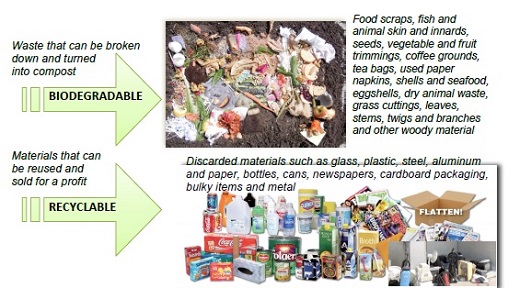
At the Loyola House of Studies (LHS), steel cages have been installed at the back of the kitchen to facilitate proper segregation of waste. With the help and support of kitchen employees and scholastics, plastic and glass bottles, tin cans and cardboard boxes are now collected for recycling, and kitchen waste is now properly dumped into a compost pit.
The waste management activities at LHS started at the end of December with the support of the Father Superior and other priests in the community, the scholastics and staff. They were initiated by Fr Mark Lopez SJ, who was the House Ecology Coordinator with Cesar Aguinaldo of the Jesuit-run Environmental Science for Social Change (ESSC) providing technical support and labour, as needed.
 Fr Mark noted some months later that “proper managing of house sustainability depends on the attitude and dedication of the individual who cares for the cleanliness of the entire house”. A point other Jesuit houses can make note of as they set up their waste management systems.
At the Sacred Heart Novitiate and Retreat Center in Novaliches, ways are being sought to establish a system for managing their waste. To help them get started, Cesar Aguinaldo of ESSC spent an afternoon going over with the communities of both Jesuit houses how other Jesuit houses/communities manage their waste. He also gave them a basic introduction into the types of waste and the ways of segregating and composting organic wastes.
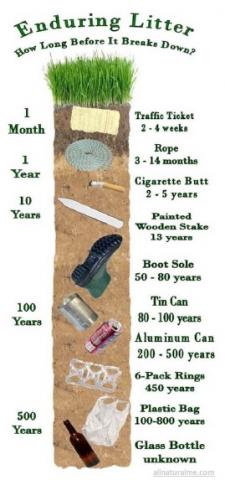
The proper disposal of waste is one way everyone can do their part to save the environment. Plastic, for example, if simply thrown into a rubbish pit will take 1,000 years to completely decompose. If recycled, it can be put to another use rather than end in a landfill, in the ocean or in rivers.
Waste segregation enables higher rates of recycling and decreases cost at several steps of the disposal system.
Why not start segregating the waste in your house, community or institute now? Segregation is one of the easiest practices to adopt and it can begin in your kitchen or pantry. Just put two bins in the room. One is for all the wet waste (food waste) and the other is for all the dry waste (recyclables).


