

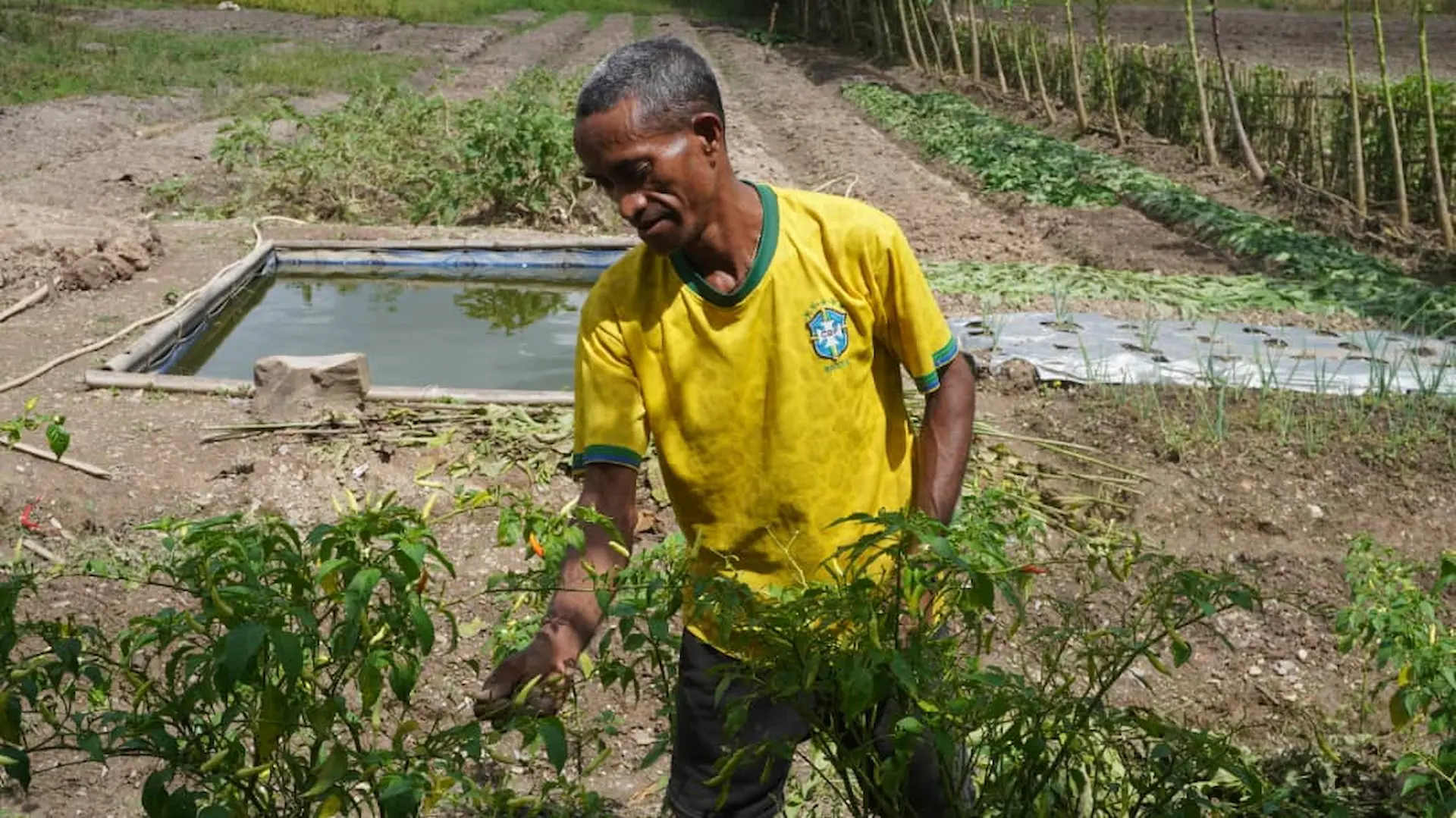
 Francisco Ribeiro is a 40-year-old farmer from Hlalmeta, Aileu, Timor-Leste. He leads the 43 beneficiaries of Jesuit Social Service’s (JSS) Food Security Program. Ribeiro is a father of six children—five sons and one daughter. As the head of the family, he is deeply dedicated to both his family and his community. He strives to support his loved ones by producing organic fertiliser, contributing to the development and ecological welfare of his community.
Ribeiro has been part of the JSS’ Food Security Program since it started in 2023. He plants various crops on his farm to ensure his family enjoys a nutritious diet while maintaining the fertility of the land. Instead of relying on chemical fertilisers, he and his group utilise readily available farm materials like cow dung, grasses, and leaves to produce organic fertiliser. According to Riberio, what was once considered waste has now become a valuable resource for farming.
Beyond farming, he actively participates in land protection efforts, including stream water conservation. By adopting permaculture techniques and principles promoted by Ego Lemos, the founder-coordinator of the Sustainable Agriculture Network and Organic Agriculture Movement in Timor-Leste, Ribeiro and his group also help restore and conserve water and ensure that communities, farms, and animals have sufficient water and that the surrounding land stays fertile for agriculture.
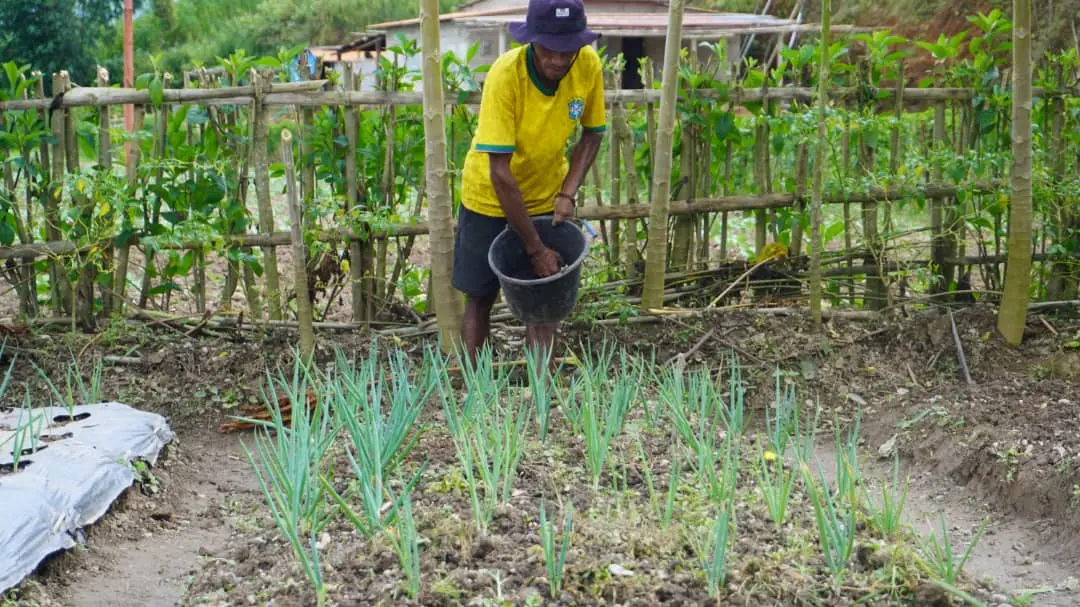 Prior to JSS’ presence in Hlalmeta, the community struggled with severe water scarcity, especially during the dry season, and often couldn’t farm due to poor water management. To clear land, farmers used to engage in slash-and-burn clearing. Without proper techniques, large-scale vegetable farming was nearly impossible, and deforestation was common, further harming the land. Their old practices left them trapped in a cycle of poor harvests and environmental damage. Valuable resources like cow dung, which could have been used to enrich the soil, were sold to NGOs, which repurposed them into organic fertiliser.
Now, since JSS introduced organic farming methods, the community has been steadily evolving towards more sustainable thinking and practices. Where forests were once cleared routinely, preservation now prevails. While a handful of households still resist change, most have abandoned field burning. Farms supported by JSS have completely stopped using chemical fertilisers, replacing them with organic alternatives. Ribeiro, who used to sell cow dung to NGOs only to buy them back as organic fertiliser, is now able to produce his own organic fertiliser for his and his group’s farms. This not only cuts costs but also maximises productivity. Awareness of water conservation has grown, too, leading to better protection and conservation. With improved practices, the volume of water available in the region has increased, ensuring farms thrive even during drier months.
Most importantly, the community’s knowledge of ecological care has deepened. This change in values has improved more than just the crops; it has transformed the community’s entire way of life, changing perceptions to value local resources and promoting self-sufficiency.
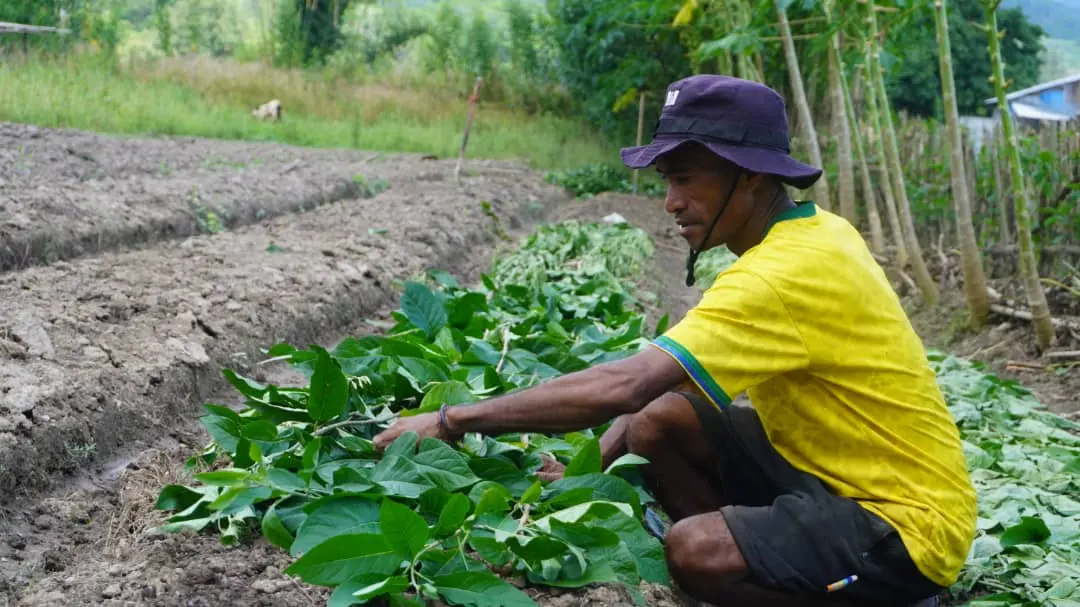 Even I started planting and growing organic vegetables. This simple change has transformed our lives, bringing healthier food to our table and keeping our land fertile. The fact that we now ensure no more flames will scar our land is a sign that awareness has truly grown among us. Together with other beneficiaries, we protect water sources and conserve natural streams so that even during the dry season, we will have sufficient water. These small but meaningful practices help us build a more sustainable future right here in our locality and for every family.
I believe that when we are together, we cultivate not just crops but wisdom, deepening our understanding that healthy land means healthy lives. Ancient practices, like slash-and-burn, must be replaced by more sustainable techniques. Collectively, we must prioritise local production of organic fertilisers and eliminate the use of chemical fertilisers, which only degrade the quality of our soil over time. By committing to these changes, we can protect our environment while ensuring fertile land for future generations.
As Ribeiro says, this shift in mindset isn’t just about farming; it’s about respecting and protecting the earth that sustains us all.


