

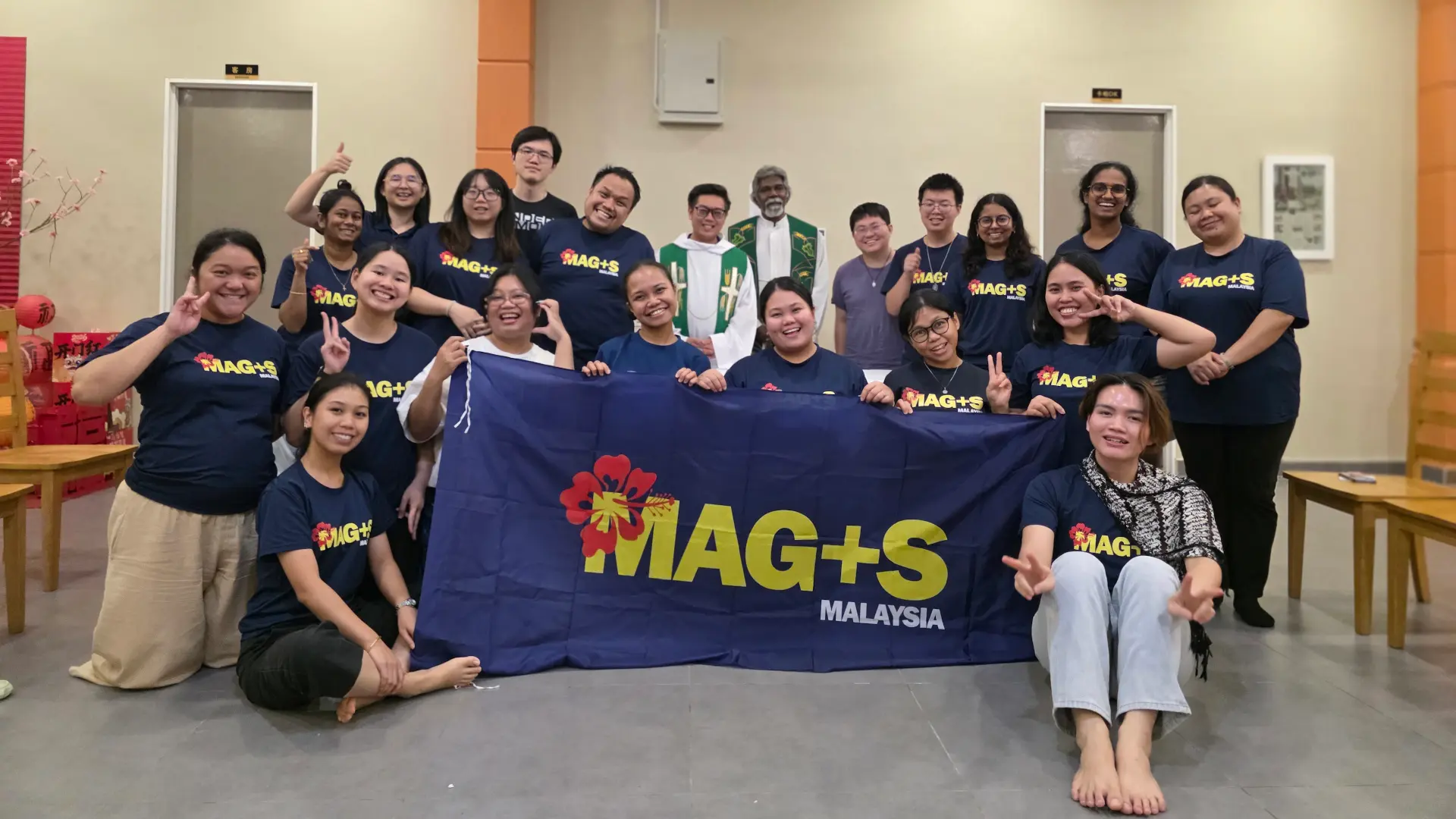
 In September, 20 MAGIS Malaysia participants gathered in Batu Arang for an Ignatian spiritual formation. Though many of us arrived tired and unsure of what to expect from the next three days and two nights, the weekend soon became much more than a retreat centred around Scripture and prayer. It was a meaningful balance of reflection, learning, immersion, fellowship and fun, a space where we could encounter God while also encountering one another.
From sharing our experiences during the sessions to ending the day with a BBQ dinner together, the formation gave us the opportunity to grow not only in faith but also as a community. There was laughter, good food, honest conversations, and moments that made the weekend memorable.
The formation was centred around Fr Paul Dass SJ’s work on integral human development and the See–Judge–Act methodology. We learnt how responding to social realities begins by first seeing reality honestly and attentively, discerning what we see in the light of God and the Gospel, and then responding through concrete action.
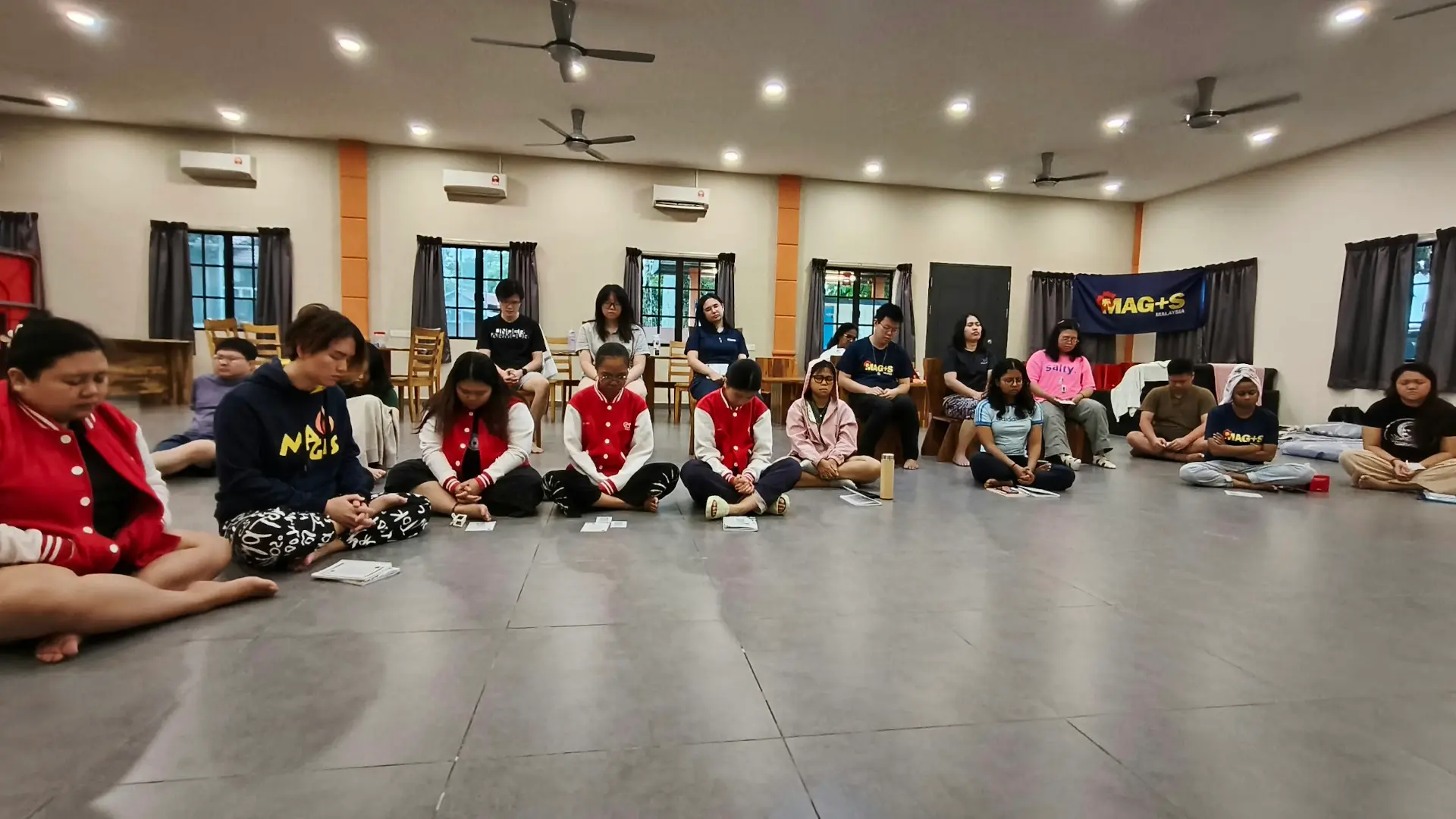 PERCH, the Peter Favre Refugee Convalescence Home in Batu Arang, is one example of this spirit of responding to people in need.
For the “See” stage of our formation, we spent time with the refugee community at PERCH and with the residents of Positive Living Community, which provides care and support for people living with HIV/AIDS. Rather than simply learning about marginalised communities from a classroom, we were able to encounter people and their stories beyond the labels, assumptions, and perceptions that we may unconsciously carry.
The “Judge” sessions challenged us to bring what we had experienced into prayer, Scripture, and Catholic Social Teaching. We were encouraged to ask not simply, “What do I think about this?” But how does God see this situation?” And “What is God inviting me to do?” We explored the importance of understanding a person’s circumstances, background, and story before making assumptions about them, and the difference between judging a situation through discernment and being judgmental towards another person. We were also introduced more deeply to Catholic Social Teaching, including the idea of “structures of sin” and how personal conversion can extend into the transformation of society.
The responses from participants reflected how deeply the experience resonated with many of us. Some spoke of gaining a greater understanding of Catholic Social Teaching and the realities faced by refugees and people living with HIV/AIDS. Others found themselves becoming more conscious of their own tendency to judge others, learning instead to listen, empathise, and see people with greater dignity and compassion. One participant summed it up simply: faith without action is incomplete. Another shared that the experience taught them to “see without judging, to listen without replying, and to know without experiencing.”
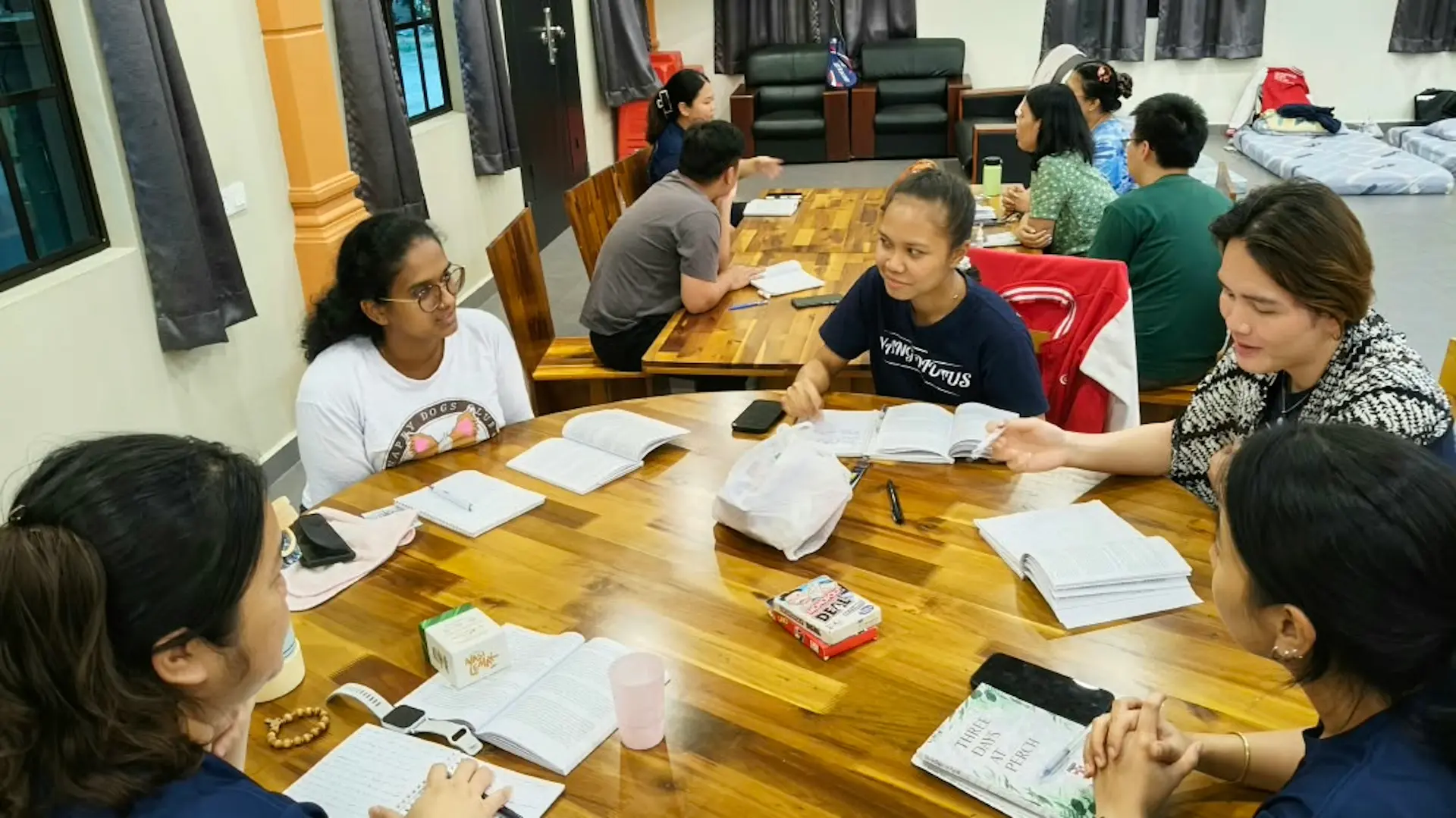 For many, the immersion also became a personal moment of conversion. It encouraged us to look beyond our usual perspectives, recognise the presence of God in the lives of others, and ask what He may be calling us to do in our own daily lives. We were reminded that the people we encountered are not defined by their illness, circumstances, nationality, or past. They are, like us, people created in the image and likeness of God.
Perhaps what made the formation especially meaningful was that it did not remain purely theoretical. We started with real people, real stories and real experiences, and only then returned to Scripture, prayer, and the framework of See–Judge–Act to make sense of what we had encountered. It was faith brought to life, serious when it needed to be, but also joyful, relational and deeply human.
By the end of the weekend, many of us left with more questions than answers, but perhaps that is part of the journey. We were challenged to see more attentively, judge more compassionately, and act more intentionally. Most importantly, we left with a renewed desire to continue walking together as a MAGIS community, carrying what we had learnt beyond Batu Arang and into the realities of our everyday lives.


