

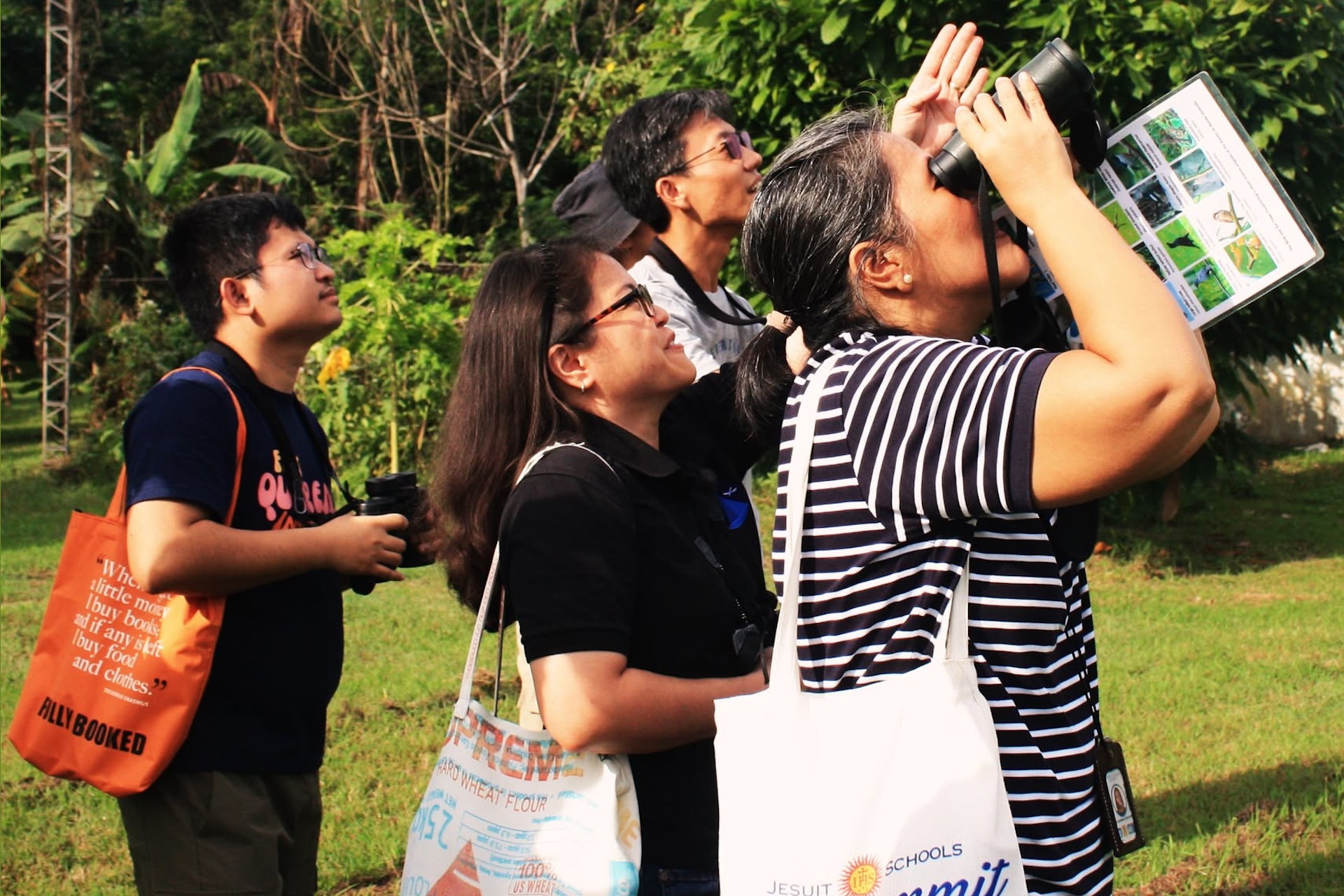
 It was a Tuesday, 14 January, the eve of a new school semester. We, formands, from the Loyola House of Studies (LHS) inside the Ateneo de Manila University campus in Metro Manila, had just welcomed the new year, completed our triduum retreat, and participated in the First Studies Subcommunity villa. Some of us savoured our final moments of “freedom,” while others hurriedly made last-minute preparations as the new semester loomed.
Consumed by thoughts of the onslaught of assignments, quizzes, and deadlines, I braced myself for the challenges of the upcoming semester. However, I had also received an invitation to join a nature walk with The Ateneo Wild, a citizen science group based on campus. At first, I was torn—there were pressing matters to attend to—but I decided to set them aside for a moment and reconnect with nature. In hindsight, I’m glad I made that choice.
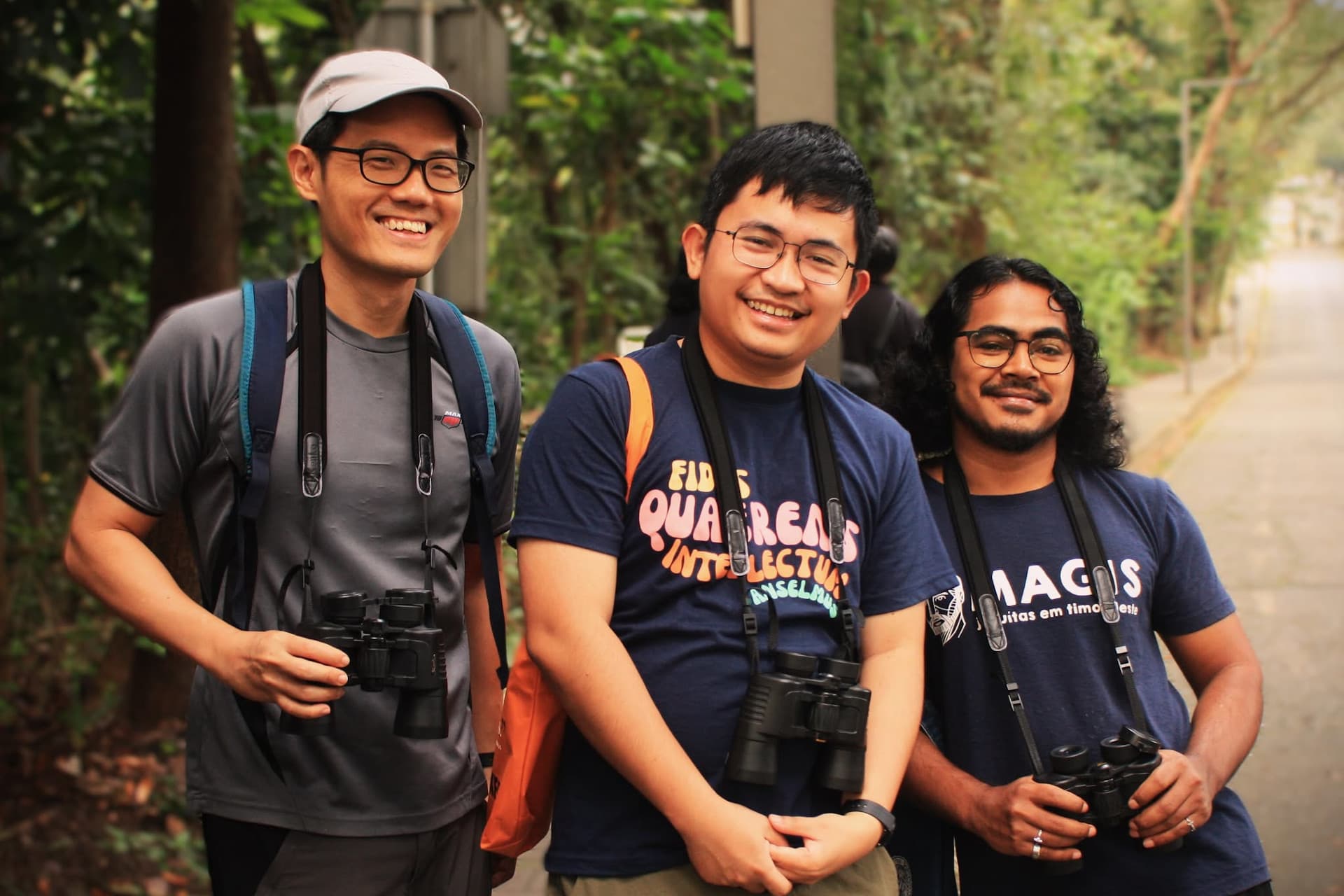
 At 7 am, 13 formands, accompanied by two formators—Fr Christopher Dumadag SJ and Fr Gabby Lamug-Nanawa SJ—gathered for a guided tour with The Ateneo Wild co-founders Abby Favis, who teaches Environmental Science, and Trinket Constantino, who teaches Biology, both at the university. Together, they would help us appreciate and learn about the biodiversity around Ateneo.
I appreciated the serendipity of it all. There was no strict agenda—only a general sense of the route we wished to take and about two hours to explore. Each walk is unique, with different creatures to see and encounter along the way. Like excited children, we eagerly received our binoculars from Abby and Trinket, anticipating the ocular feast that awaited us.
Our journey began unceremoniously with a mahogany tree, introduced to the Philippines in the early 1900s for its fast-growing lumber. As an invasive species, it has no natural predators, allowing it to proliferate unchecked. Furthermore, the tree’s chemical secretions inhibit the growth of surrounding plants. We then encountered some native trees. For example, the Narra (Pterocarpus indicus), the national tree of the Philippines, symbolises strength, resilience, persistence, and lofty ideals. We also came across several Acacia trees (Samanea saman) near the front yard of the Loyola House of Studies.
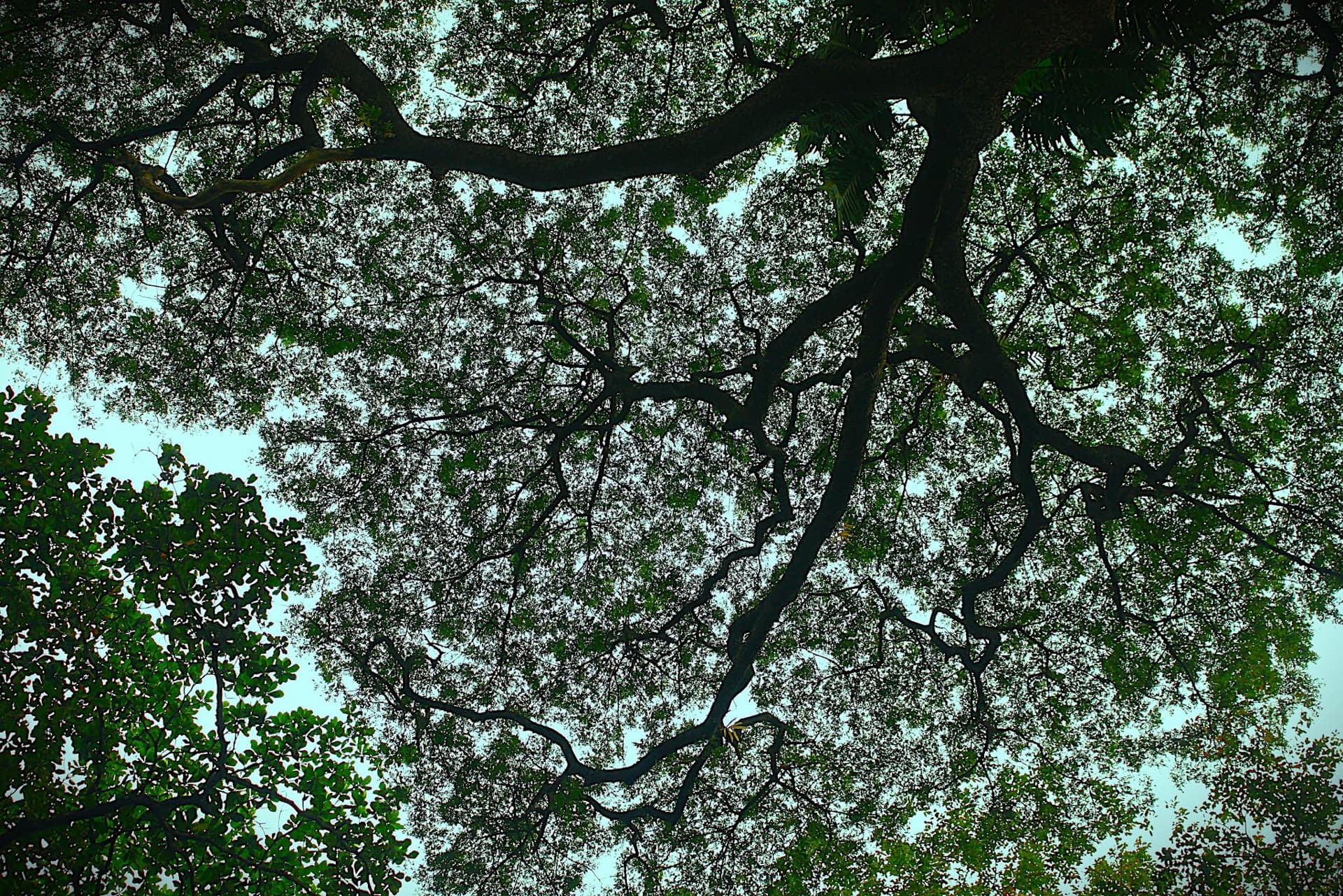 Did you know that trees, like humans, can be shy? The phenomenon, known as crown shyness, occurs when the crowns of trees don’t touch each other, creating a natural gap in the canopy. Thus, looking up, a thin invisible line acts like a boundary as in a map, separating the leaves of one branch from another.
As we continued our walk, we hoped to catch a glimpse of the elusive Peregrine Falcon, which is often perched atop one of the towers near the Manila Observatory. Our guides shared that the falcon, though an apex predator, isn’t immune to the harassment of territorial crows. The crows, reminiscent of velociraptors, are known for their ability to overpower even the fiercest of foes by sheer numbers. That day, we saw many crows—but no dinosaurs.
We also spotted the Collared Kingfisher, often mistakenly believed to feed solely on small fish. In reality, its diet also includes insects, spiders, earthworms, snails, frogs, and even lizards.
 We observed the migratory Paddyfield Pipit perched on a wire fence near the Manila Observatory. We found the African Tulip, an invasive species with striking red and orange flowers, at the start of Paseo de Reilly. Further down the lane, we encountered the distinctive fish poison tree, also known locally as Botong.
Our tour concluded back at LHS with a delightful sighting of a family of Rufous-crowned bee-eaters. We stood, necks craned and mouths agape, admiring their colourful plumage through our binocular lenses for several minutes.
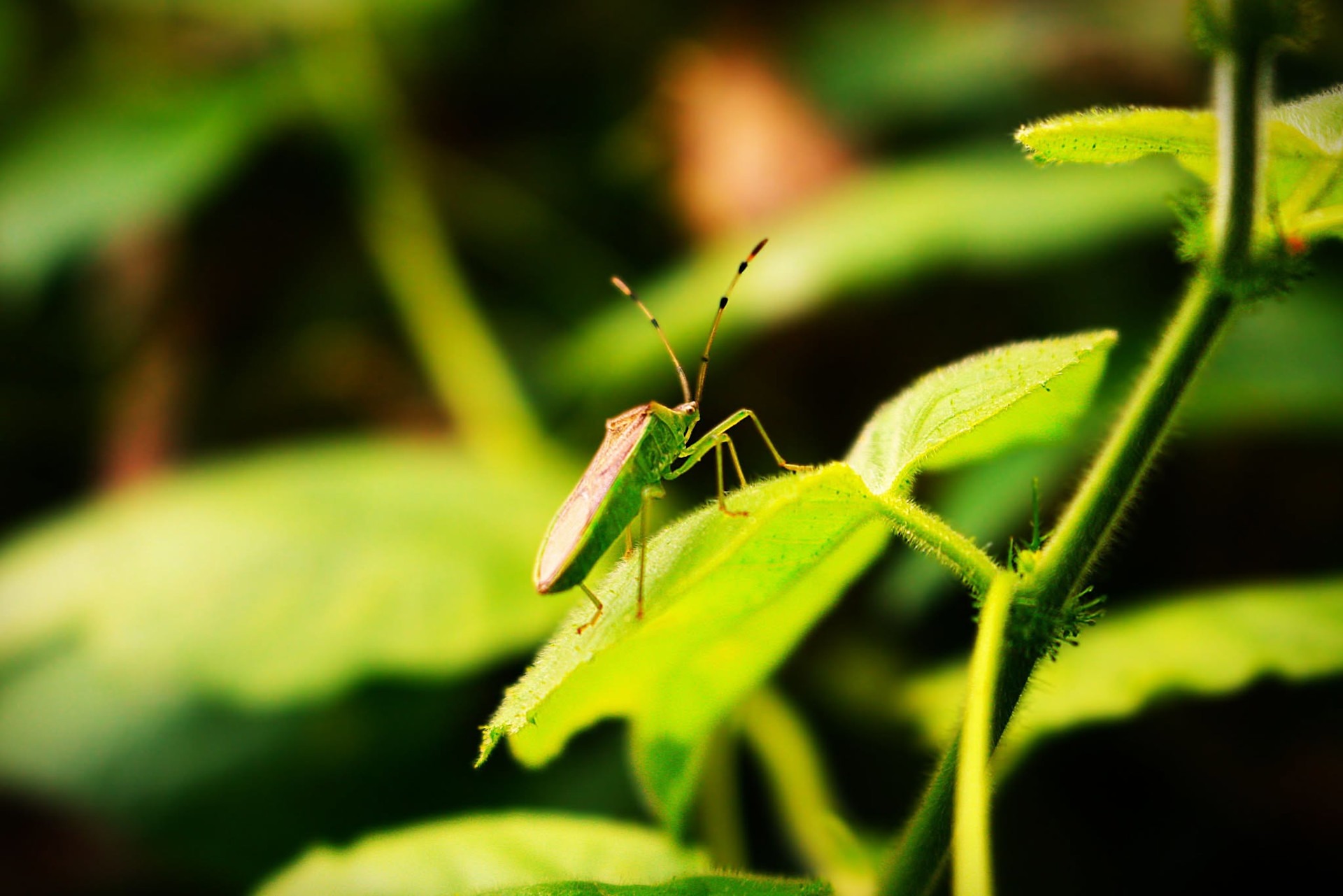
I had no idea that our campus was home to such a rich variety of wildlife. Encounters with creatures like rhino beetles, different kinds of pollinators, golden orb-weaver spiders, and the yellow-vented Bulbul filled me with awe and wonder.
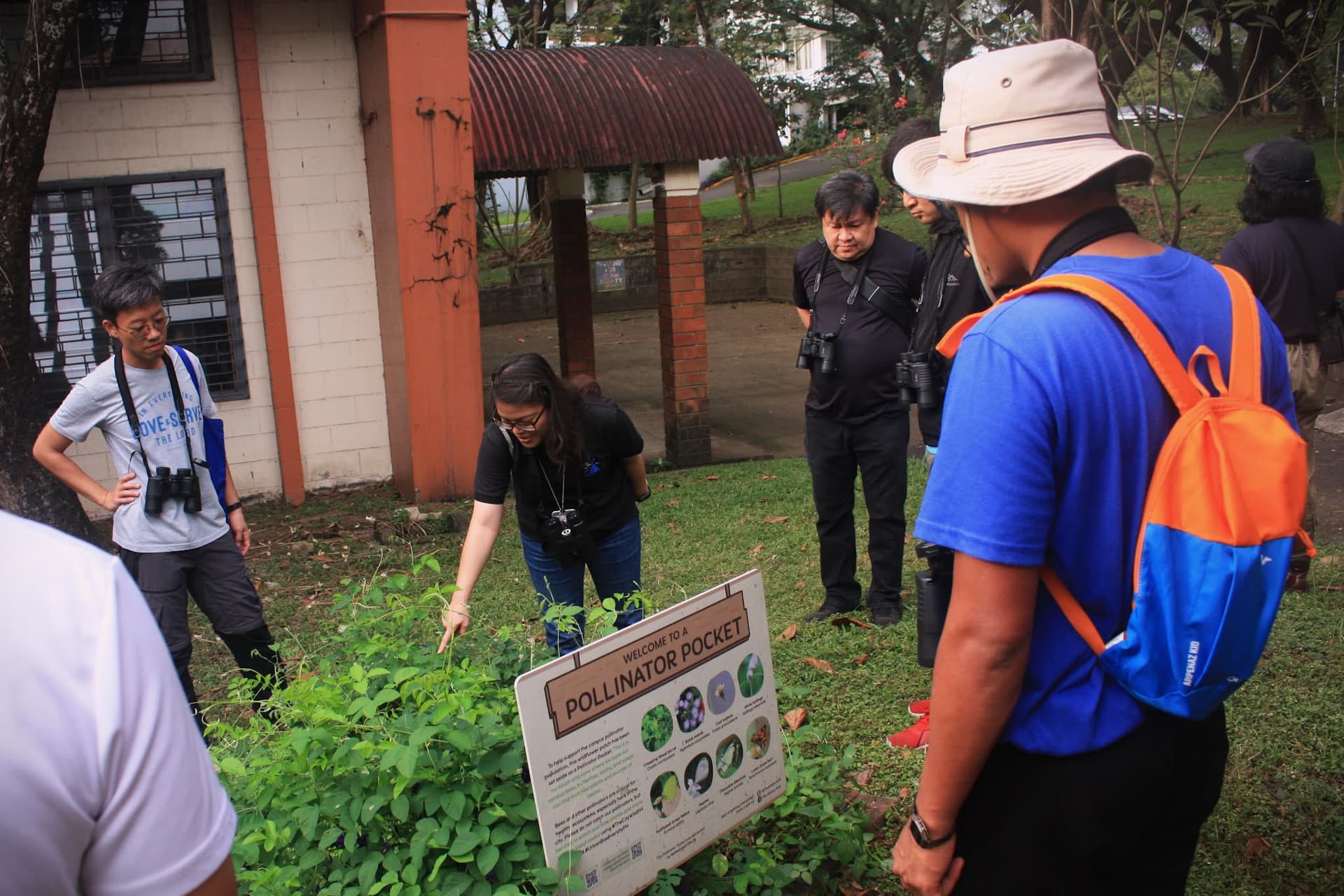 Indeed, looking is different from seeing. As I walked the familiar paths of Seminary Road, past San Jose Seminary, Father Masterson Drive, and the Manila Observatory, I encountered whole new worlds.
In the end, there was no need to possess, acquire, or strive for anything. Nature’s spectacle unfolded freely before me—available to enjoy, but only if I was willing to pay attention to the daily symphony that surrounded me.
Perhaps it was only after a year and a half at LHS that I truly saw things for the first time. A wonderful universe of biodiversity, little ecosystems, and interconnected worlds. Our interdependence with creation is astounding. A walk in nature, even in our university campus within the city of Manila, allows one to be affected by it, savour it, and fully take it all in.