

Photo by Ria Limjap
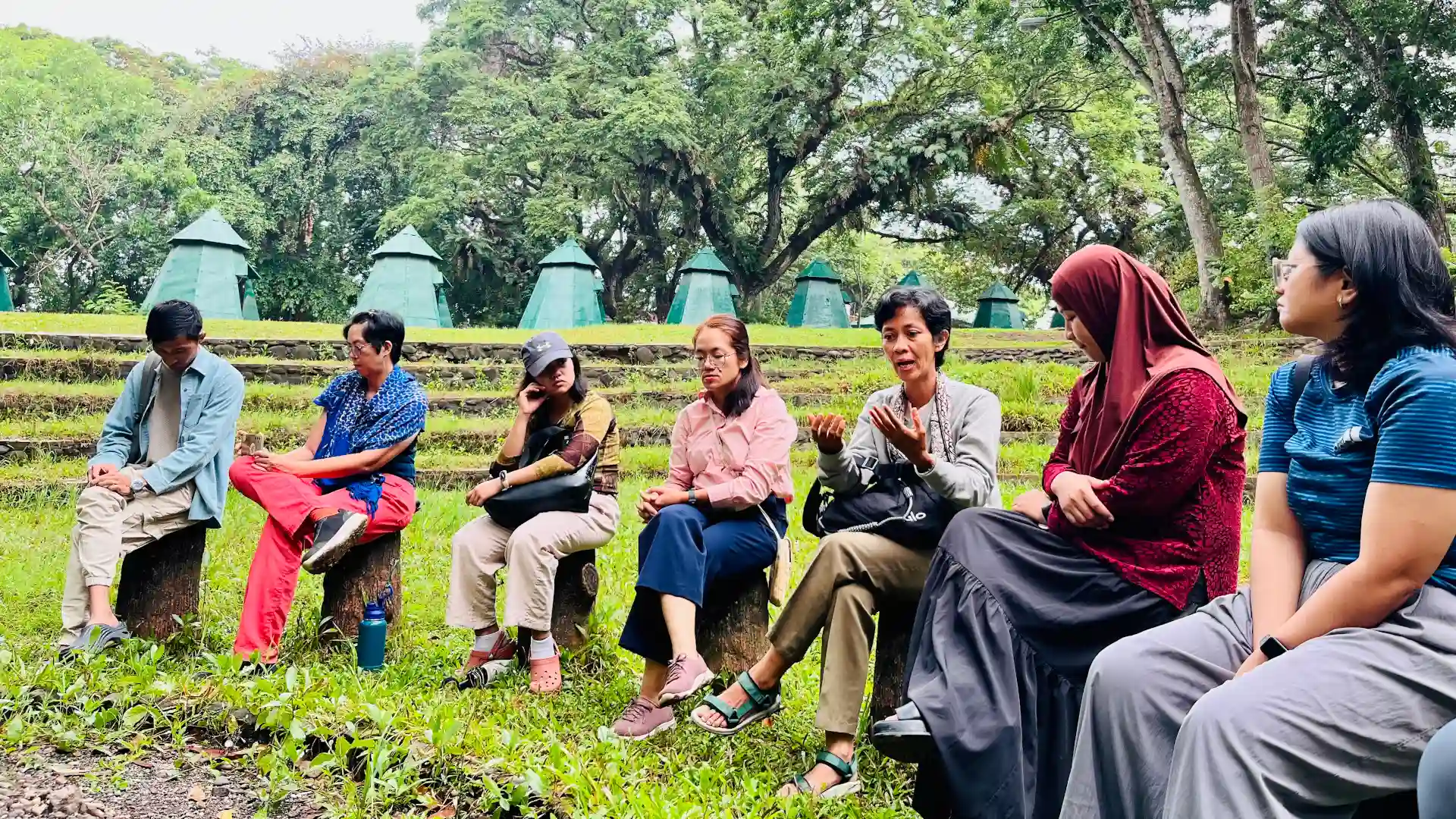
The third pillar— strengthening local communities—of the Jesuit Conference of Asia Pacific’s (JCAP) flagship project, Caring for Communities and Creation, wrapped up its first phase with a tree monitoring skills workshop in late September. Over five days, participants learnt not only how to track tree growth but also how monitoring itself can deepen understanding and community cohesion.
Hosted by Ateneo de Zamboanga University’s (AdZU) Ateneo Center for Environment and Sustainability (ACES) and supported by Jesuit Mission Australia and Jesuit Refugee Service Asia Pacific (JRS AP), the workshop brought together participants from Cambodia, Indonesia, Myanmar, and the Philippines, including a representative from Ateneo de Naga University’s Institute for Environmental Conservation and Research.
Participants represented different faiths and fields: Catholic and Muslim, social workers, environmental workers, humanitarian aid workers, scientists, educators, a forest specialist, a chieftain, and a priest. Within days, they had formed a micro-community, exchanging best practices, comparing local contexts, and asking questions about each other’s monitoring practices.
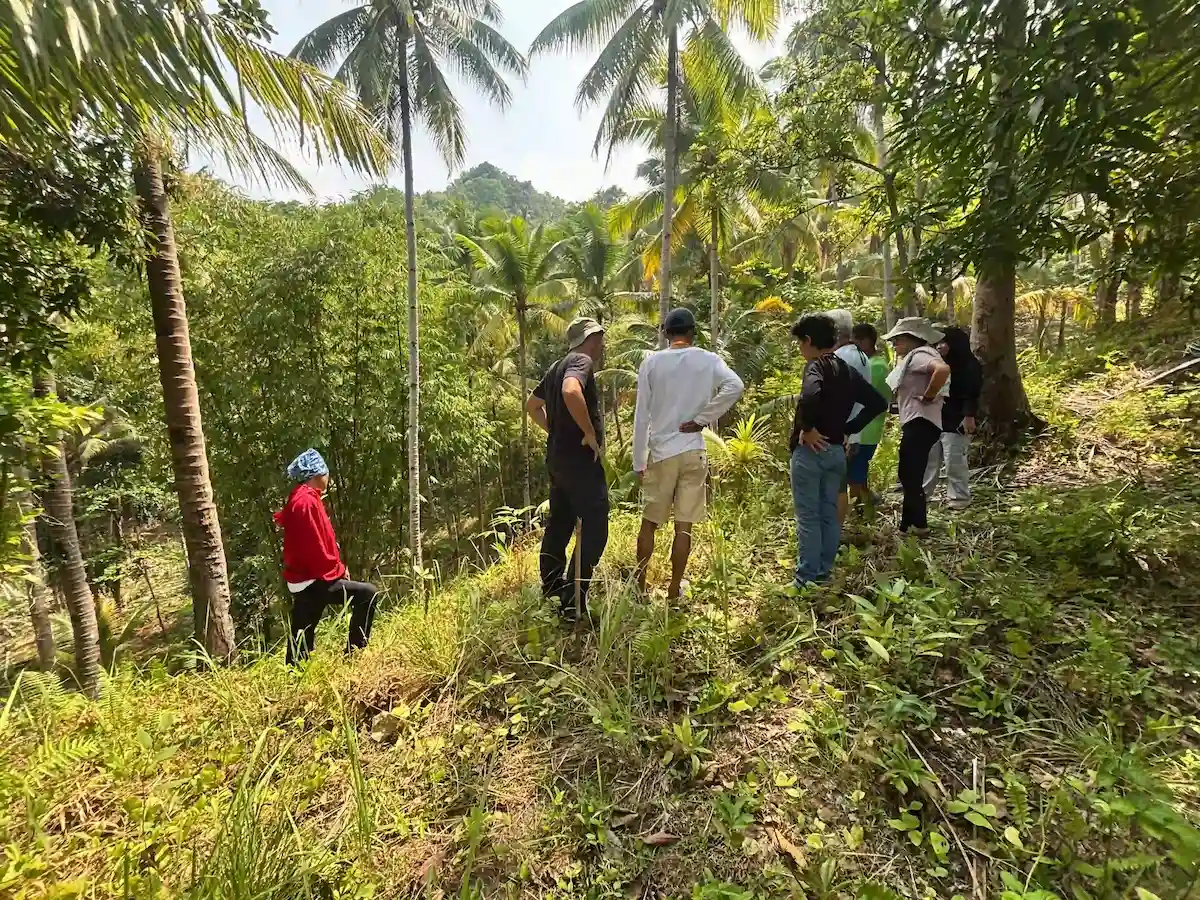
Tree monitoring in Limpapa | Photo by Raymond Ong
The first day was spent indoors at the university’s Gallery of the Peninsula and the Archipelago, where photographs from different project sites and colourful Yakan fabrics “brought the outside in”. ACES director Emir Espino outlined the organisation’s work spanning research, technical services, advocacy, and extension projects.
Louie Bacomo, JCAP coordinator for Reconciliation with Creation and JRS AP’s Director of Climate and Forced Displacement, facilitated input sessions, inviting participants to share their community monitoring practices.
Among the highlights was the experience of a community mobiliser from JRS Myanmar, who described tree planting efforts in conflict-affected Kayah and Southern Shan states, in collaboration with local government, diocese, education and religious sectors, internally displaced communities, and students.
Panh Chanda of Cambodia’s Jesuit Ecology Program spoke about integrating ecology, interfaith dialogue, and ecospirituality among Buddhist, Catholic, and indigenous communities.
Nindya Dwi Fosa Hidayati of LPUBTN-KAS, an Indonesian non-profit organisation supported by the Archdiocese of Semarang, reported on mangrove planting with an urban poor community in Semarang, where flooding brings large amounts of waste.
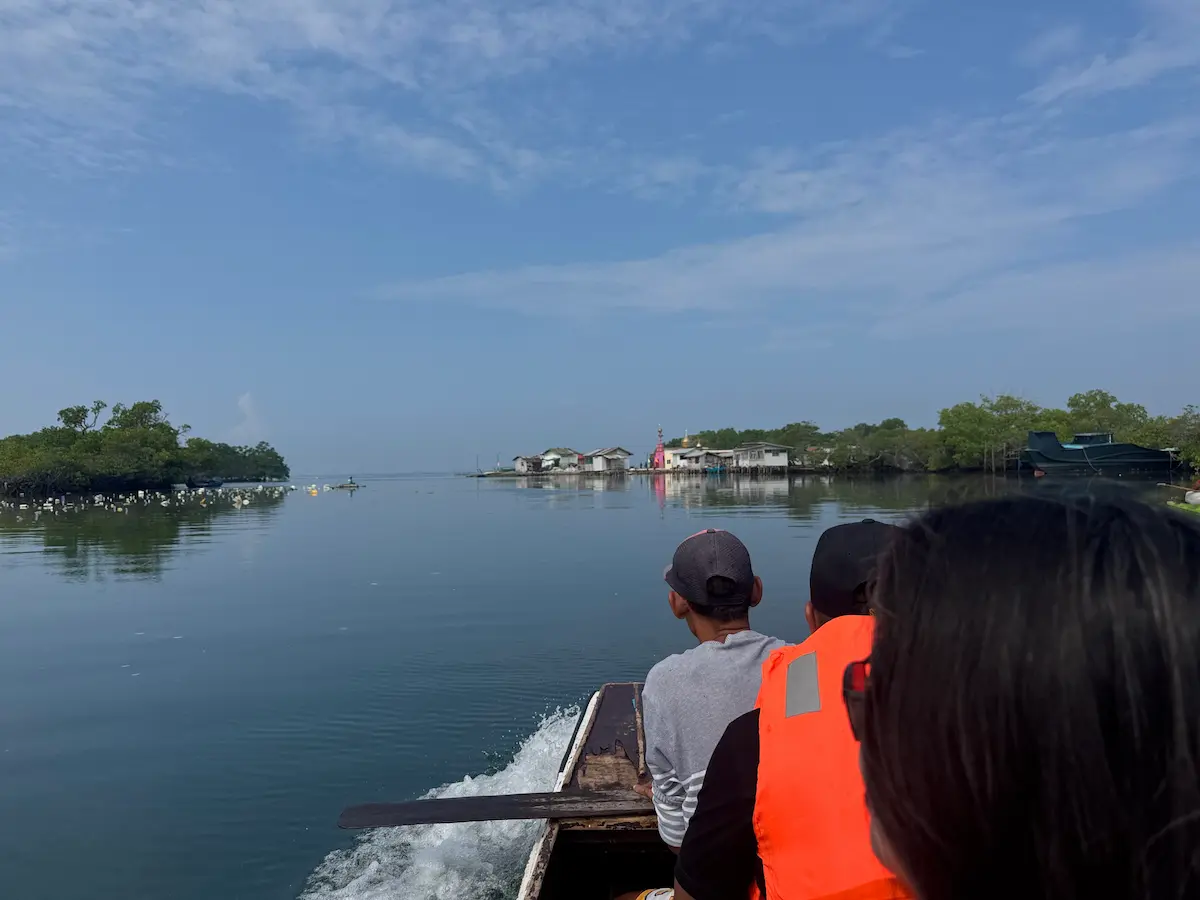
Visiting Simariki Island | Photo by Panh Chanda
Jason Menaling from Bukidnon, a landlocked province in the heart of Mindanao, shared how they transitioned from painstaking manual monitoring to digital tools, as well as woven culture, faith, and solidarity in growing forests. Joan Llamado from JRS Philippines presented Project CARE centred on conserving, adapting, rehabilitating, and engaging communities in environmental action. ACES project manager Raymond Ong demonstrated technological approaches to mapping and monitoring.
Welma Omoy of AdZU’s Center for Community Extension Services spoke of their involvement with the community in Simariki Island and the Sama Bangingi, who have lived on the manmade island for generations. Through discernment with tribal leaders, women, and youth, the community identified poverty alleviation programmes, including livelihood, education, health and nutrition, and environmental protection. She described the process as a continuum of community strengthening—from presence and participation to capacity and ownership.
The group later split into upland and coastal teams for a richer discussion on monitoring best practices and challenges.
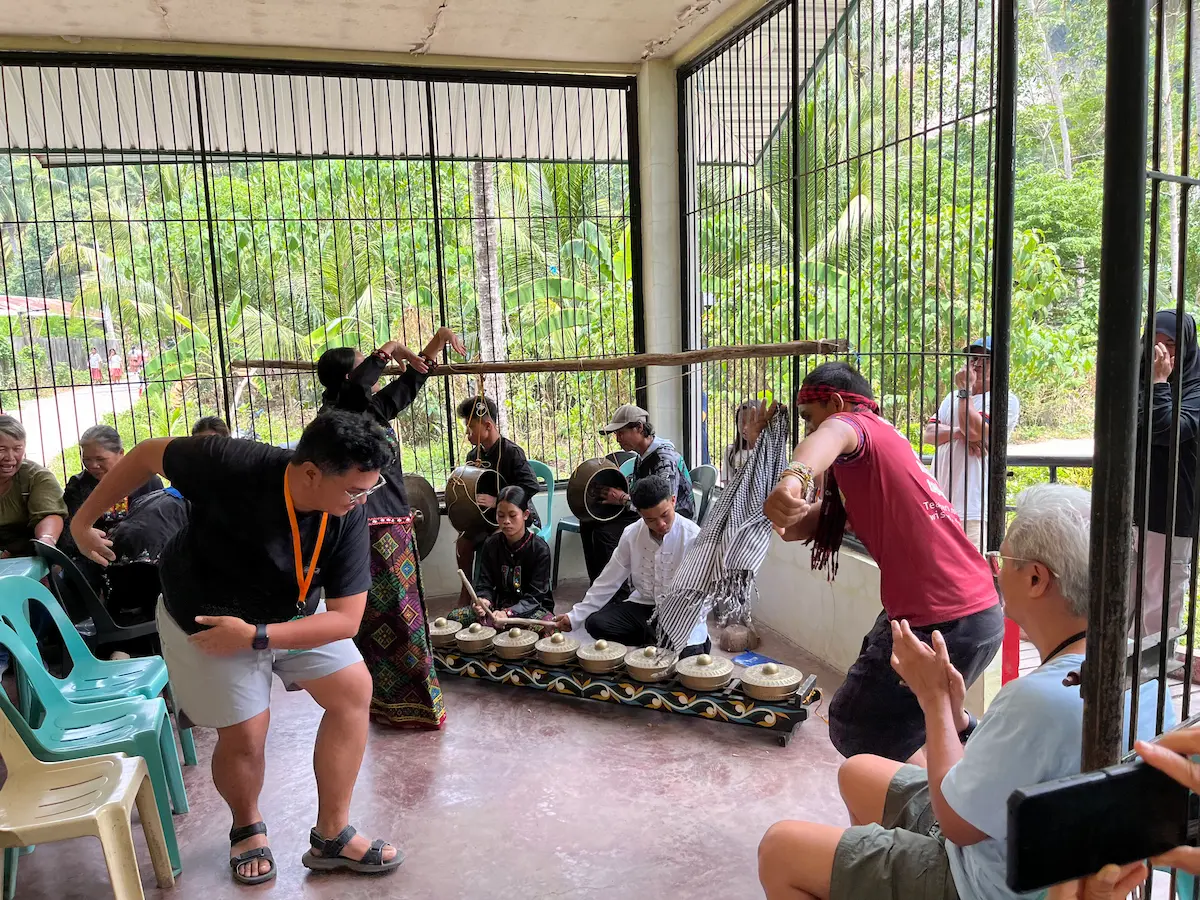
Photo by Ria Limjap
The following days were spent in the field. Their first field visit was to Limpapa, an upland area within the Subanen ancestral domain. After trekking up the mountainside, the group inspected planted trees and heard from caretakers Cesar and Avelino about their work.
Menaling, a chieftain of the Pulangiyen, shared with the community his own learning and wisdom from Bendum on caring for ancestral land—a meaningful exchange between indigenous groups on caring for our common home.
The journey down ended at the tribal hall, where Emily, a community leader and point person for the tree planting project, imparted a teaching from their elders: when you are given something, take care of it. She shared that their united front in facing problems is the community’s strongest foundation.
The next day brought the group to a very different setting: Simariki Island, almost at the tip of the peninsula but still within Zamboanga City. Past the mangrove forests lives a relatively small population of Sama Bangingi. The women are responsible for caring for the environment, as well as their homes and families, as the men set out for work. The community remembers how a large mangrove forest helped protect one village during an earthquake and tsunami that struck the Moro Gulf in 1976.
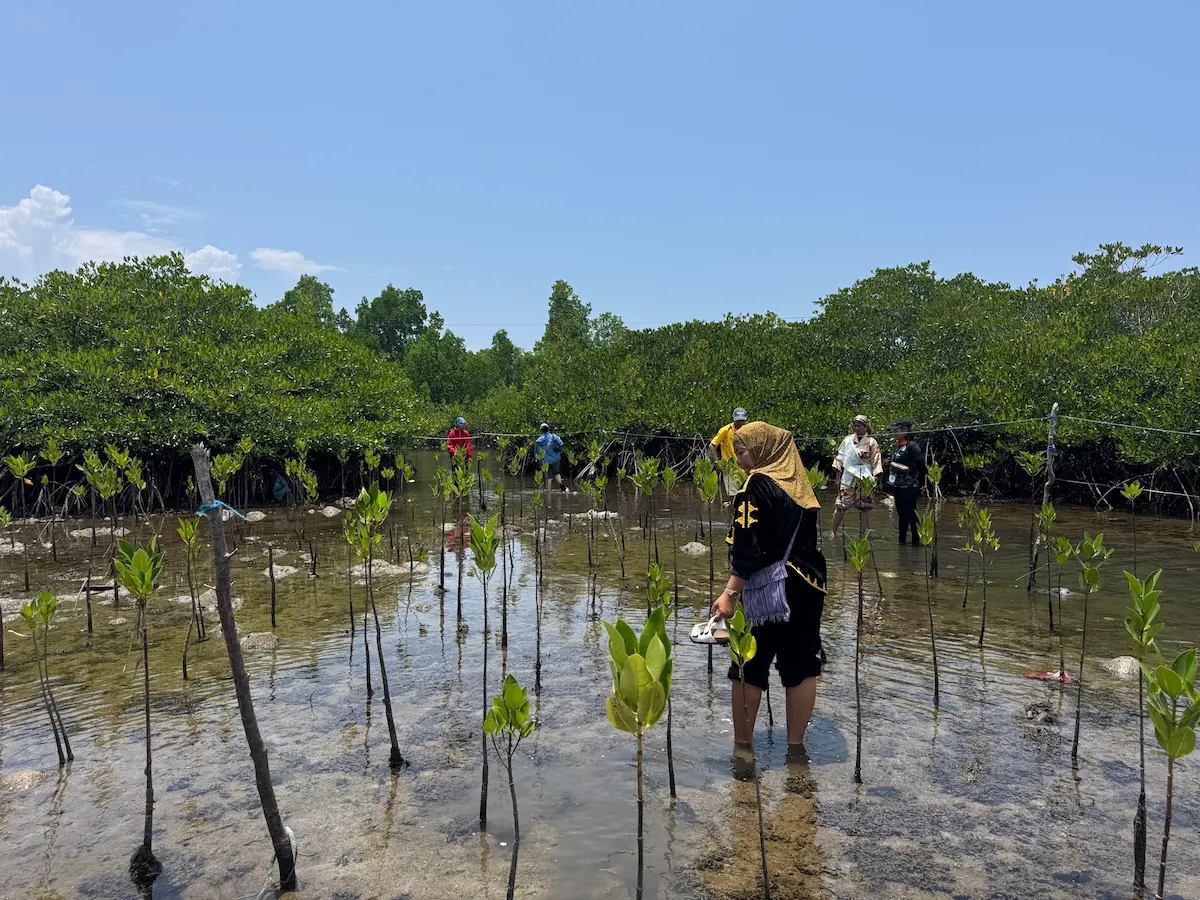
Photo by Panh Chanda
With support from the local government and partners like ACES, the locals are reinforcing their existing mangrove forests even as they face even more challenges, including climate change and the rising sea level. Their practices include maintaining a mangrove nursery where young trees can grow before being planted. The quality of life on the island has improved, with seaweed farming bringing in more income and new infrastructure, such as an elementary school, mosque, boardwalk, freshwater tank, and solar panels.
The workshop yielded lessons far beyond technical skills, from standardising monitoring methods to youth-focused community strengthening, learning exchanges, and capacity building.
“Monitoring is more than just planting trees and counting how many survived…it is also a process that strengthens our partnership with the indigenous communities,” said Shareeka Villamer, ACES programme officer for extension projects.
That may have been the workshop’s most important lesson. Trees don’t grow in isolation and neither do communities. When communities act together, sharing capacities and experiences, they strengthen what is already there.


