

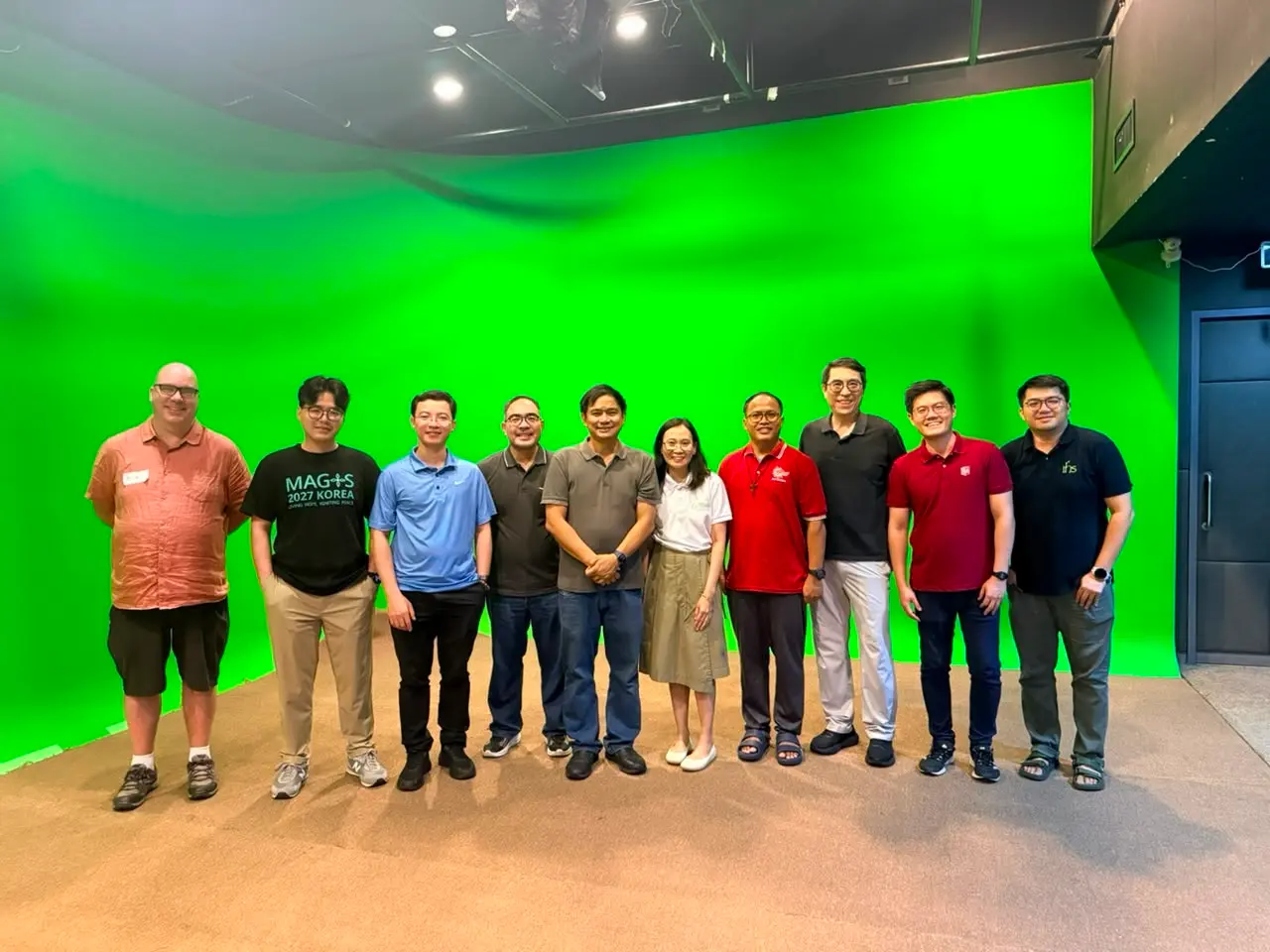
Jescom Asia Pacific delegates at one of Jescom Philippines’ studios.
While heavy rains drenched Manila, lively discussions unfolded inside the Tertians’ Hall of the Loyola House of Studies at the Ateneo de Manila University, where directors of social communications ministries across our Jesuit conference gathered for their assembly. Coming under the banner of Jesuit Communications (Jescom), the group consists of Jesuits and lay collaborators working in various fields of Church communications.
Jescom Asia Pacific meetings are convened every two years, and the three-day meeting held from 5 to 7 August gave delegates space to share updates since their 2024 meeting in Hong Kong. They shared about their various audio and visual productions, publications, music, and social media campaigns, as well as the different religious landscapes in which their ministries operate. The presentations inspired one another and affirmed the value of the work each is doing in using communications for ministry across Asia Pacific.
Conference President Fr Jun Viray presented the international works of the conference, namely Arrupe International Residence, highlighting the uniqueness of its multicultural setting, the East Asian Pastoral Institute and its upcoming 60th-year celebrations in September, and the inspirations and challenges from the Pakistan Mission, which has been entrusted to JCAP. According to Fr Viray, the Pakistan Mission leaves him “energised” for the mission.
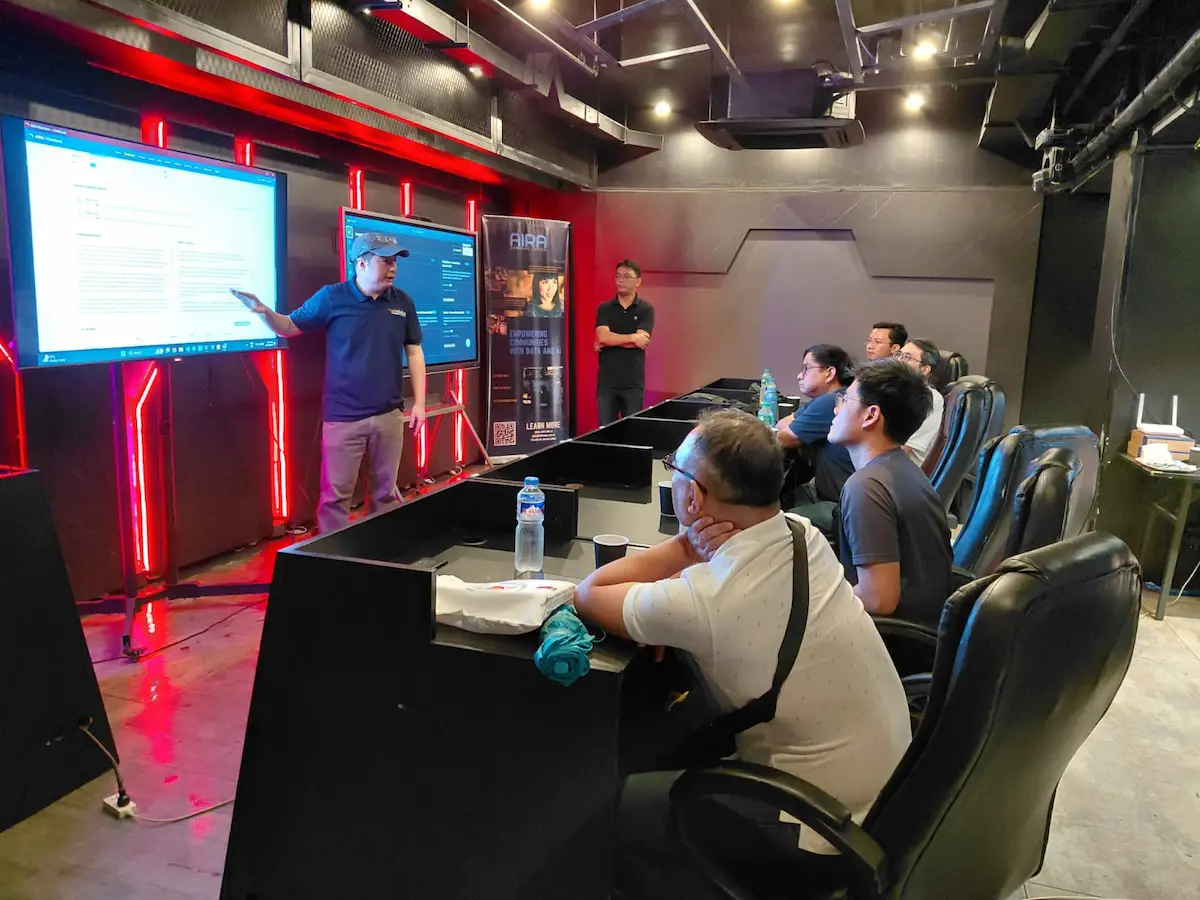
Delegates visit Aira Labs, a 100% Filipino AI start-up firm helping local governments and enterprises in data-driven decision-making
His talk tied in with the three-year process of developing a conference apostolic plan. This year, the focus is on discernment in common, deciding which programmes to stop, start, or continue; identifying common themes and emerging tensions; and recognising promising seeds for the future. The delegates engaged in this process with the guidance of Planning Consultant JP Villanueva, who highlighted the role of communications in mission—from message comprehension and stakeholder sentiment to diversity of voice and consistency and accuracy, to name a few.
The programme also included a visit to the Jescom Philippines studios, where many of their shows are filmed, as well as to a local artificial intelligence (AI) start-up firm called Aira Labs. The company is helping local government units make more informed leadership decisions in basic service delivery through data-driven decision-making and operational intelligence.
AI’s impact on the creative industry was also explored during the assembly. Marlon Barneuvo, an educator and music producer in the Philippines, was invited to share how AI has changed the process of making music and the pitfalls that come with it. Some delegates had already experienced using AI music applications, but many agreed that AI-generated music tends to sound the same. While AI is useful and convenient in the production process, all agreed that nothing can replace human creativity.
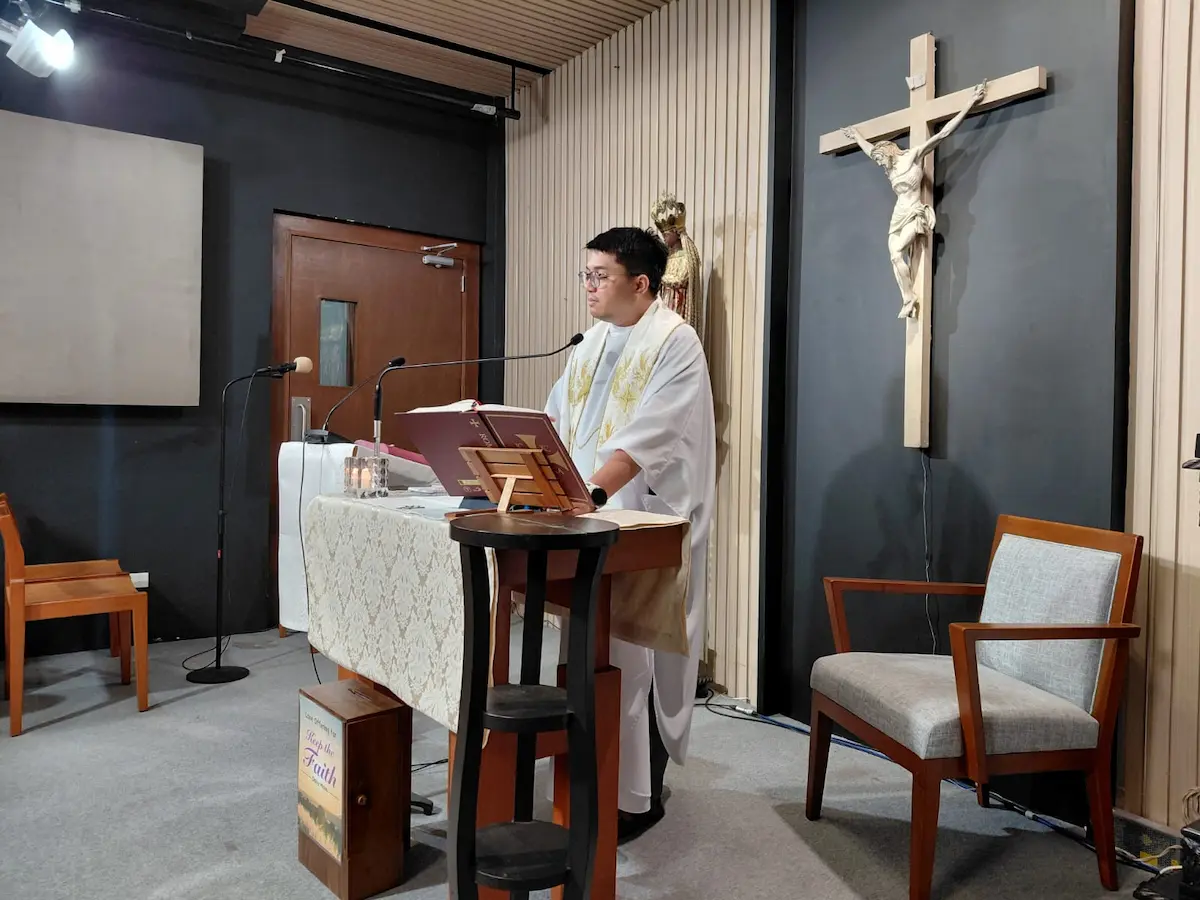
Fr Septian Marhenanto SJ celebrates his first Mass in the Philippines
Amid the discussions and presentations, a special moment came when one of the delegates, Fr Septian Marhenanto from Indonesia, presided over the Eucharistic celebration on the second day. Fr Marhenanto was ordained only last year, and it was his first time to celebrate Mass in the Philippines, making it a Thanksgiving Mass for him.
While Fr Marhenanto marked a first, it was also the last Jescom Asia Pacific meeting for Fr Nono Alfonso who has led the network since 2010. Fr Alfonso will concentrate on his role as delegate of the social apostolate of the Philippine Province.
For Fr Dinh Tran of Jescom Vietnam, the assembly ignited a “fire burning from within”. He said he was proud of the work his Jesuit brothers are doing and, looking to the future, said, “I will do more and more for communication because I can see that communication right now is the key to transforming the world.”


