

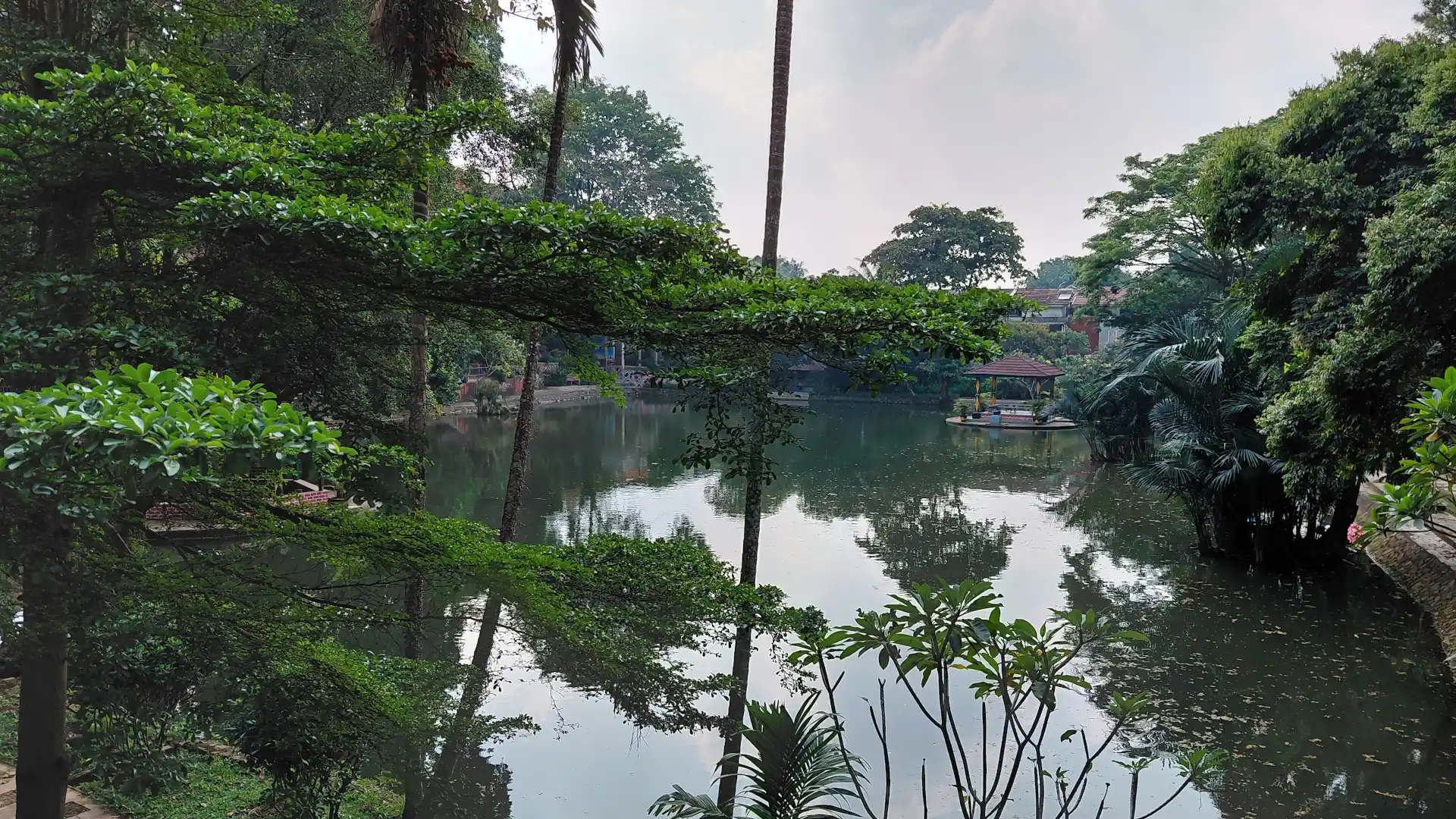
 A few hundred steps from the Transjakarta bus stop in South Tangerang behind the imposing Tip Top supermarket lies a large lake fed by natural spring water. It’s the first thing to catch your attention when you enter the gates of the Civita Youth Camp. Set on nearly three hectares of green space, the lush foliage and the quiet chirping of the birds contrast sharply with the mingling sounds of children playing and the rumble of cars and motorcycles outside.
Civita Youth Camp is a pastoral service of the Archdiocese of Jakarta. Located just south of the capital, the retreat centre founded in 1974 predates its now vibrant neighbourhood, filled with houses and lined with small shops selling sundries, including Indomie instant noodles and kerupuk, the famous Indonesian crackers.
Its name combines the Sundanese word ci (water) and the Latin word vita (life). In this sense, the lake serves both a practical and metaphorical purpose. During the dry season, it supplies the surrounding community with water for irrigation, while throughout the year, people come to this urban oasis to find “the water of life,” seeking to satisfy their thirst for knowledge of themselves and of God.
Each year, between 8,000 and 12,000 students, teachers, and non-teaching staff from the 74 Catholic schools across the archdiocese arrive in Civita for retreats or recollections. Parishes, youth groups, and even Protestant pastors also participate. Muslim students regularly join school retreats and participate in Masses as part of their experience.
On this bright Sunday morning in the first week of July, a group of altar servers from across the Archdiocese of Jakarta is attending a retreat. Among them are Muslim sacristans who faithfully serve alongside their Catholic friends. Indonesia has a culture of interreligious cooperation that is difficult to find elsewhere. Here, Muslims and Christians live and work together in harmony.
Civita itself is a breathing example. The centre is sustained by collaboration between the Jesuits and the Sisters of Charity of St Charles Borromeo. More than 60 per cent of its employees are Muslims, many of whom come from several generations of the same families who have worked at the centre. It’s a mutual relationship: Civita provides livelihoods for the surrounding community, while the community, in turn, protects and supports the retreat centre.
Moreover, the archdiocese regularly assigns young seminarians to Civita for their regency, while members of other religious congregations spend anywhere from one month to one year in immersion to prepare for opening their own retreat houses. Civita serves as their training ground.
Accompanying young people today, however, looks very different from what it did 50 years ago.
“The Gen Z and Gen Alpha have short attention spans,” explains Sr Jeanice CB. “If we just give them the retreat material, they get bored or distracted easily.”
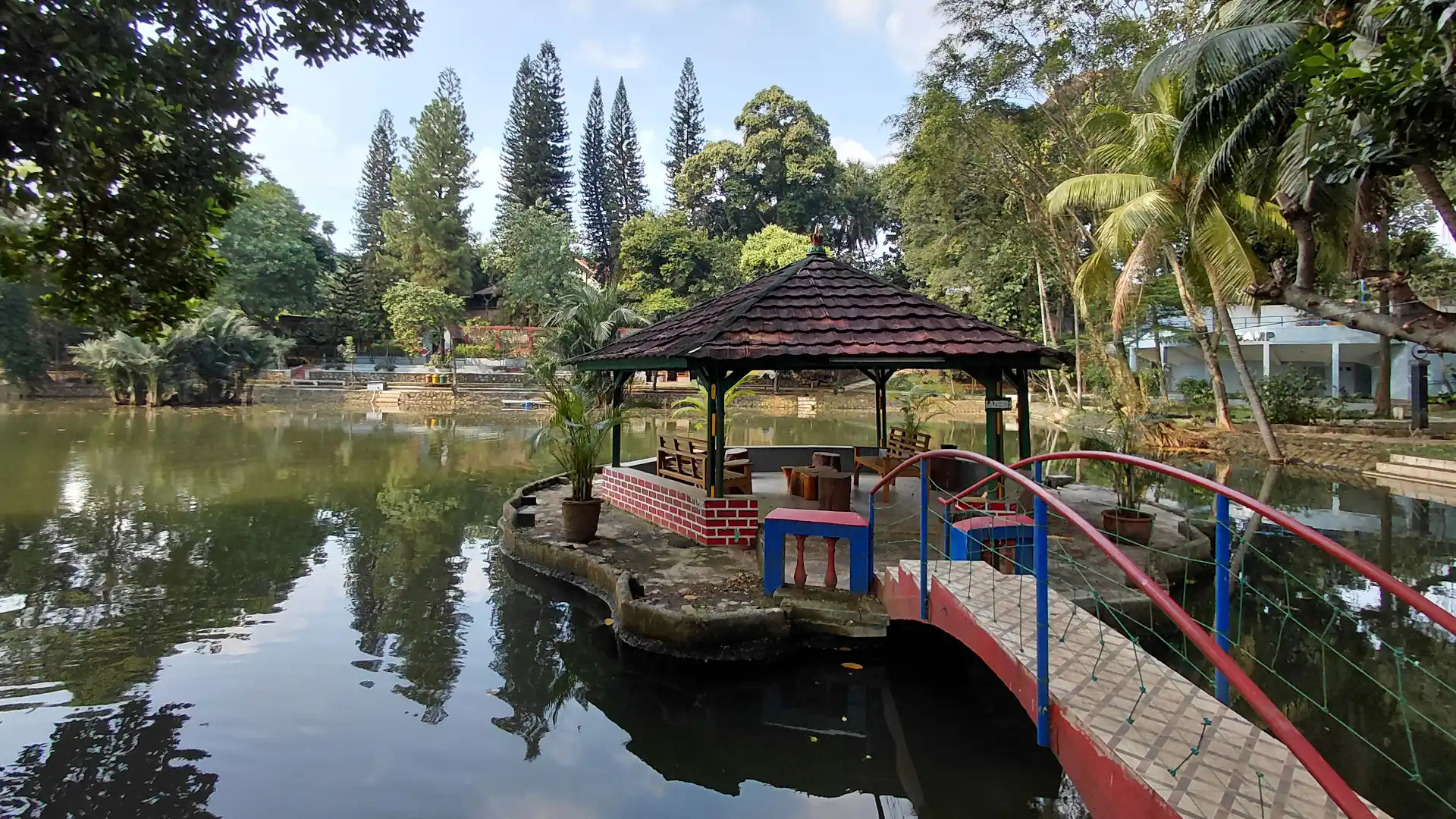 Instead of relying solely on talks, the retreat sessions now include songs and interactive activities. To be effective, retreat guides need to understand the world today’s generation inhabits.
“It helps to have Gen Z sisters and seminarians,” says Fr Agustinus Suharyadi, the centre’s director.
He adds that as retreat facilitators, they follow trends on social media, including TikTok, to communicate the Gospel in ways that resonate with the young generation.
Sr Jeanice, who has been in her congregation only four years, breaks into a smile, her eyes brightening as if she had just discovered something important. “I’m a Gen Z!” she exclaims.
Even so, many young people arrive in Civita burdened by worries too great for their young hearts to bear. Many of them come from broken families and seek comfort and reassurance.
“I feel that the family session is a touching moment for them,” Sr Jeanice says. “They share about their family life and read letters from their parents.”
Fr Suharyadi, who has long served in school and youth ministry, sees Civita as a vital contribution to the Society’s Universal Apostolic Preference of accompanying young people in the creation of a hope-filled future.
“The Catholic Church in Indonesia is very alive,” he says. “But many young people feel hopeless and have trust issues.”
He notes the need to accompany them in their vulnerability, “to live in hope and with faith, to live not just for themselves but for others, to share the Good News of God, and to care for creation”.
Like the natural spring-fed lake at its centre, Civita offers something increasingly rare: depth–a depth that allows young people to feel that they are deeply loved by God and that their lives are meant for something far greater than themselves.


