

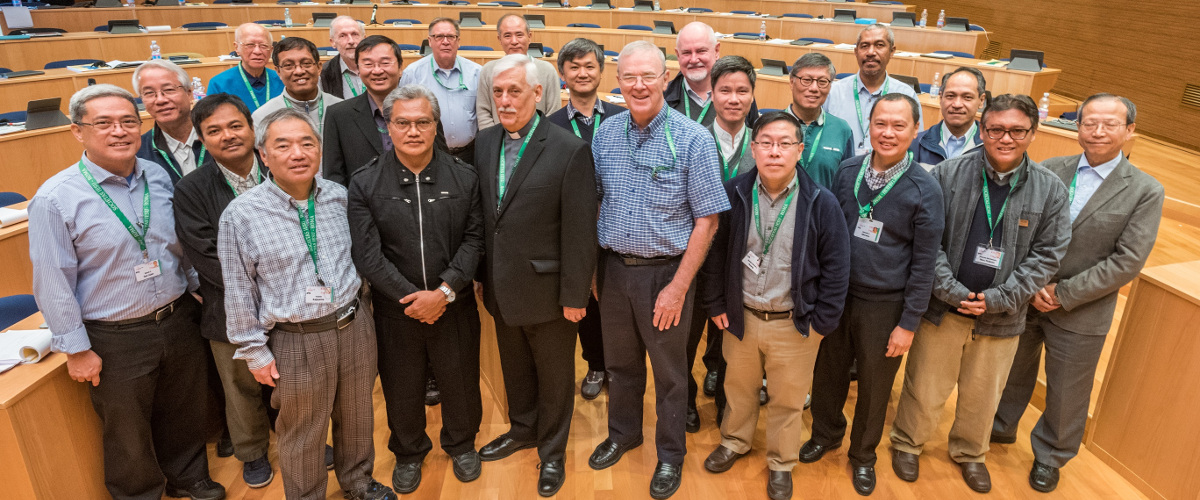
JCAP Electors with Fr General Arturo Sosa at GC 36
JCAP. More and more this acronym is used by Jesuits and collaborators in Asia Pacific and beyond. The change of name from Jesuit Conference of East Asia and Oceania (JCEAO) shortly after General Congregation (GC) 35 in 2008 may have seemed to some a cosmetic change. However the 10 years since the discussion began have shown this perhaps foreshadowed the change that was to come over the Jesuit Conference of Asia Pacific.
With the change of name came new statues to correspond with the clearer mandate given by GC 35 Decree 5, which gave conferences a more pro-active role in promoting the Society’s universal mission. Perhaps more important are the changes in way of proceeding which have imbued the conference with a refreshed spirit and life.
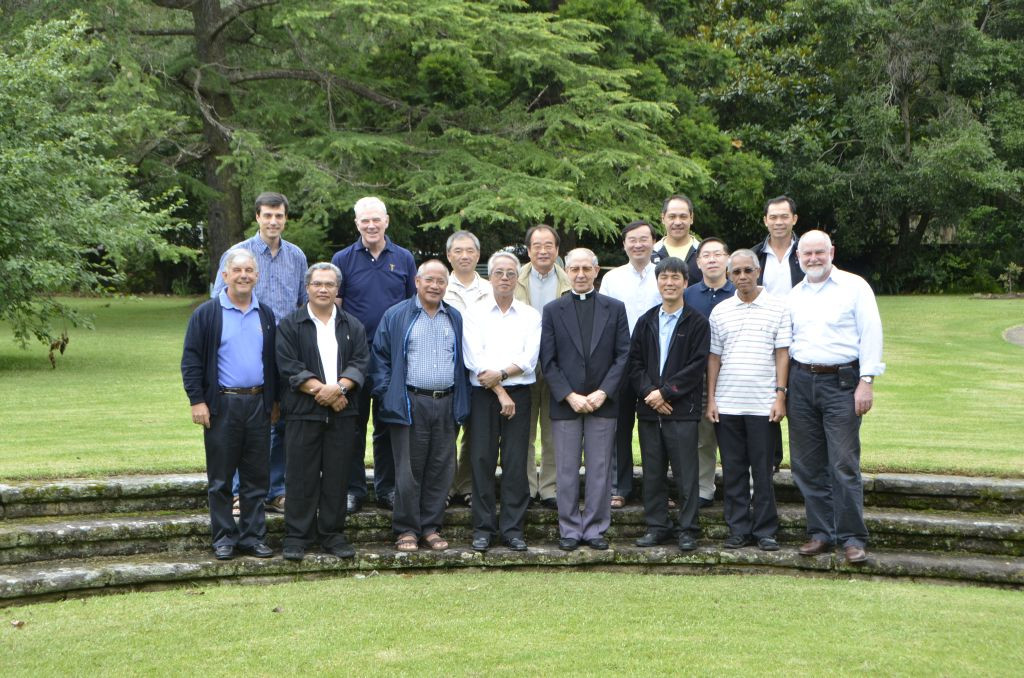
Major Superiors Assembly Sydney 2012
For the major superiors, changes in the terms and format of their biannual assembly have gradually cultivated a sense of co-responsibility and solidarity, mutual support and learning among them, as did the pro-activeness of Fr Mark Raper, JCAP President from 2008 to 2017, in encouraging collaboration and cultivating a sense of universal mission. A survey conducted shortly after GC 35 identified significant needs in Asia Pacific to which the Jesuit mission might best respond, and this data shaped the JCAP apostolic plan for 2014 to 2019.
JCAP in the last decade has seen, in particular, joint action on common mission concerns such as migration, ecology, youth and dialogue with Islam as well as on new and challenging issues. There has been greater sharing of resources and expertise among the major superiors. For example, the Solidarity in Formation Fund, a common fund for formation of Jesuits across the conference, helps to facilitate co-responsibility in practical ways, and the JCAP Disaster Response Protocol, which outlines steps for Jesuit collaborative action for disaster risk reduction and management, paves the way for joint action. A greater willingness to make men available for the needs of JCAP and the smaller units is also apparent, and has its own recruitment slogan – “send the best and keep the rest”.
New models of co-operation within JCAP have developed. An informal consortium comprising several provinces has provided an effective support structure for the East Timor Region, while the Chinese, Japan and Korea provinces have had promising discussions about collaboration on common concerns. Also, several major superiors are now on the board or committee of a common work such as Arrupe International Residence and East Asian Pastoral Institute.
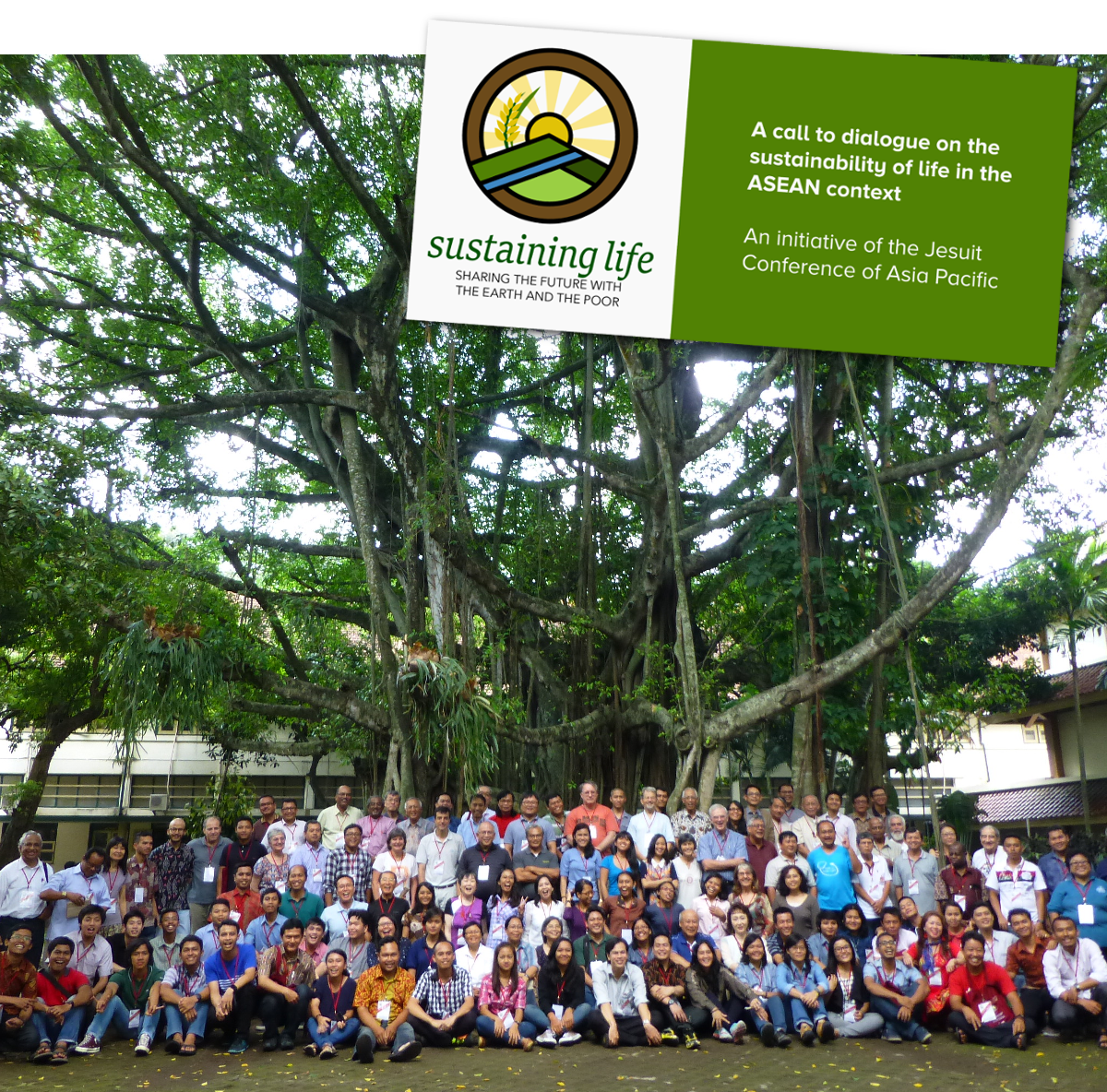
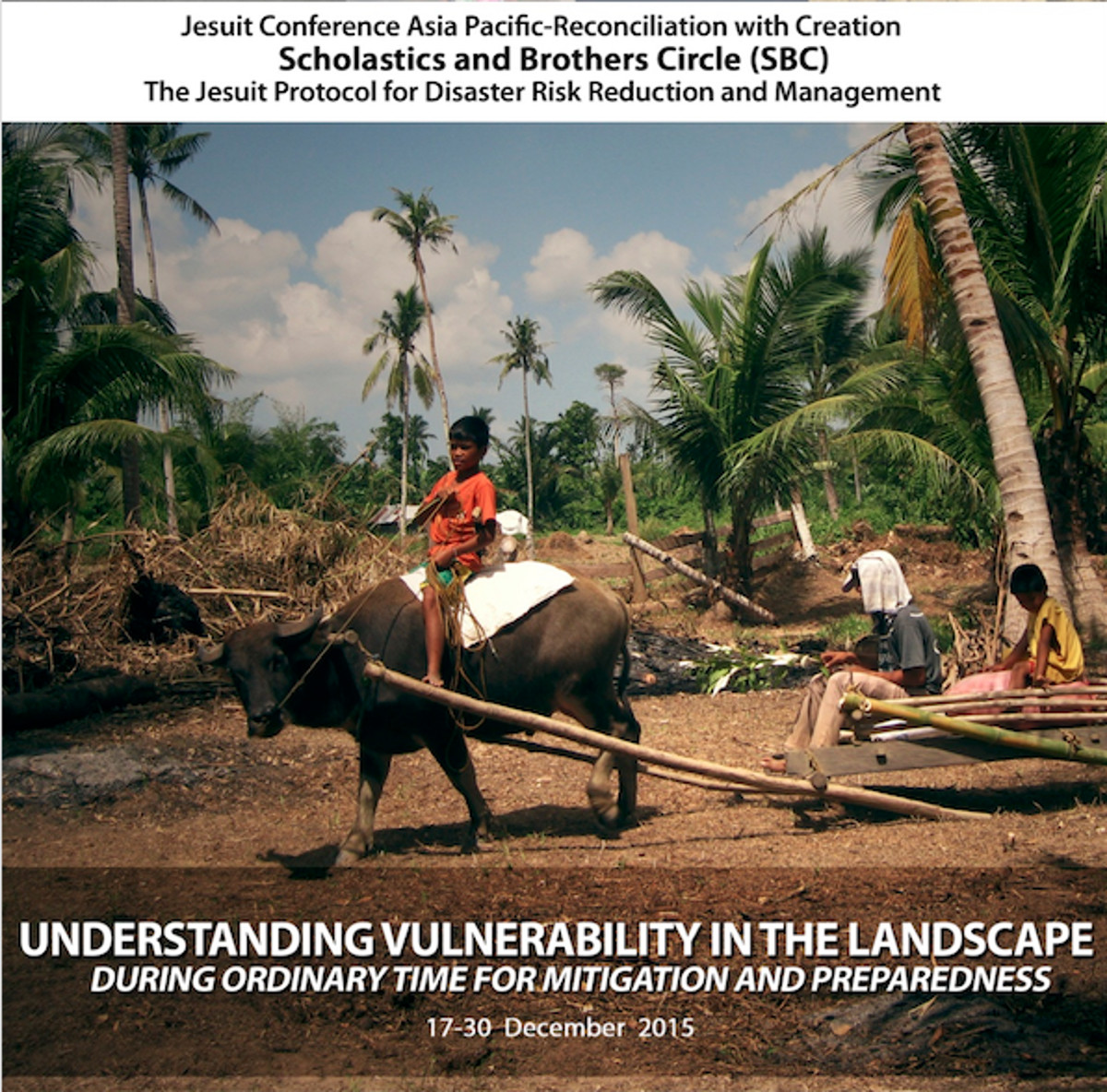 The various sectoral meetings have enhanced collaboration for mission. In recent years, a growing number of projects have seen inter-sectoral collaboration to address concerns such as sustainable development and education. In addition, the meetings have facilitated sharing of knowledge and experience, which has been particularly helpful to those newer to their jobs. Some networks function better than others, and it is clear that the most effective model is when the secretary has a core team to work with. Also, funding from JCAP for these activities has been helpful in realising plans and enabling involvement across all of the conference.
The last few years have seen several training and formation programmes organised at the conference level. These are widely appreciated as an effective way to enhance competencies for mission, deepen charism, instil a sense of being one universal body, and develop a common language and way of proceeding. Some examples are the Local Superiors Workshop, the Leadership Development Programme, workshops for scholastics and training programmes for those in Basic Education.
 The JCAP communication channels have developed remarkably over the last decade, and are another factor that has enhanced collaboration and a sense of universal mission. By facilitating the sharing of information and greater awareness of and participation in conference activities, the JCAP website, e-newsletter and social media platforms have helped to inform and sustain the bonds created by the networks.
Recent years have also seen an increase in the number of laypersons leading conference initiatives, programmes and networks, and they have helped to serve the Society’s mission through their expertise, perspectives and presence as collaborators.
Yet, despite the progress made in mindset change and practical action in the service of the universal mission, there is much room for improvement in several areas. These include succession planning and availability for key roles in the conference, and the need for effective mechanisms for more complex joint action such as the Flights for Forests carbon offset programme, the identification of and reflection on emerging issues that need a collaborative response, for example, human rights and evangelisation, and the contribution of Asian perspectives in theology and spirituality. Also observed is the need for more effective planning by units and institutions, with more structured conference involvement; and for province, conference and universal priorities to be aligned.
In addition, as JCAP embarks in 2018 on the discernment process asked for by GC 36, efforts can be made to realise the potential for shared wisdom and greater coordination in planning responses to mission needs and allocating resources, as well as for more deliberate collaboration and networking for universal mission.
Collaboration and networking across provinces and apostolates are increasingly acknowledged as the essential way of proceeding. This and other lessons learnt in the last decade are among the factors that will guide the new president, Fr Tony Moreno SJ, and major superiors of the seven provinces, three regions and two missions as they discern the way of proceeding for the Jesuit Conference of Asia Pacific to better serve the Society’s mission.


