

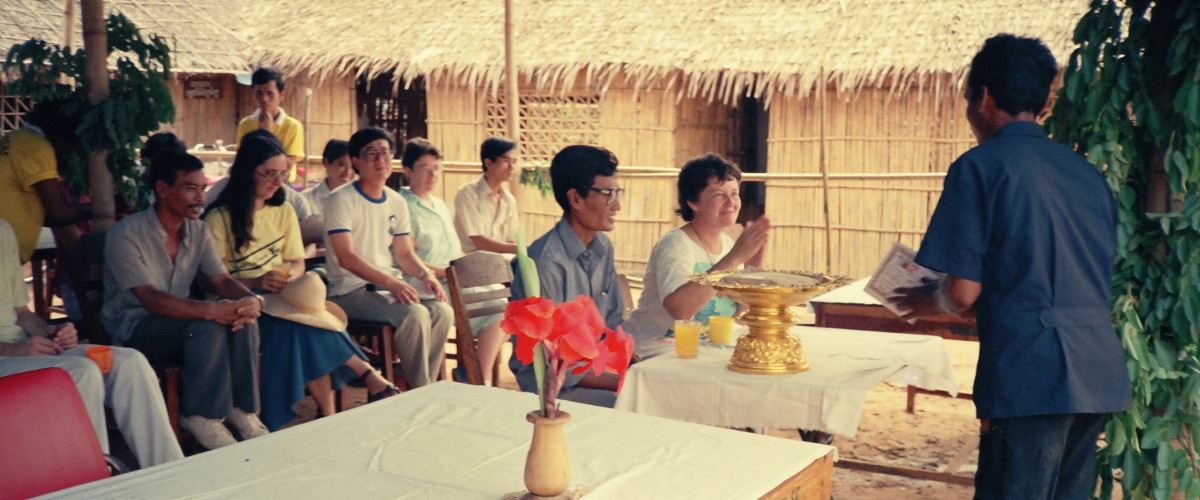
 Women religious partnerships with JRS have become a vital element in aiding displaced people wherever there is need. This was the case 37 years ago, when then Jesuit Superior General, Pedro Arrupe SJ, galvanised the international Jesuit community to aid refugees and created the Jesuit Refugee Service. Then, as now, JRS knew that the efficacy of its initiatives depended on collaborations with both lay people and other religious communities.
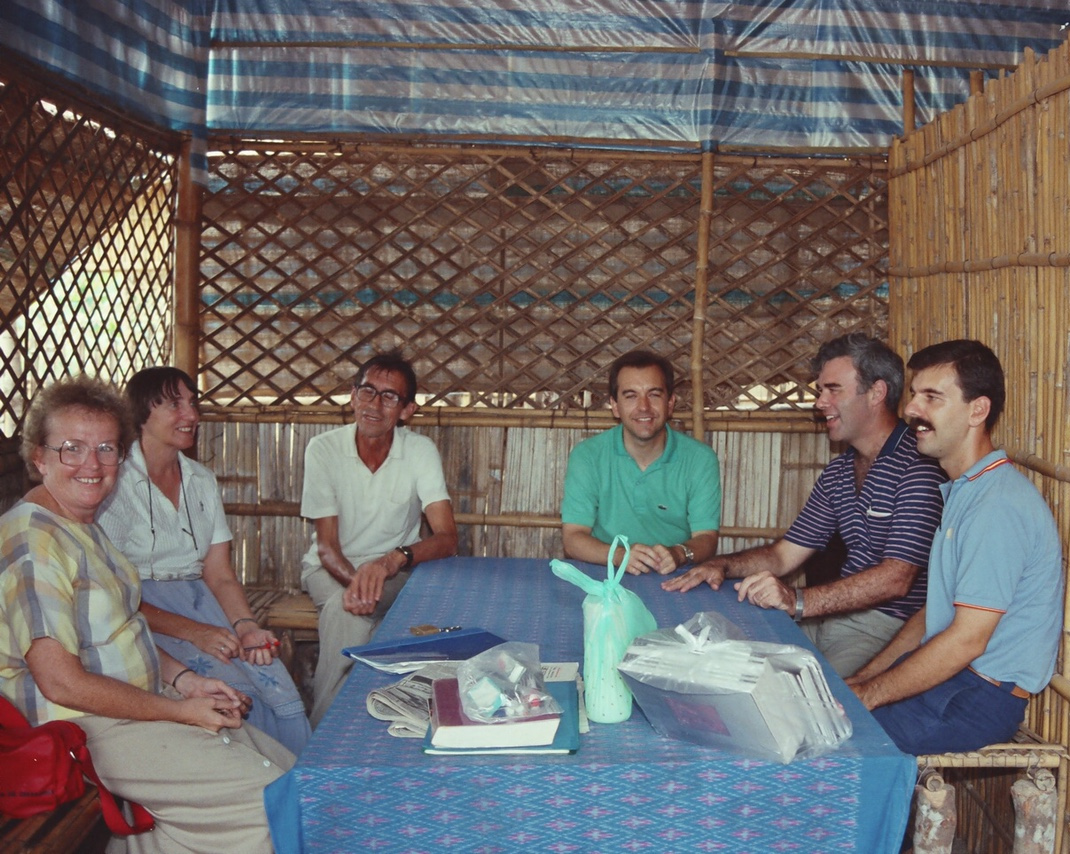 “For JRS to develop in its service, we Jesuits have to realise that we cannot do it alone … we take ultimate responsibility for the work … in operation it is essentially a network of myriad partnerships,” wrote Australian Jesuit Mark Raper SJ in an address he made during a conference to honour the Religious Sisters of Mercy (RSM) in 2002. Fr Raper was then Director of JRS Asia Pacific, established to aid people displaced and affected by wars in Southeast Asia. During his tenure, he invited a small group of RSM sisters to work with the Jesuits in refugee camps. These stalwart educators and administrators established schools and other learning incentives, and they became an integral part of the community there.
In 1988, Sr Denise Coghlan RSM was one of the Mercy Sisters who journeyed from her native Australia to a refugee camp on the Thai-Cambodian border, to work in education initiatives. “I had gone there to replace one of our sisters and since I was the only one willing to go, I wasn’t especially selected for the job,” she jokes. In 1990, she and others who had worked at the border went to Cambodia to assist with peacemaking efforts during repatriation. “It was a journey to promote reconciliation and diversity. We had men working with women, Buddhists working with Christians and disabled working with nondisabled.”
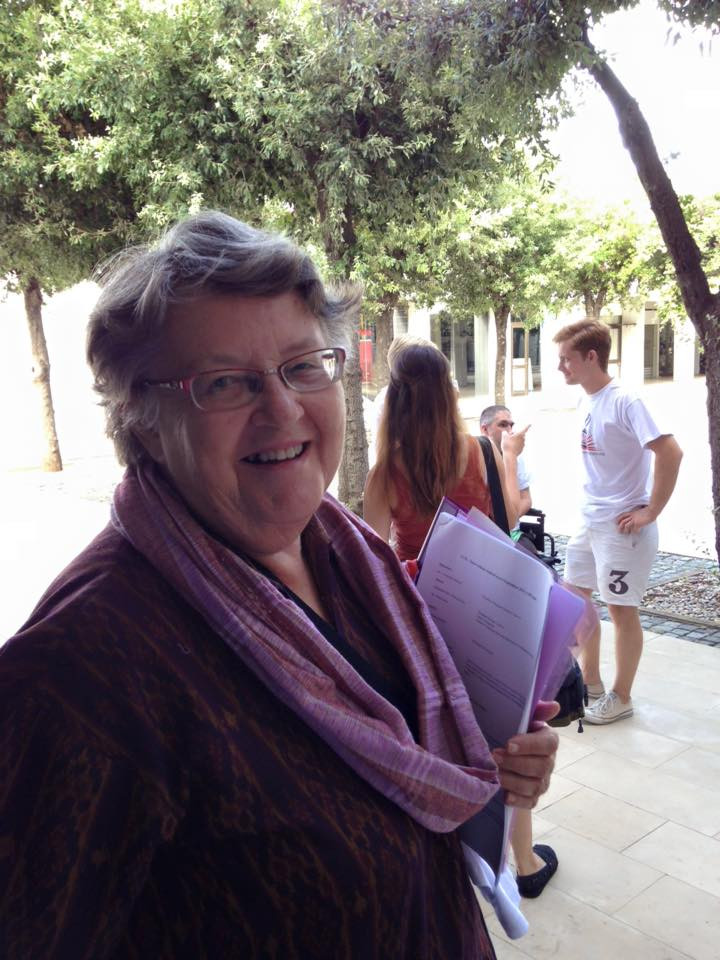 Countless landmines were planted in Cambodia during the war, and while working in the camps, Sr Denise met hundreds of people who had lost limbs to landmine accidents. She later worked with a group of staunch anti-landmine activists, and their work resulted in both the 1997 Mine Ban Treaty and a Nobel Prize win. She was also instrumental in promoting global awareness of landmine-related disabilities. Now Director of JRS Cambodia, Sr Denise sums up her 30-year working relationship with Jesuit initiatives as a period that enriched her knowledge of the world. “My time with JRS Asia Pacific has given me insights into the complex realities of different people, especially the marginalised,” she says. “Overall it’s been a sobering and humbling experience.”
In 1995, during the General Congregation 34 (GC 34), the Society addressed the role of lay and religious women within the framework of Jesuit projects in a decree entitled, “Jesuits and the Situation of Women in Church and Civil Society”.
“This was an important step for us,” says Fr Joseph Xavier SJ, Deputy International Director at JRS. “We Jesuits had to acknowledge that we had limited interaction with the better half of humanity. Collaborating with women religious created a more holistic understanding of refugees as a community … It was an eye-opening experience watching them engage with refugees through their own spiritual gifts, in ways we Jesuits could not.”
In his 2002 commemorative address to the community of Mercy Sisters, Fr Raper said, “The Mercy Sisters were welcome to join JRS, but first they should be clear about how they can serve the refugees according to their charism. They should not simply be absorbed into JRS as individuals, rather they should ask how, as a body, they could join forces with JRS.”
This is an excerpt from Sisters and the Society: Women religious partnerships with JRS, an article in the April 2017 issue of the Jesuit Refugee Service publication Servir.


