
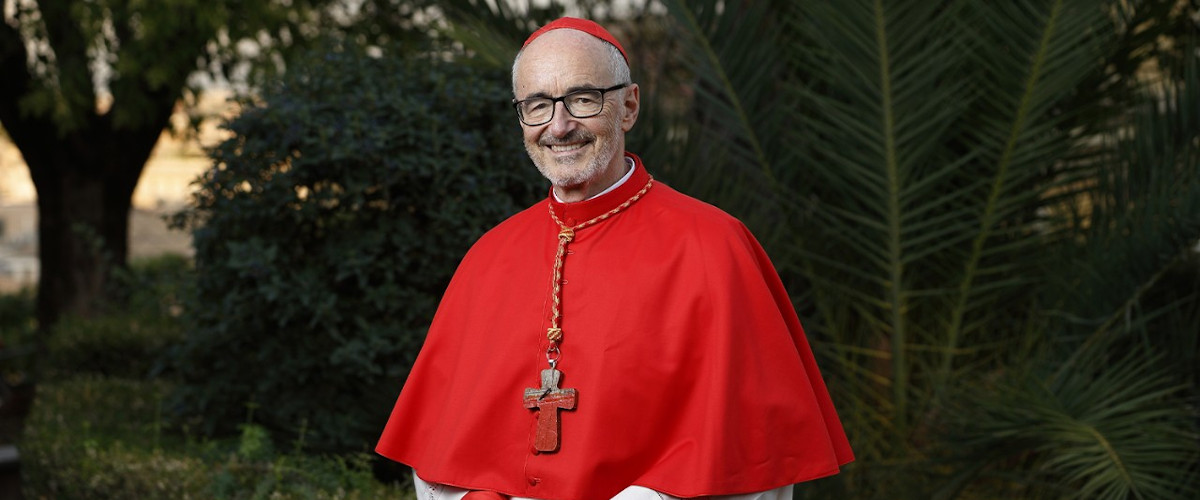
 Sophia University in Tokyo held an online lecture with Cardinal Michael Czerny SJ, Undersecretary of the Migrant and Refugee Section of the Holy See, on 27 November. This event was the last of a series of lectures organised for the commemoration of the anniversary of Pope Francis’ visit to Japan and to Sophia University in 2019.
Focusing his address on the teaching of the Holy Father, especially his recent homilies and letters, and the encyclical Fratelli Tutti, Cardinal Czerny pointed out three important lessons. First, the pandemic has made us realise that we are all in the same boat; we find ourselves afraid and lost. Second, although we are on this one boat, not all are on the same deck or class. The most affected by the pandemic are the poor – migrants and refugees, among them. Third, in such a context, the response of this generation of young people in desiring to forge a better world is ever more relevant.
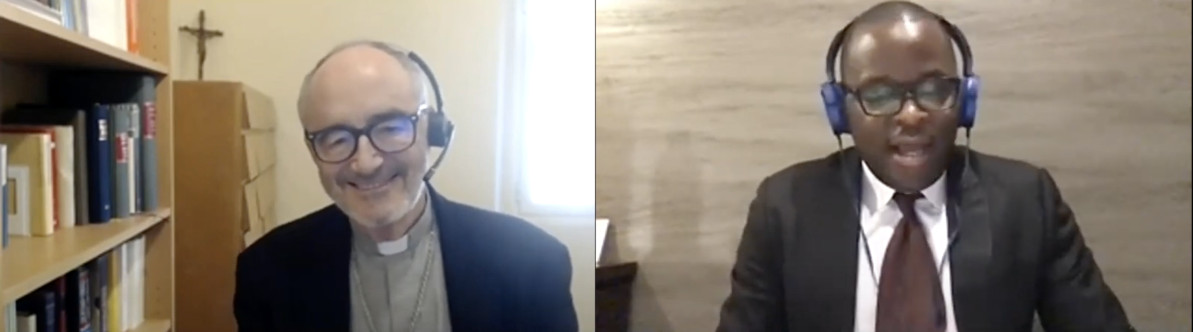 The Jesuit Cardinal, who was born in the old Czechoslovakia but immigrated with his parents to Canada when he was two years old, stressed the importance of dialogue between the old and young generations, and of nurturing our sense of history and common narrative.
It is up to the young people to “embrace the human and spiritual riches that come from past generations,” he said, adding that this new generation is called “to lead in openness to migrants and refugees, to those who are different from us”.
Fratelli Tutti, the Cardinal said, gives us a moral roadmap to emerge stronger, less fearful, and more human. He challenged the young people to forge this future by extending a welcoming hand to migrants, refugees, and all vulnerable and marginalised people.
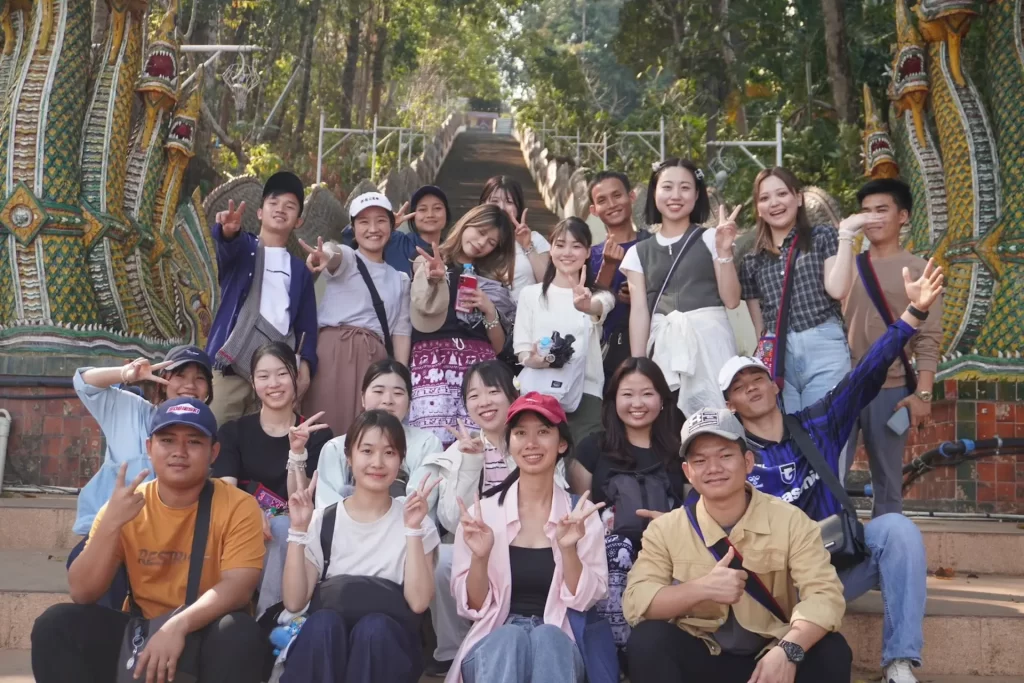
The young people in the lecture raised many questions to which Cardinal Czerny gave insightful answers. Their questions touched on a wide range of topics, covering the global response to the pandemic and dialogue among religions; the pandemic and international politics between the Holy See, United States, and China; the situation of migrants and refugees in Italy and Japan; Catholic non-profit organisations who are supporting refugees; and sexual abuse in the church.
You can watch the entire lecture here.
Read the full text of Cardinal Czerny’s address here.
Related story: One year on, remembering Pope Francis’ visit to Japan and Sophia University