
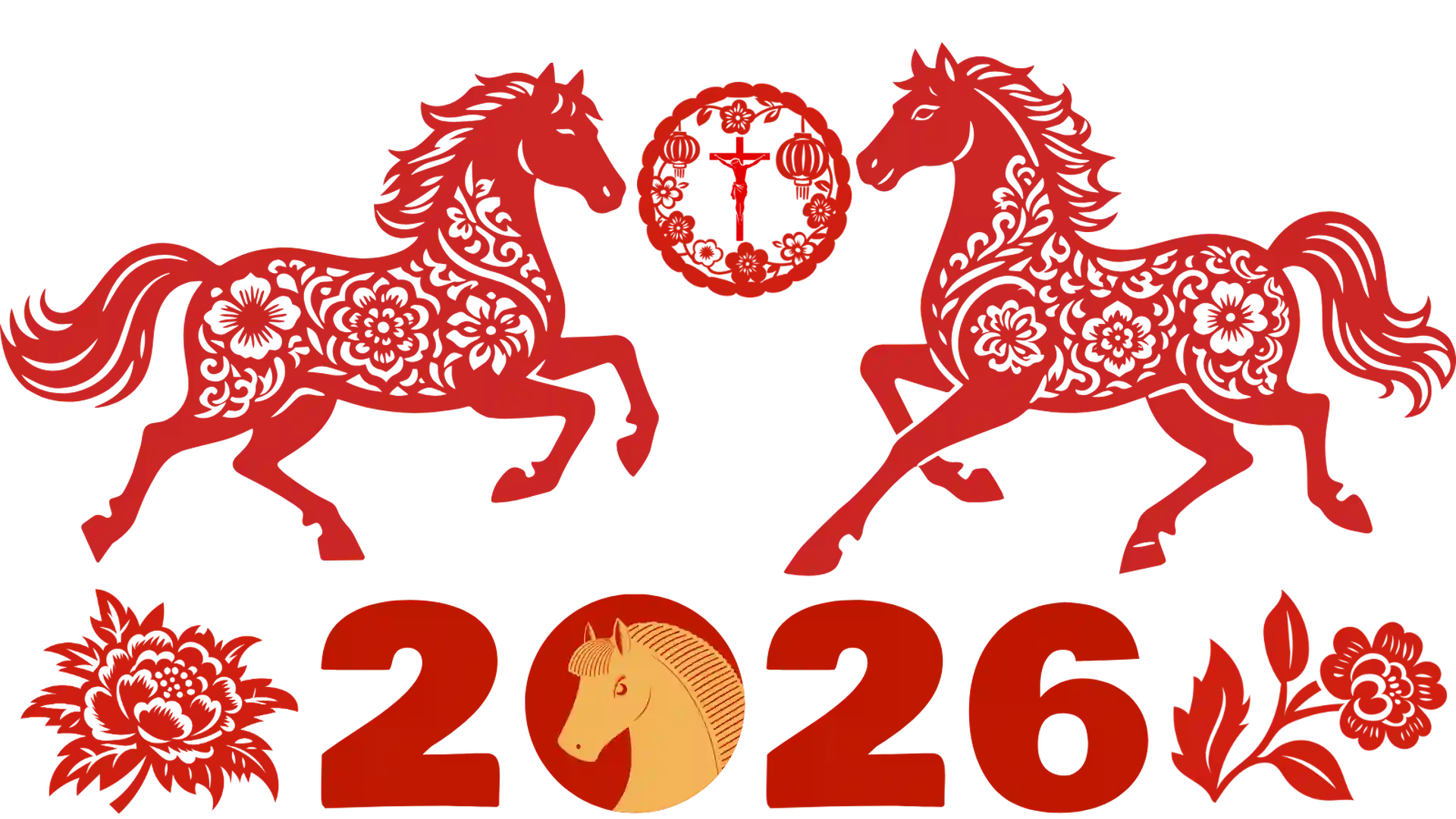
 As we saunter into the Lunar New Year on 17 February, neighing with the dynamic spirit of the horse, we are invited to reflect on the steed’s connection with self-reliance or reliance on God in Scripture. The portrayal of the horse in the Bible is a powerful, dual-faceted symbol of where we place our dependence and trust. On one hand, the horse represents human strength, speed, and the intoxicating illusion of control. On the other hand, it is a majestic instrument of divine purpose, carrying God’s messengers and His ultimate victory. For us, the turn of this year is a sacred moment to examine who holds the reins of our lives—us or God—and where true strength comes from—us or God.
In Scripture, horses are most often associated with military power, human might, prowess, and warfare. They were prized assets on the battlefield and often linked to human confidence in worldly strength. Yet to trust in earthly strength above God is to chase a vanishing hope. The psalmist declares, “The warhorse is a false hope for salvation, and by its great might it cannot rescue” (Ps 33:17). In another psalm it says, “Some trust in chariots and some in horses, but we trust in the name of the Lord our God” (Ps 20:7). The Lord God told the kings of Israel not to multiply horses among themselves, warning that reliance on such strength could distract them and the people from dependence on God (cf Dt 17:16).
Therefore, the horse symbolises every resource we amass to feel secure and powerful without God—our finances, our intellect, our social status, or our stubborn self-will. We find ways to be independent from God.
On top of that, the horse is also a symbol of control—a reminder of the temptation to control our own lives, circumstances, and futures apart from God. The temptation to trust in our accomplishments, positions, possessions, or intellect over God’s wisdom parallels the ancient temptation to trust in chariots and warhorses; thus, it is we who hold the reins of the horse.
However, the Bible does not merely condemn the horse’s power; it also reorients it positively. One example is the celestial horses and chariots of fire protecting Elisha (2 Kg 6:17), and another example is the mysterious riders on horses sent to patrol the earth in Zechariah’s vision (Zec 1:10). All these examples culminate in the glorious return of Christ, Faithful and True, King of kings and Lord of lords, riding a white horse (Rev 19:11). Here, the symbol is transformed. The horse is no longer a tool of human pride and control but a vessel of God’s righteous judgement and sovereign rule.
The Year of the Horse thus calls us to do a courageous annual examen. Do we charge ahead with our own strength or rely on God? Who holds the reins? We or God? We who hold the earthly human strength of the horse that fails, or God who with divine strength sustains the horse? We consciously surrender our reins to Christ, because by surrendering our illusion of control, we find true freedom.