

 *Xiaomei, holding a baby in her arms, shifts in her seat. The social worker looks at the certificates on the wall and asks: “Are these all yours?” Xiaomei comforts her infant daughter while stopping a quarrel between her two younger sisters from escalating. She says softly: “Yes! Almost all of them. This one is from a school exam; this is an attendance award; and that one is when I won a running contest! Look, those trophies in the cabinet are also mine. I should have won the championship in the boxing event, but because my teammates were too noisy, the referee called a foul, and I became the runner-up.” “Weren’t you sad at that time?” asks the social worker. Xiaomei looks fondly at the baby in her arms and replies: “It doesn’t matter. I think runner-up is also very good!”
Xiaomei became a mother when she was not yet 17 years old, and the child’s father had just turned 18. Both of them are aboriginal people, and both come from problematic families, with their parents unable to give them the proper support they need. Xiaomei had to stop school to take care of the baby, while the child’s father worked odd jobs at the construction site to support them. As a young mother, Xiaomei lives a different life than women her age. While students complain about their exam being too difficult, Xiaomei worries about the baby in her arms. She has grown mature and thin from her life experience.
The dilemma of social service organisations is that they want to inform the public about the plight of the people in their care so resources could come in, but at the same time, they must protect the privacy of these people. The Rerum Novarum Center in Taipei has been engaged in aboriginal youth training and service work in Zhudong, Hsinchu County for many years. Since aboriginal people have their own distinct culture, they often have to struggle against systemic discrimination and exclusion. Their experience is different from the experience of Han Chinese, the dominant ethnic group in Taiwan, who from childhood learn how to interact with mainstream Taiwanese society.
 People also have general impressions about aboriginal people, such as their happy disposition, and their interesting way of speaking. These impressions may sound delightful, however, the truth is often very cruel, especially when they enter the educational system. Aboriginal children cannot compete with the rest of the students. The content of the course is relatively unfamiliar to them, and the contents of their textbooks are very different from their life experiences. Their lessons do not resonate with them, let alone arouse their interest.
People hope that disadvantaged groups can rise above their status in life through education, and the public is quick to laud special cases wherein an aboriginal person achieved success through education, but the reality is that most aboriginal youth are limited by their resources and are challenged by the system. In the face of mainstream education, what we see in them is fear rather than hope, and what may constitute as deviant behaviours in the eyes of the public, such as dropping out of school, joining gangs, or even having children out of wedlock. What results is more condemnation and disappointment than understanding of their situation.
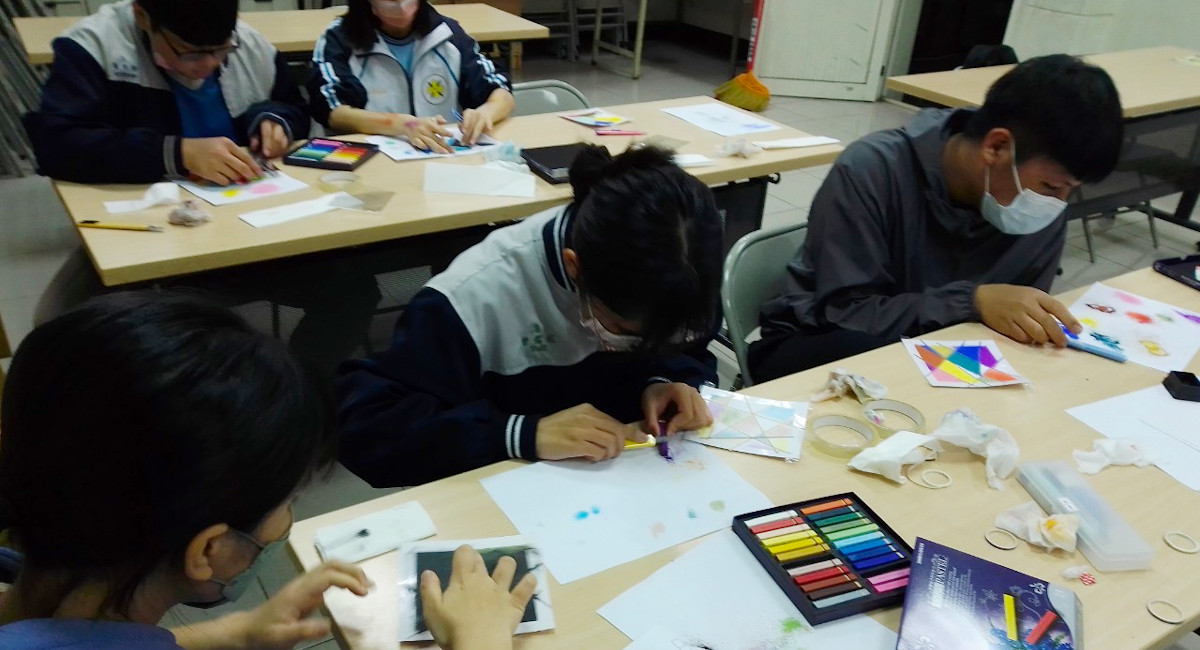
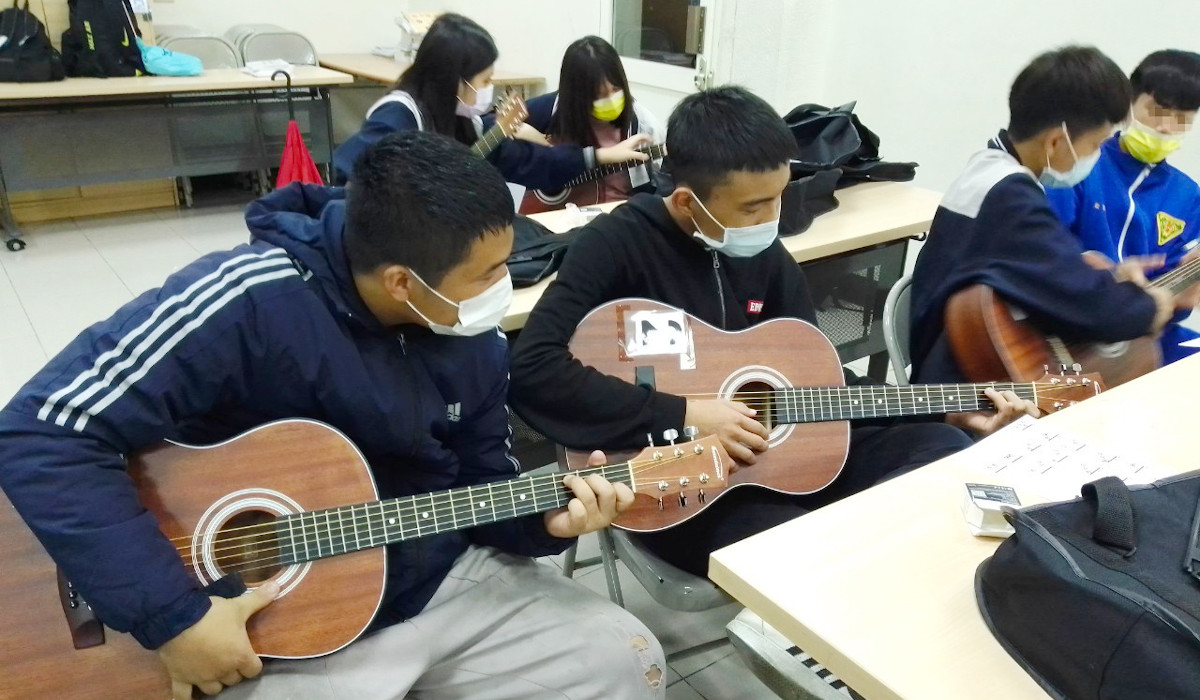
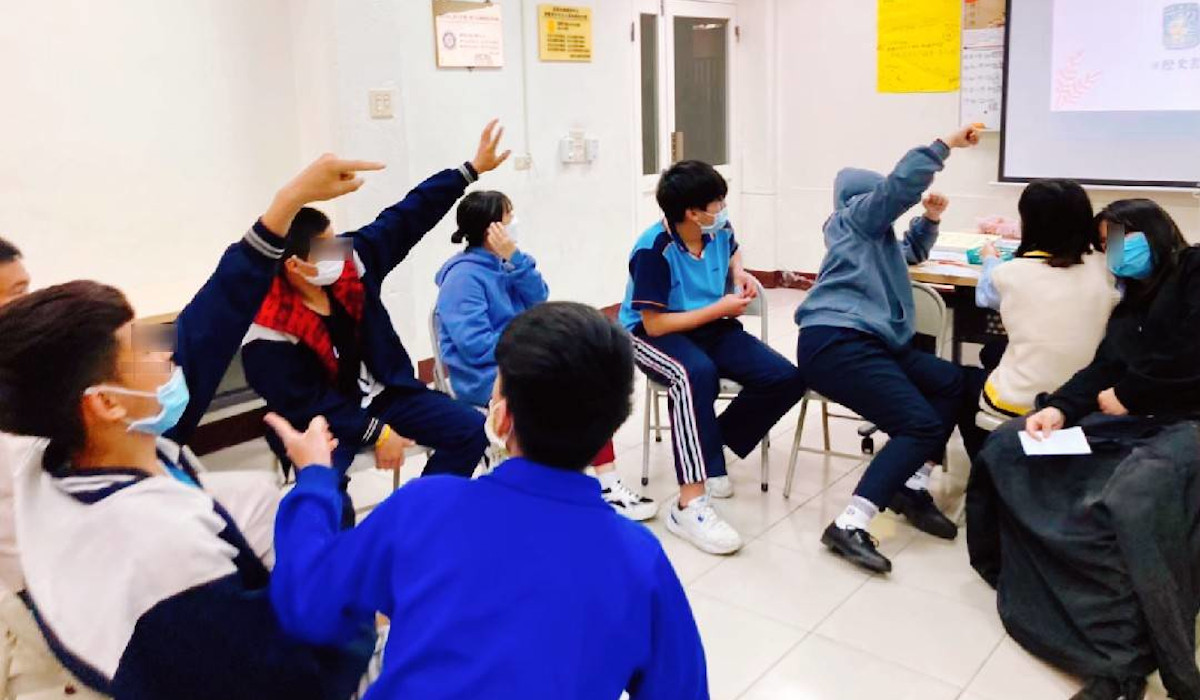
Aboriginal students desire a sense of achievement and belonging. Thus, Rerum Novarum’s after-school companionship and learning services include learning resources from different networks, as well as a dream realisation plan for aboriginal teenagers. Being able to see their own value and perceive different paths for success that are not limited to the framework of mainstream society help to make them feel more free to choose the courses they want to take up. This enables them to develop more interests and abilities, express themselves, and gain a sense of achievement through enhanced skills and knowledge.
 “Actually, I used to have a lot of dreams. I wanted to be a track and field coach, and a boxer. I used to run really fast,” muses Xiaomei, while watching her younger sisters play with a basketball in a dimly lit street. “You can still do it now!” says the social worker. Xiaomei smiles: “I can’t help it. I have to take care of my child now. And after giving birth, I can’t run as fast anymore.”
Creating a fair society for disadvantaged children is a difficult challenge, and something that cannot be done right away. But there are efforts that can be made to prevent the same thing that happened to Xiaomei from happening to more young people, and to provide them more understanding and support. The Rerum Novarum Center is grateful to the many people who support the Aboriginal Youth Development and Dream Project, which not only brings hope to children, but also gives the staff great motivation to continue to work hard. [Rerum Novarum Center]
*not her real name


