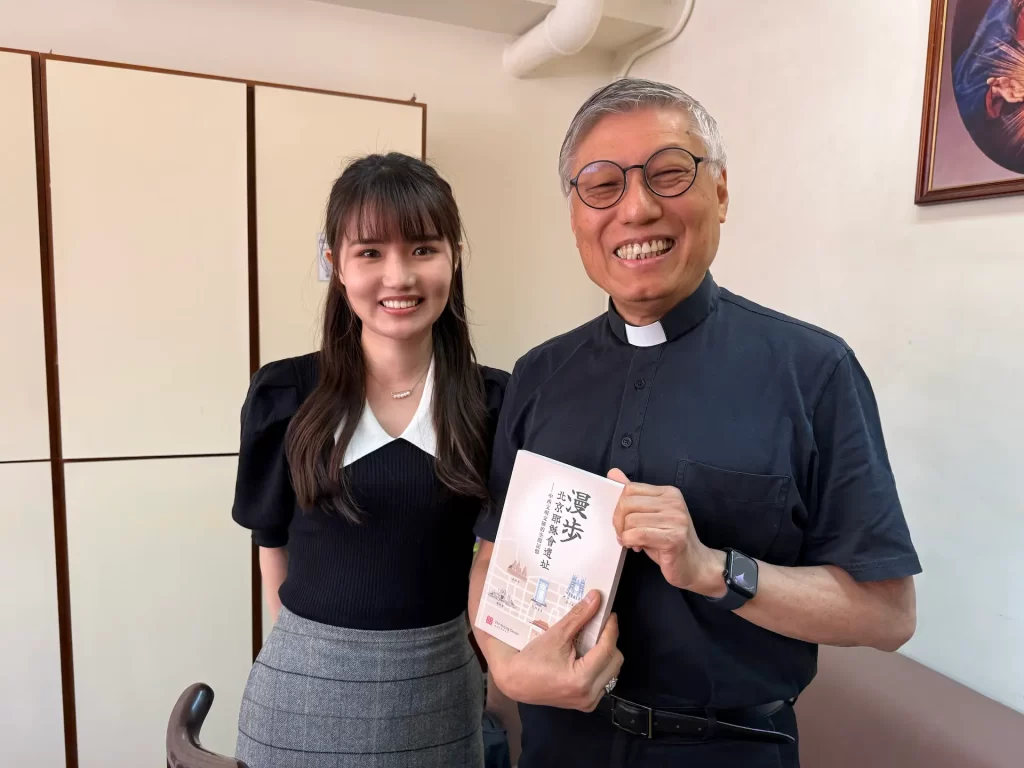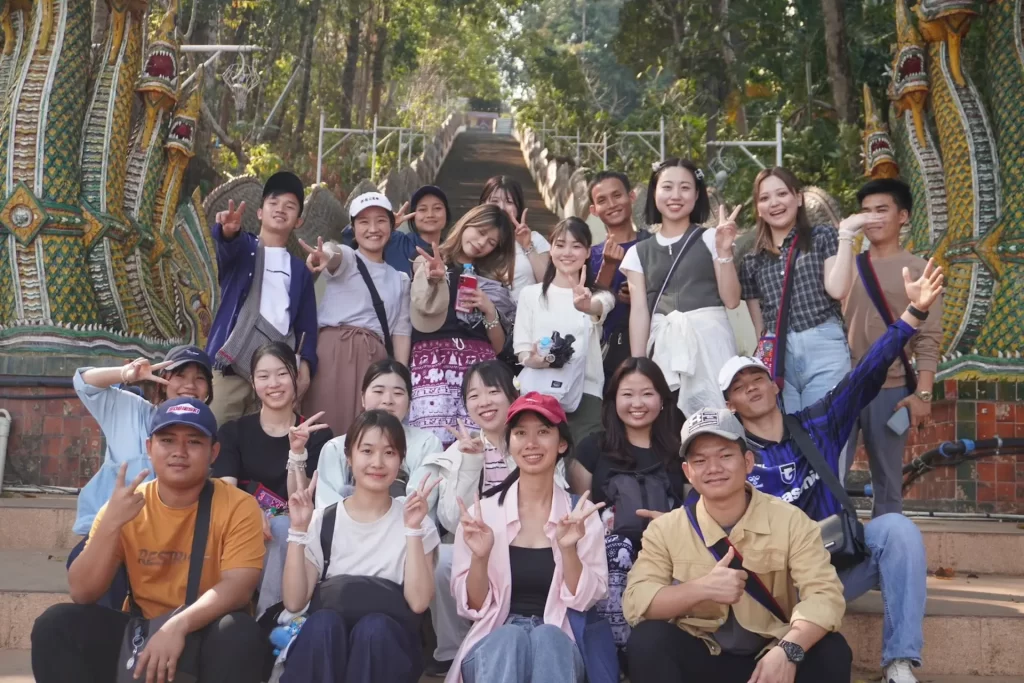

 The Asia Pacific Contextual Theology for Engagement Program (ACOTEP) is an immersion experience offered by the Loyola School of Theology as an intersession course. It seeks to provide participants—priests, religious, and lay people—with an opportunity to understand the ancestral wisdom and mysticism of Indigenous peoples.
This year’s ACOTEP, held from 24 May to 1 June in Sabah, Malaysia, was organised by the Reconciliation with Creation ministry and the Jesuit Companions in Indigenous Ministry network.
The following is a reflection from one of the participants.
In October of 2024, I found myself wading through the worst flood my community had ever faced. Severe Tropical Storm Kristine submerged our beloved Naga City, a painful reminder that the climate crisis is no longer a distant threat. It is here, and no one is untouched.
A few weeks later, I travelled to Chiang Rai, Thailand. Our local driver shared that he too had just survived the worst flood of his life. Though we spoke through a translation app, I felt deeply connected to him. Back home, 16 lives were lost in our city alone, and one was still missing; when I checked the news, I was stunned to learn that the same number had died in Chiang Rai and Chiang Mai. This haunting parallelism reminded me of how deeply connected we all are on this shared, fragile planet.
It was perhaps no coincidence that when I climbed Mt Kinabalu in Sabah in June this year, it was the 10th anniversary of the tragic Kinabalu earthquake that claimed lives and scarred this mountain. It was yet another reminder of how powerful yet fragile creation is and how human negligence can deepen its wounds.
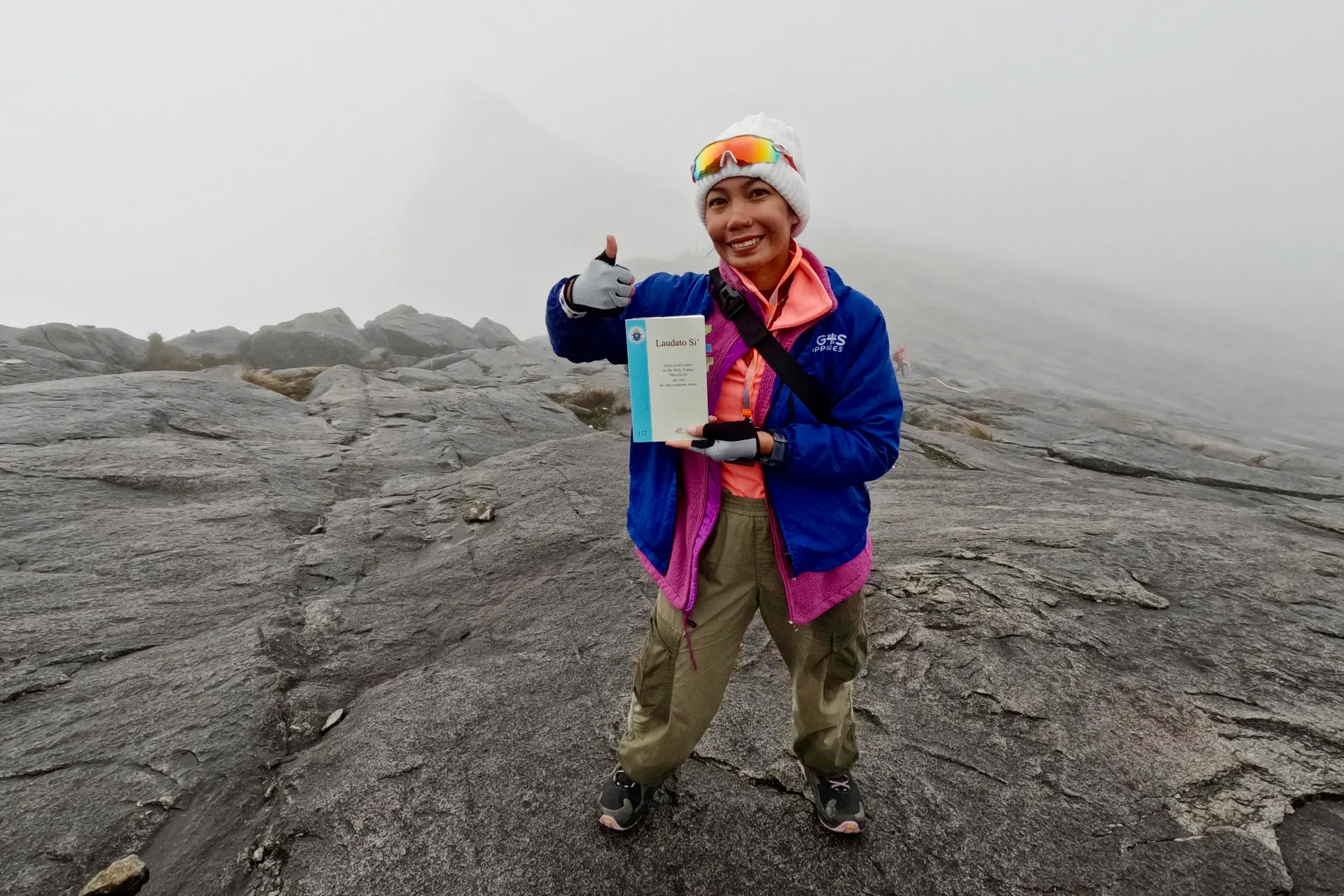
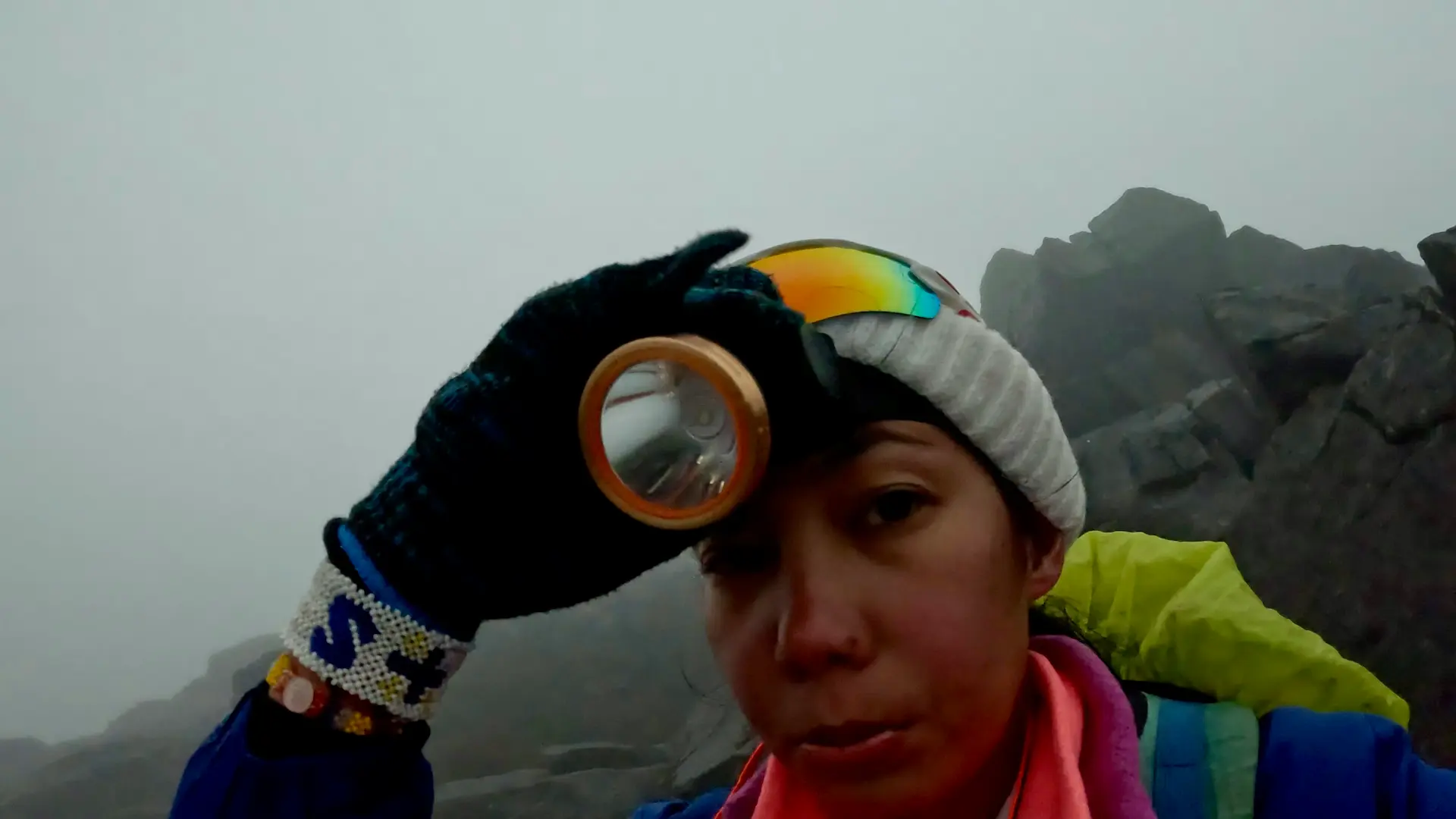
This year also marks the 10th anniversary of Laudato sí’, Pope Francis’ encyclical urging us to care for our common home. I carried a copy of the encyclical in my backpack like it was my headlamp for the hike, grateful for how it illuminates the shadows cast by environmental degradation and invites us to see creation and our relationship with it with new eyes. Since I first read Laudato sí, I have tried to live more mindfully, though my own ecological conversion is still unfolding.
 Mt Kinabalu is Malaysia’s tallest peak and the second highest in Southeast Asia at 4,095 metres above sea level. Climbing it was the perfect culmination of our 10-day Asia Pacific Contextual Theological Encounter Programme (ACOTEP) experience.
I prepared carefully for the hike days prior by staying hydrated, carb-loading, taking altitude tablets, and doing my shakeout run. Filipino journalist Kara David’s documentary on Mt Kinabalu reminded me that climbing this sacred mountain demands serious preparations. To me, it felt like a pilgrimage.
We began at Timpohon Gate. Barely a hundred metres in, I was already catching my breath. I reminded myself to trust my pace and to take it slow and steady. The six-hour trek to Panalaban Basecamp wound through misty forests and endless stairs, with cute squirrels peeking from trees and rest stops. The cold greeted me at base camp, creeping in through the night and into our early morning ascent. I was thankful that I had worn six layers of clothes: a shirt, two fleece jackets, an outer jacket, and two pairs of pants, in addition to gloves, socks, and a bonnet.
A strong headache struck me that evening, likely from altitude and dehydration, made worse by missing breakfast after an allergic reaction to a new soap. I learnt the hard way never to try new products on big days.
On our second day, we began the final push at 2:30 a.m. It was dark and freezing with occasional rain showers, just like the first day, but a quiet fire of excitement burnt inside me. Though the sunrise hid behind a thick fog at Low’s Peak, standing on the summit felt like stepping into a silent and beautiful chapel. Climbing mountains often feels like prayer for me. It’s always humbling and keeps me grounded in gratitude.
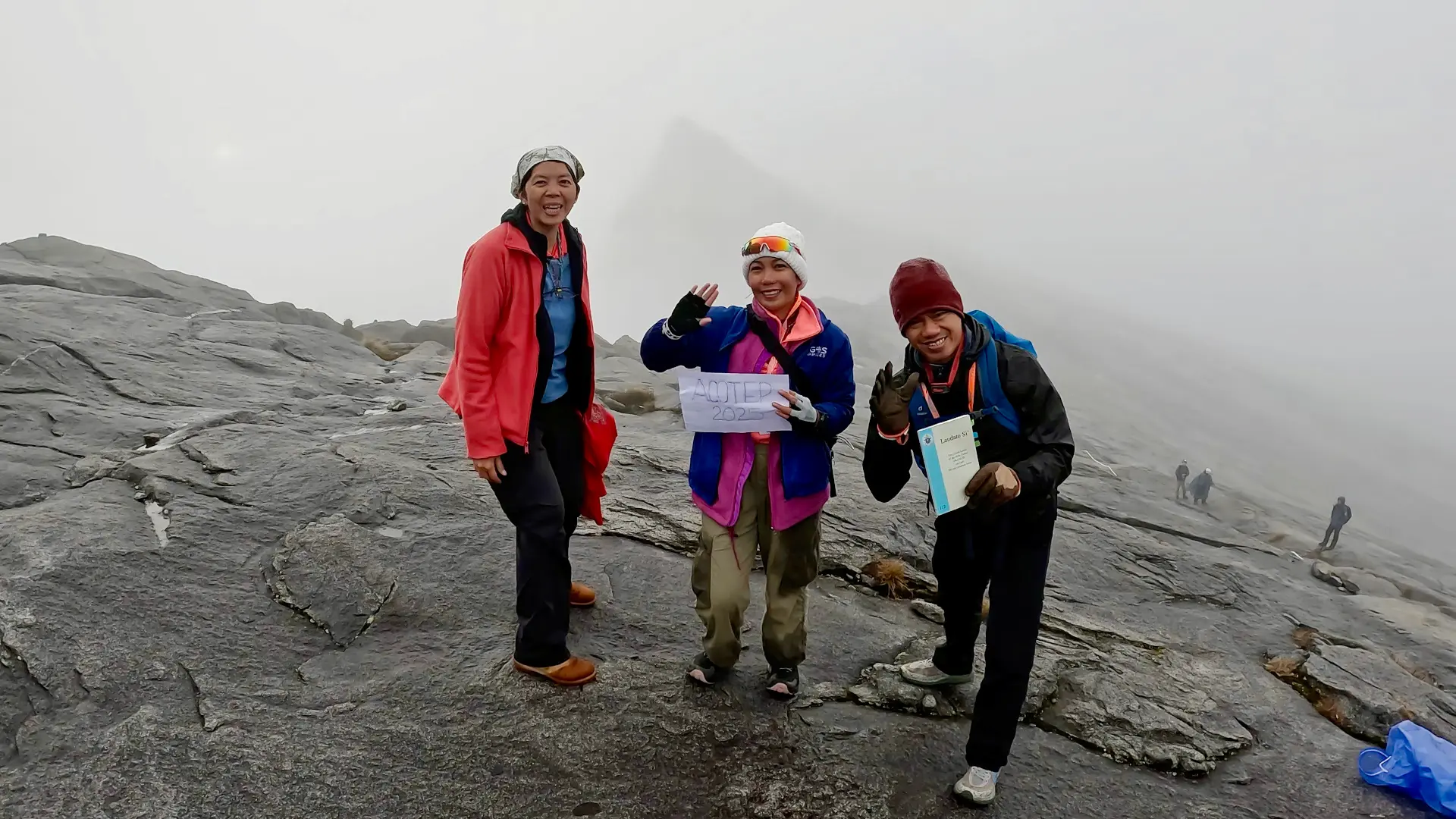
The author with fellow Filipino climbers
The descent surprised me. The six-hour climb up to the base camp turned into a two-hour run down to the gate, thanks to our companion who encouraged me to keep pace.
This pilgrimage was made richer by the people who journeyed with me. Our porter was a friend from our ACOTEP village immersion, and our guide was the brother of someone who had welcomed us there. Jeanny, who cared for us throughout the programme, came to send us off at the jump-off point. My two Filipino companions were constant sources of courage and laughter. Along the trail, I met two other hikers, and we quietly encouraged each other until base camp.
Each summit calms my fears and renews my faith. In those high, cold places, I feel close to God’s creation, Mother Nature, and Mother Mary’s gentle protection. Climbing stirs in me a deep love for life and helps me understand why Jesus withdrew to the mountain to pray. For me, each climb is a prayer in motion — silent, simple, and full of awe.
Despite nature’s beauty, we cannot ignore the wounds we continue to inflict on our Common Home. Wars and greed worsen the destruction, and many leaders remain hesitant to act boldly. Sometimes, I feel anger and sorrow, but then I often remember Pope Francis’ words in Laudato Si’: “May our struggles and our concern for this planet never take away the joy of our hope.”
Climbing mountains helps me keep that hope alive. Each trail and summit draws me to loving Sister Earth more deeply and desiring to protect her. From this love, true change can grow. Laudato Si’. Laudate Deum!