

 In the third week of October, 32 Year 10 students from St Ignatius’ College Riverview in Sydney took part in the Australian Jesuit Schools Ecology Conference, a two-day event dedicated to exploring the vital relationship between ecology and leadership. The conference invited students to reflect deeply on their role as young leaders called to care for our common home, guided by the Ignatian values of awareness, reflection, and action.
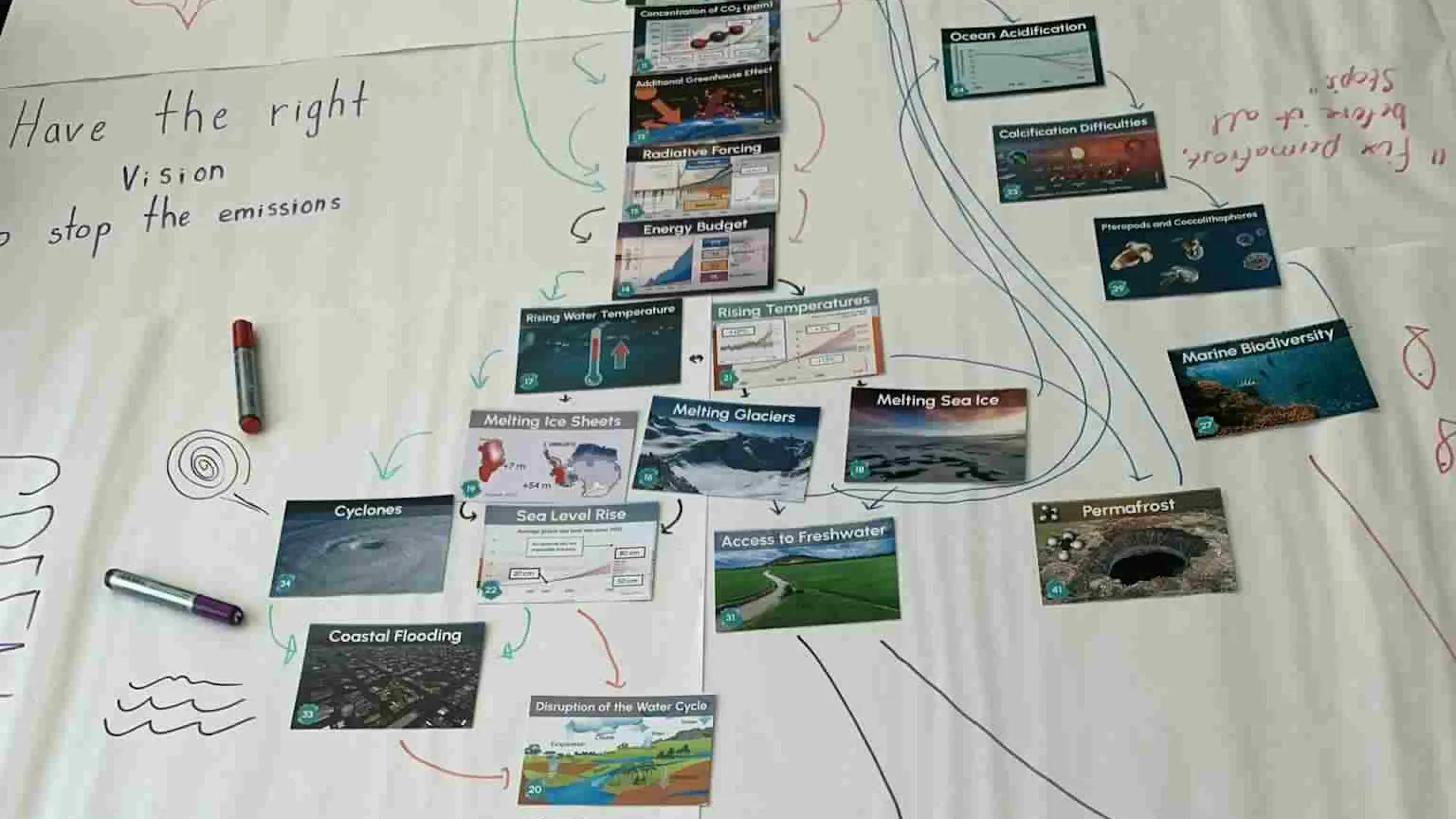
Day 1 began with an engaging Climate Fresk workshop, facilitated by expert educators from International Grammar School. This interactive experience led students through the science-based causes and effects of climate change, helping them piece together complex environmental processes through a set of interconnected cards. Working in small groups, students examined the links between aerosol emissions, ocean acidification, and radiative forces, uncovering how these contribute to widespread social, economic, and environmental impacts. Many students expressed surprise at how deeply they came to understand the global climate crisis. Several shared that the workshop left them feeling both frustrated by the current state of the world and motivated to take meaningful action. By the end of the session, students reflected on their personal impact as consumers and collaborated to develop school-based initiatives aimed at promoting sustainability and reducing waste.
 On Day 2, students turned their attention to the firsthand impacts of climate change in North Luzon, Philippines, by watching a film where farmers, particularly in Tuguegarao City, are facing increasingly severe and frequent typhoons. These disasters have devastated agricultural yields, leading to food scarcity and rising food prices for already struggling communities. The filmmakers, Sef Arcegono and Jerome Dulin—beneficiaries of the Jesuit Conference of Asia Pacific Creators of Hope Project— want to raise ecological awareness and collaborate with farmers, cooks, and local government units to encourage climate action. Their film, I Bannag Ta Pansí Batil Potun (The River in the Noodles), served as a powerful reminder of how climate change disproportionately affects the most vulnerable.
“The students had some really good discussions about the film and its impact on them and some of the ways we could respond,” observed Sue Martin, chair of the Australian Jesuit Schools Committee and Ecology Project Officer at the Australian Province of the Society of Jesus. “One really interesting response was to explore if we could develop an environment immersion for our schools,” she shared.
Later that morning, students participated in the Cardoner Walk, a contemplative journey beginning at the chapel and ending at the river. Walking in silence and reflection, students were encouraged to appreciate the natural beauty of their surroundings while considering humanity’s relationship with creation—and what is at stake if environmental harm continues. This quiet reflection helped students to recognise their potential as leaders to foster hope and stewardship for the planet.
In the afternoon, students connected online with Jesuit schools across Australia, including St Ignatius College Adelaide and Xavier College Melbourne. Together, they shared updates on sustainability initiatives in their schools and discussed collective goals for ecological action.
The conference concluded with a focus on COP30 and the Jesuits’ global call to ecological conversion and urgent climate action. Students also explored Ignatian Leadership, reflecting on what it means to be a servant leader, someone who leads through compassion, collaboration, and a commitment to justice.
Overall, the 2025 Ecology Conference, now in its third year, was an inspiring and thought-provoking experience. It challenged students to think critically, act courageously, and lead with empathy and conviction in Caring for Our Common Home.


