

“You are not forgotten,” said Aung San Suu Kyi. “Pass this message to those behind you and on to others.” Not permitted a microphone, the Burmese pro-democracy leader called out to the crowd of refugees and migrants at the border refugee encampment of Mae La in May on her first visit abroad in 24 years. Her clear message of hope quickly reached the hundreds of thousands of Myanmar citizens, who had waited decades in squalid jungle camps along the length of the 1,300 km Thai-Myanmar border. The over three million migrant workers in Thailand without documents, performing the meanest of jobs, also heard her.
Refugees all around the world wait for a sign that they are not forgotten.
World Refugee Da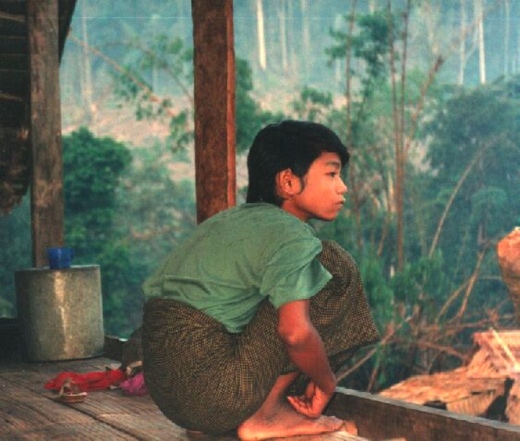 y on June 20 is an occasion to tell millions of exiles that they are not forgotten. It is an occasion to celebrate the courage and perseverance of thousands of refugees and undocumented people left homeless by circumstances beyond their control. Over 60 years ago, nations made a pact to protect and welcome exiles and stateless persons. The United Nations Refugee Convention of 1951 has since been signed by 145 nations including Cambodia, Philippines, Papua New Guinea, Australia and New Zealand. The Philippines is exemplary: acknowledged refugees readily find a haven there. However, key states in Asia Pacific have not signed this agreement, and some of those that have flout its commitments. Australia, despite being one of the earliest proponents of the Convention that commits it to welcome asylum seekers, vigorously attempts to deter them.
It is important to have consistent determination procedures for refugee status and to work towards securing durable solutions for refugees. This was acknowledged by the Bali agreement of 2011, which has been signed by key states in Asia Pacific.
Aung San Suu Kyi’s words echo the sentiments of Fr Pedro Arrupe SJ, who insisted on the creation of the Jesuit Refugee Service 32 years ago. Struck and shocked by the plight of thousands of boat people and refugees in the seventies, Fr Arrupe wrote to the Society on November 14, 1980, “This situation constitutes a challenge we cannot ignore if we are to remain faithful to St Ignatius’ criteria for our apostolic work.” JRS is today a signature supranational work of the Jesuits, accompanying refugees and forcibly displaced people in over 50 countries around the world.
Fr Pierre Ceyrac was one of the first Jesuits sent to JRS in Asia. He came to Thailand in 1980 in response to the call of Fr Arrupe and stayed with the Cambodian refugees caught at the Thai-Cambodian border until their return home in 1993. Fr Pierre died in Chennai, India, on May 30, at the age of 98.
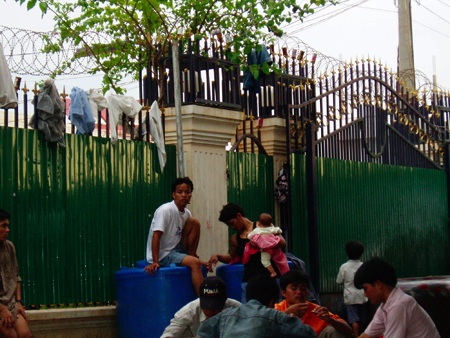 In Asia Pacific countless people are displaced because of conflicts, poverty, inequality, poor governance, and by disasters for which often the preparations have been totally inadequate. Refugees and other migrants often use the same routes, use the same ‘agents’ or smugglers, and leave behind the same oppressive human rights situations. All are vulnerable. Given the differing conditions in each country, JRS has to work creatively, often using different tactics on the ground. Yet all the while it follows the consistent strategy to accompany, serve and defend the rights of the forcibly displaced persons.
This month a new Regional Director for Asia Pacific for Jesuit Refugee Service (JRS) takes office in Bangkok. Fr Bambang Sipayung SJ from Indonesia replaces Fr Bernard Arputhasamy SJ from Malaysia who has held the post for seven years. Welcome Bambang. Thank you and well done, Bernard.
Fr Bambang has much to do as he heads JRS in Asia Pacific. The plight of hundreds of thousands of people from Vietnam, Cambodia and Laos fleeing the IndoChina conflict prompted Fr Arrupe to launch JRS. Over 30 years later, the new boat people are the Rohingya, escaping ethnic violence in Myanmar, and frequently pushed back from Bangladesh, Thailand and Malaysia. In a similar situation are the Kachin and Karen, many of whom cross by land into China or Thailand to escape violence.
Their plight is exacerbated by the attitude of several neighbouring countries that are less than welcoming to refugees. Malaysia, for example, is inhospitable to refugees, detaining them for long periods, yet the country relies heavily on cheap migrant labour for construction, fishing and factory jobs.
From the beginning to the end of the Bible we learn that how we treat the widow, the orphan and the stranger is a test of the authenticity of our faith. Refugees are “the stranger” whom Christ calls us to defend (Matthew 25:35). Jesus says how we treat them is how we treat him. Welcoming and accompanying the refugees, we come to know them as friends. We believe that rejection of the strangers among us breaks God’s heart. This calls us to action.
Mark Raper SJ
June 20, 2012
Resources for prayer services, for information and for community activities can be found at the JRS websites www.jrs.net, www.jrs.org.au and www.jrsap.org.


