

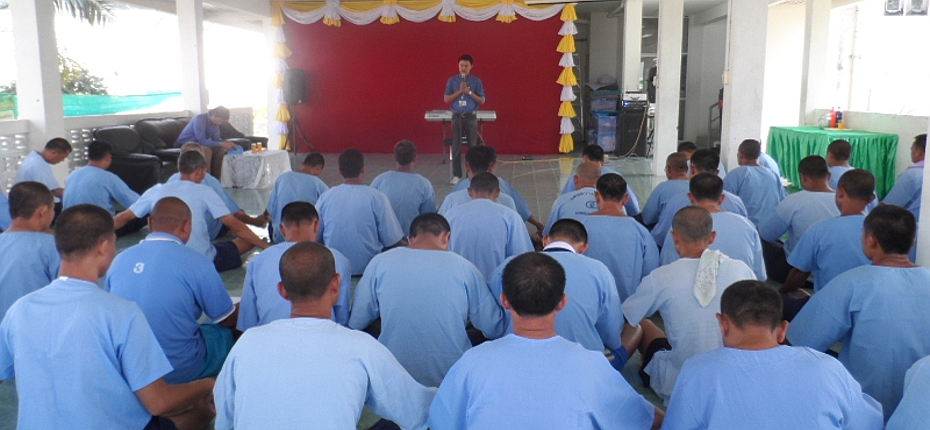
 For 25 years, the Jesuit prison ministry in Thailand has been accompanying foreign prisoners primarily through providing counselling and companionship. Today, the programme serves about 1,200 prisoners spread across in 10 prisons in Bangkok and other provinces, and two prison hospitals.
This year, the team encountered a number of challenges.
 Two big prisons, Bangkwang and Klong Prem, changed their regulations for prison visits. In Bangkwang, each team member was allowed to visit only one prisoner a day instead of the four they could visit before. This greatly reduced the number of inmates they would visit each day from 20 to 28 to only five to seven.
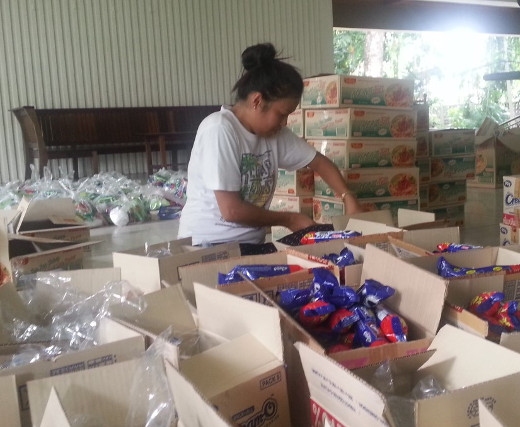
They were also told they could no longer bring the prisoners basic necessities unless these were bought from the prison shop, which was closed for some time. When it finally opened, they were allowed to buy items only for the prisoners they were visiting. They also had a hard time finding the prisoners they wanted to visit because the authorities kept moving the prisoners around.
“One prisoner told us that he had been moved eight times already this year,” related Vilaiwan (Kep) Phokthavi, Director of Jesuit Foundation – Prison Ministry Thailand. “One prisoner wrote us that he had no more bed because it was confiscated.”
In Klong Prem, the team was required to re-submit documents to prove that they are a genuine charitable organisation. As a result of this, visits ceased in February but things were ironed out in April. The team used this time to review how efforts in Klong Prem Prison can be streamlined and how to make up for lost visits to prisoners in Bangkwang.
 At Klong Pai prison, the requirements became so bad that visits have stopped altogether. “We had so much trouble with the authorities that too many times we had to cancel our trip. And prisoners change; we don’t really know our prisoners there now,” Kep lamented.
On a positive note, visits to Ayutthaya Prison have resumed since renovation works were completed, and the team is also visiting prisoners in Chiangmai and women prisons in Bangkok, Nakornrachasima, Rachaburi, Ayutthaya and Khao Bin.
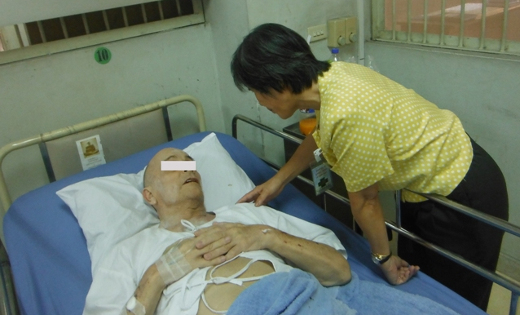
The group donated 300 pairs of eyeglasses for long-sighted patients and cleaning materials for the medical ward in the Bangkwang Prison Hospital. Kep shared, “Many of the patients remembered our team very well, especially those who are paralyzed. They were very happy to see us again.” The team also visits prisoners in the prison hospital in Klong Prem monthly.
The team also explored opportunities to network with other organisations working for prisoners in Thailand. They partnered with the Legion of Mary of Chiangmai Church to visit women prisons in Chiangmai, they opened their work to students who volunteered to become pen pals with the prisoners, and they shared about their work with a Catholic student group. “We feel grateful for the opportunity to work for prisoners because we have learned a lot from being friends with them,” said Kep. “We have changed our attitude toward prisoners. Their lives help us to understand human beings better”.
Related stories:
Reaching out to families of international prisoners
Prison Ministry perseveres as prisons flood


