

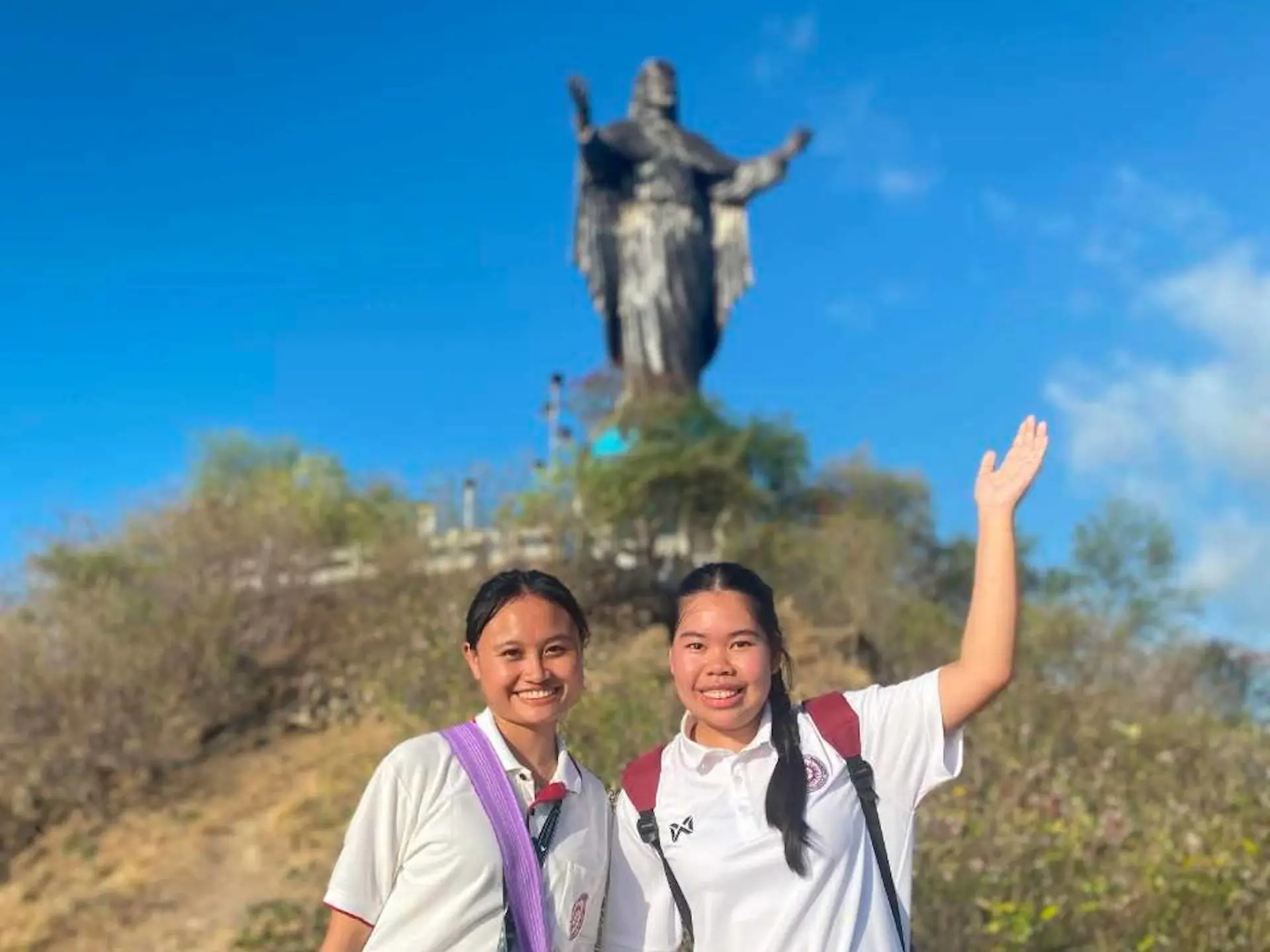
Patipha Rakchongcharoen and Chiratchaya Chindatham with the Cristo Rei statue in the background in Dili
The 16th Service Learning Program (SLP) of the Association of Jesuit Colleges and Universities in Asia Pacific (AJCU-AP) took place in Timor-Leste from 2 to 16 August. Hosted by Instituto São João de Brito, the programme centred on the theme of peace and reconciliation, in particular, on the post-conflict experience of Timor-Leste.
SLP provides Jesuit university students an opportunity to apply the Ignatian Pedagogy in their everyday life through community service, cultural exchange, and reflective learning.
Below are some reflections by SLP participants from Saengtham College, Xavier Campus (Xavier Learning Community) in Chiang Rai, Thailand.
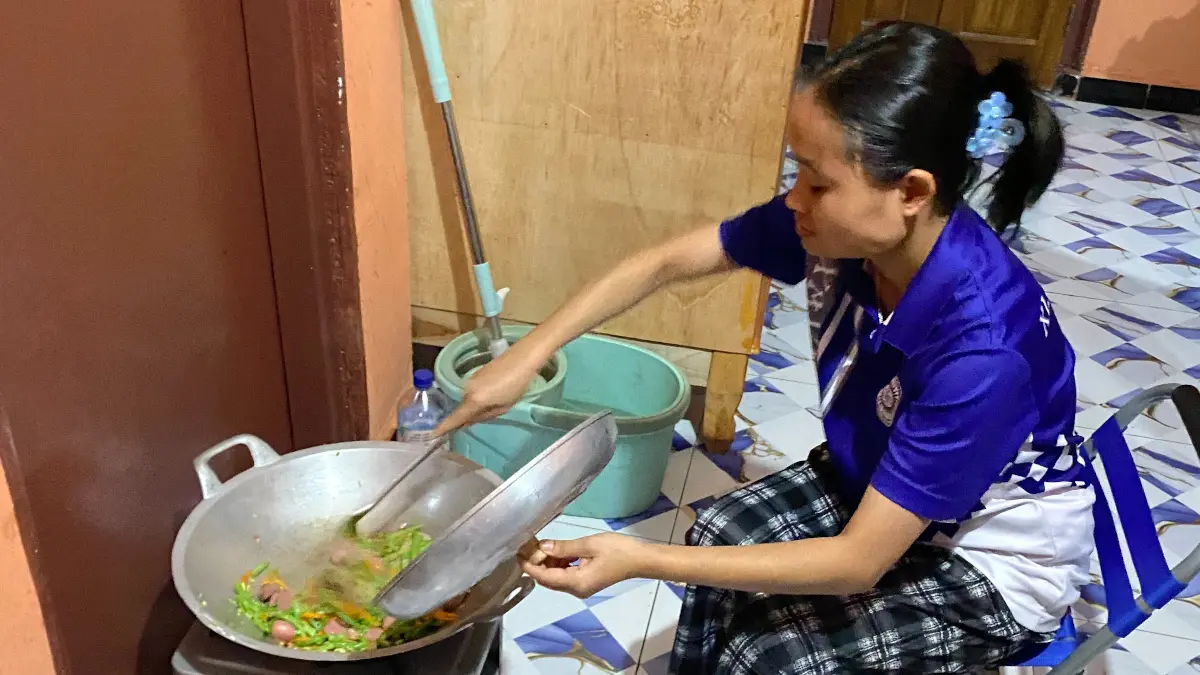
The story of my host was especially meaningful to me. She told me that during the conflict, she was a Portuguese language teacher. Her house was destroyed by soldiers three times. She also lost her first son in the forest because there was not enough food to survive. Despite these painful experiences, she decided to leave her family and join Fretilin because she wanted to fight for her country’s peace and independence, even though her husband did not agree with her decision. She held on to the belief and hope that if her country became independent, she would be able to return to her husband and children again. She faced many difficulties. She was arrested, abused, and subjected to violence, but she continued to fight and eventually managed to escape.
What impressed me most was that she had a clear and meaningful purpose. This purpose gave her the strength not to give up, even when her life was filled with difficulties. She also understood the importance of education. While living in the forest, she taught Portuguese to the people there so that they could learn to read and write. They had to use charcoal as a writing tool. As a young person, I sometimes take education for granted because I have the opportunity to study every day. However, hearing how my host taught people to read and write under extremely difficult circumstances made me realize that education is not only about getting good grades or finding a good job. Education can give people opportunities, confidence, and a way to build a better future.
My host recorded the events and situations she experienced throughout the conflict so her stories could become evidence and be passed on to future generations. Her story changed my understanding of the word “strength”. Before, I thought that being strong meant being able to face problems without showing weakness. However, through her story, I learnt that strength can also mean continuing to move forward even when we are afraid, in pain, or exhausted. Her life showed me the power of determination, hope, and having a meaningful purpose in life.
Patipha Rakchongcharoen
4thyear Bachelor of Arts in English for Education, Religion, and Culture
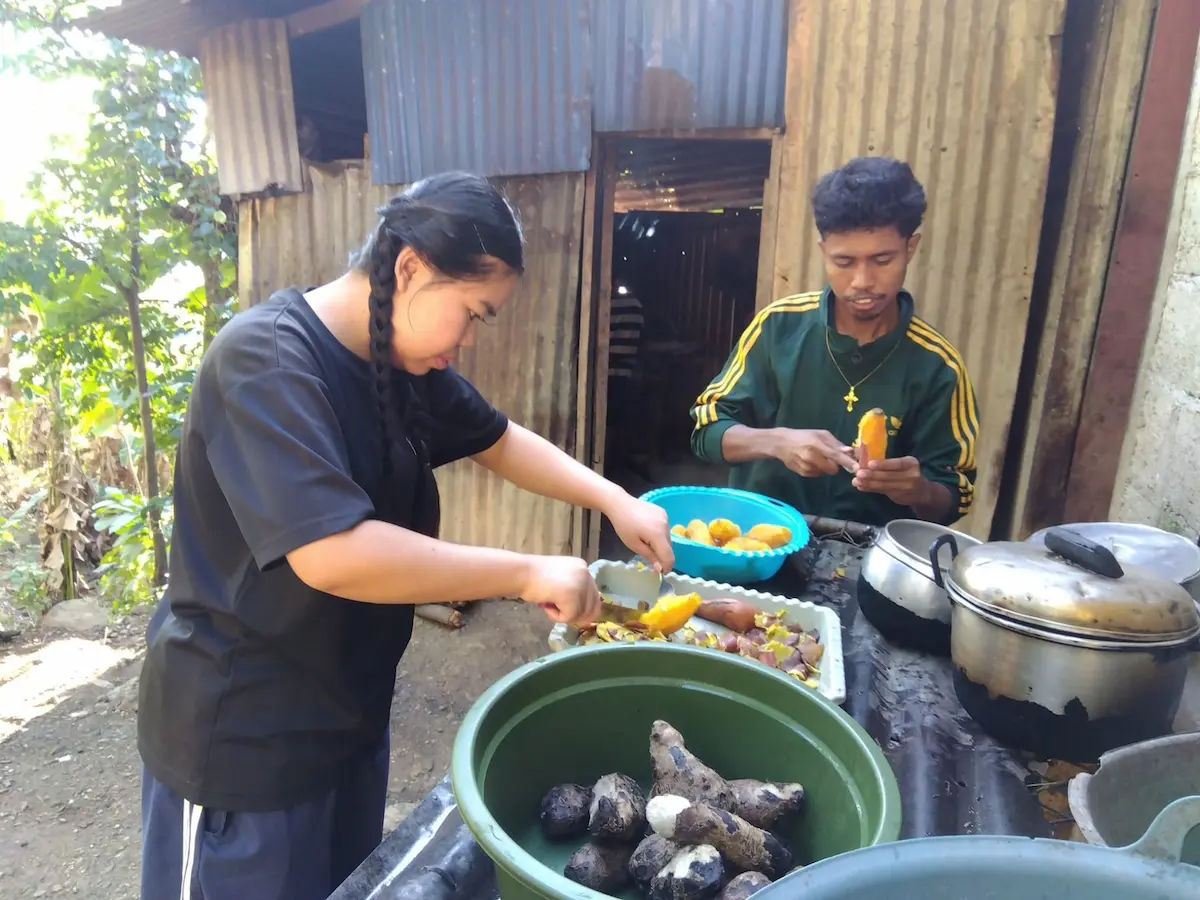 As an introverted student with poor English skills, what brought me to SLP was the desire to overcome my fears, the need to see the wider world for inspiration in my studies and life, and the opportunity to gain new experiences that I could apply to my daily life.
Among the many experiences I had, one of the most memorable was participating in activities with people who were more skilled than me. Instead of experiencing bullying or disrespect, I encountered people who were always ready to help. Whenever I did not understand something or was not comfortable with something, they were willing to support me and explain things in simple terms. This experience helped me realize that learning does not have to be frightening when people are willing to understand and support one another. It also taught me that I should not be afraid of not knowing everything because there will always be people who are willing to guide and help me learn.
Another meaningful experience was visiting important historical and religious sites and the actual locations where significant events took place. Visiting the Museum of Resistance (Museo da Resistência) and CAVR/Chega encouraged me to reflect through the accounts of the speakers and the stories of the people who experienced the past. Watching documentaries and visiting actual locations such as Motael Church, Jardim 12 de Novembro, and Santa Cruz Cemetery made the historical memories of Timor-Leste’s struggle clearer and more moving. I realised that the peace we experience today was not easily achieved but came from the sacrifices and perseverance of the people.
Seeing Cristo Rei with outstretched arms toward the vast sea reflected unconditional love and compassion. For me, this place is not only religiously significant but also a symbol of forgiveness and healing. I felt immense respect for the faith of the people and for the sculptor who created such a meaningful symbol.
My SLP experience gave me courage, understanding, friendship, and a deeper appreciation of what it means to live with and for others.
Chiratchaya Chindatham
4th year Bachelor of Arts in English for Education, Religion, and Culture
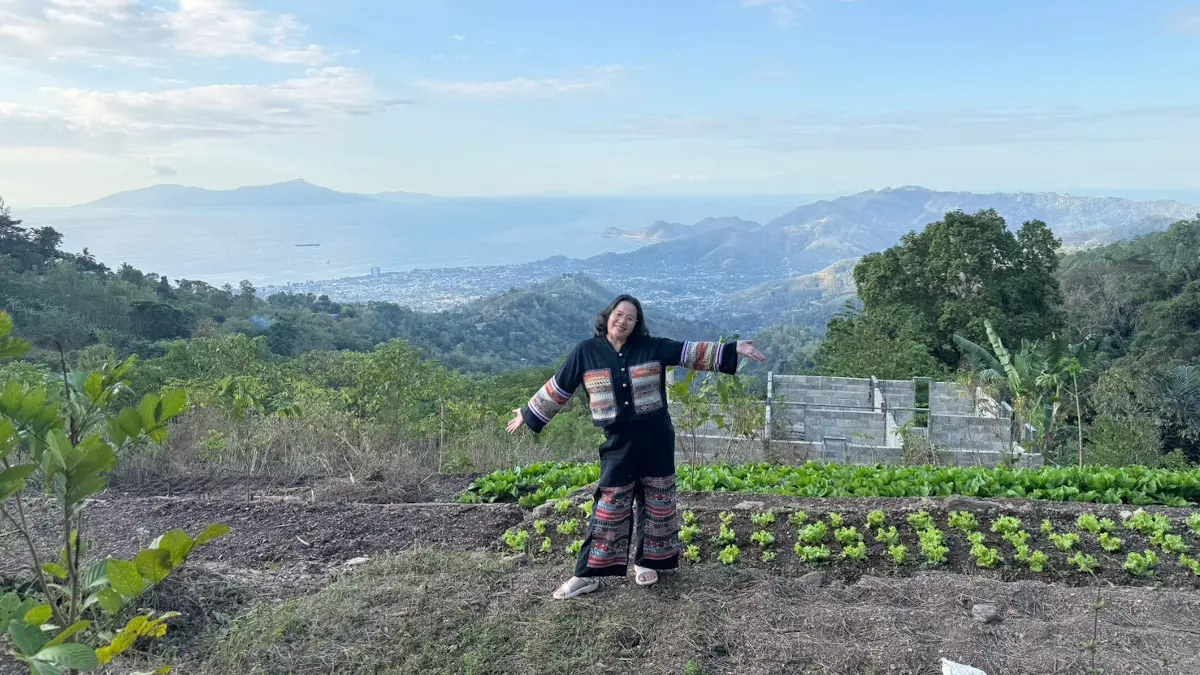 What moved me most was meeting ordinary people who had lived through extraordinary circumstances. Many had lost family members, experienced violence, and witnessed suffering with their own eyes. Yet what I encountered was not hatred. Instead, I saw a profound sense of peace in their eyes. I began to understand that forgiveness does not mean forgetting the past, and reconciliation does not mean pretending that suffering never happened. Rather, it means acknowledging what happened and choosing not to let the past determine our future. This experience also taught me that the richness of life is measured not by how much we possess but by how much we are willing to share with others—even when we ourselves have very little.
I arrived in Timor-Leste a visitor, but as the time came to leave, I realised that this country had somehow become a part of me. The hardest part of this journey was not travelling thousands of kilometres, nor crossing mountains and unfamiliar roads. It was saying goodbye to people I had known for only a short time, yet who had already left such a deep imprint on my heart. Two weeks may be only a brief period, but for me, they were long enough to change the way I see certain things in life and for me to discover a deeper part of myself.
Jarmriang Prombutra
Lecturer / Deputy Director of Administrative Office


