

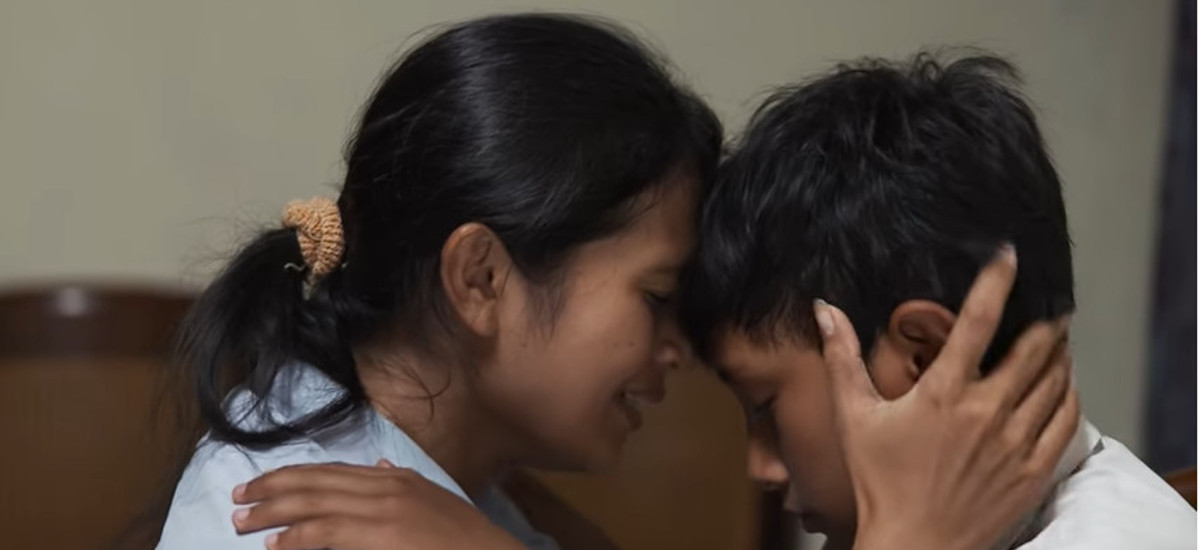
 Puskat Audio Visual Studio’s short film entitled, “Asa Itu Ada” (There is always hope) was awarded first place in the TV programme category at the 33rd Niepokalanow International Catholic Film and Multimedia Festival in Poland in May.
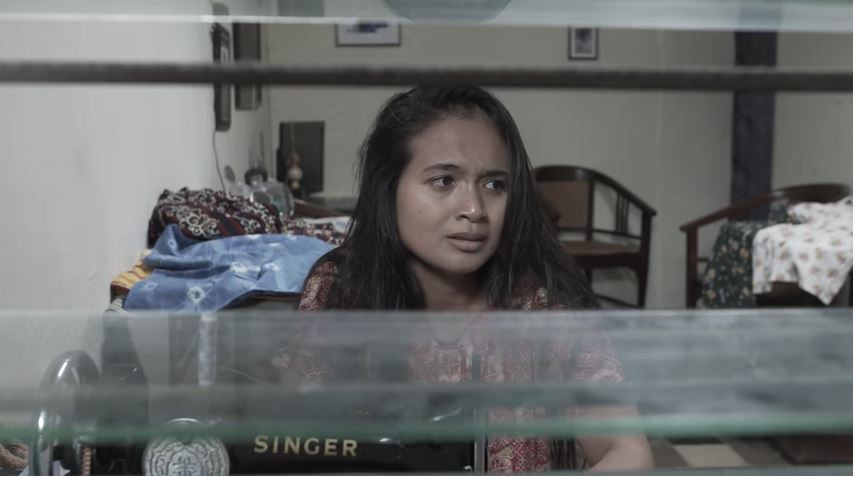
The film tells the story of a young widow whose son was kidnapped by human traffickers for his organs. It was produced to mark the 51st World Social Communication Day last year, which had for its theme “Communicating hope and faith”. Puskat, which is an apostolate of the Indonesian Jesuit Province, produced the film in cooperation with the Catholic Bishop’s Conference of Indonesia. The script was written by Puskat Director Fr Ispuroyanto Iswarahadi SJ.
The Niepokalanow festival honours films that serve the promotion of universal values and attitudes that are in accordance with the Bible. The award ceremony took place on May 27 in Warsaw.
 Puskat was established by Fr Ruedi Hofmann SJ in 1970 to help students studying catechetics prepare material to teach the Catholic faith. It is now being developed to be a centre for spirituality, media and culture not only for catechists but for people from all religious denominations.
This is not Puskat’s first international award. One of its earliest accolades was in 1992, a couple of years after Puskat began working in film and television when its documentary, “Learning from Borobudur”, won a prestigious prize at the Prix Futura Berlin Film Festival.
“Indonesia is rich in religions and cultures, and our state philosophy, Pancasila (Five Principles), includes the belief in one God,” said Puskat Assistant Director Fr Murti Hadi Wijayanto SJ.
Since 1995, Puskat has produced a 30-minute Catholic programme that is broadcast fortnightly on INDOSIAR, a national television station. It was also a pioneer in producing interreligious programmes. Before the 1998 reformation movement, there was no freedom for people to realise and celebrate their religious diversity. Puskat received negative feedback from the television station, the government, radicalists and even Catholics, yet, the programmes opened the eyes of people to the need for dialogue among different religions and beliefs.
“There is a growing awareness in the Church in Indonesia of the need for inclusive evangelisation and contextual theology,” said Fr Murti.
In 2012, Puskat produced its first theatrical film on the life of Mgr Albertus Soegijapranata, a Jesuit and the first Javanese bishop. Entitled “Soegija”, the film traces the role of the Catholic Church during World War II in establishing a new Indonesian nation. It won Best Movie at the Niepokalanow festival in 2013 and was very popular in Indonesia, not only among Catholics but also among politicians and Muslims. It is still used today for discussions in schools and other communities in Indonesia and abroad.
Puskat’s second film, “Mengejar Embun Sampai ke Eropa” (Searching the Morning Dew to Europe), made a statement against corruption and violence in Indonesian education system. It tells the story of a Muslim professor from a state university in a small city in Sulawesi who is committed to being honest and working hard.
Watch “Asa Itu Ada” (There is always hope) with English subtitles


